









1-Methoxypentane, also known as methyl pentyl ether, is a low-boiling aliphatic ether classified as a chemical used primarily as a solvent or auxiliary component in organic synthesis and process chemistry applications. With a simple ether functional group and defined molecular structure (CAS 628-80-8), it is suitable for use in reaction media, extraction processes, or formulation systems where moderate polarity and volatility are required. Industrial availability includes competitive factory pricing, support for customized specifications, and complete documentation such as MSDS, TDS, COA, enabling stable bulk supply for standardized industrial use.
1-Methoxypentane CAS 628-80-8
- CAS: 628-80-8
- Synonyms: 1-Methoxypentane, Methyl pentyl ether, Pentyl methyl ether, n-Pentyl methyl ether
- Einecs: 211-076-1
- Molecular Formula: C₆H₁₄O
- Grade: Industrial grade 98%
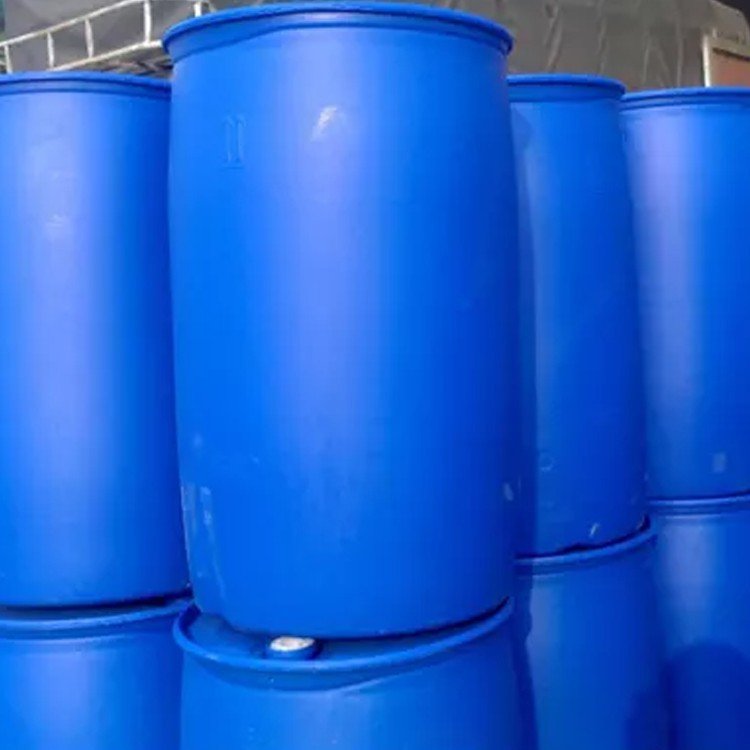
- Package: 200kg iron drum or 50kg plastic drum packaging
Product Description
Physicochemical properties
| Property | Description |
|---|---|
| CAS Number | 628-80-8 |
| Molecular Formula | C₆H₁₄O |
| Molecular Weight | 102.17 g/mol |
| IUPAC Name | 1-Methoxypentane |
| Other Names | Methyl amyl ether, Pentyl methyl ether, Amyl methyl ether, n-Pentyl methyl ether |
| Physical State | Liquid (assumed, typical for ether compounds) |
| Density | 0.755–0.762 g/cm³ (at 20℃) |
| Boiling Point | 98.8–99.4℃ (at 760 mmHg) |
| Melting Point | Approximately -105.8℃ (estimated) |
| Flash Point | 4.5℃ (low flash point, indicating flammability) |
| Refractive Index | 1.385–1.387 (at 20℃) |
| Solubility | Insoluble in water; soluble in organic solvents (e.g., alcohols, ethers, hydrocarbons) |
| Stability | Stable under normal conditions, but avoid contact with strong oxidizers, acids, or bases |
| Chemical Structure | Consists of a pentane chain (C₅H₁₁) with a methoxy group (-OCH₃) attached to the first carbon atom |
Application Areas
Solvent: Used as a solvent in organic synthesis, especially suitable for water sensitive reaction systems. Replacing some toxic solvents (such as chlorinated hydrocarbons) is in line with the trend of green chemistry.
Intermediate: Participate in the synthesis of other compounds, such as esters and ether derivatives.
Fuel additive: As a high octane component, it has the potential to be used as a gasoline additive
Other fields: Potential applications in industries such as spices, coatings, adhesives, etc
Storage conditions
Inert gas protection: It is recommended to store in an inert gas environment such as nitrogen or argon to avoid oxidation caused by contact with air.
Temperature control: The storage temperature should be maintained at a low temperature of 2-8 ° C, as high temperatures may cause decomposition or volatilization.
Sealed and dark: Use a sealed container (such as glass or corrosion-resistant plastic) and place it in a cool and dry place, avoiding direct sunlight
Isolate oxidants and acids: They should be placed separately from strong oxidants, halogens, etc. to prevent chemical reactions.
Safety precautions
– Highly flammable liquid and vapor; keep away from heat, sparks, and open flames.
– May cause mild skin and eye irritation; use protective gloves and goggles.
– Store in a cool, well-ventilated place, away from incompatible substances
FAQ - Technical & Supply Chain
-
Q:
Do 1-Methoxypentane and Methyl Pentyl Ether refer to the same substance?
A: Yes. These names describe the same molecular structure and correspond to a single CAS registration, indicating identical substance identity. -
Q:
Is 1-Methoxypentane mainly used as a solvent rather than a reactive intermediate?
A: It is primarily used as a solvent or auxiliary chemical in organic synthesis and processing, rather than as a highly reactive intermediate.
Documents and Product Support
For product review and sourcing evaluation, supporting documents can be coordinated according to the product type, inquiry stage, and order requirements.
- COA for batch-based quality reference
- TDS for key physical and chemical information
- SDS / MSDS for handling, storage, and safety reference
- Packing information for sample, trial, and bulk orders
- Technical communication based on application and specification requirements
Information to Confirm Before Quotation
Clear sourcing information helps reduce specification mismatch and allows a more accurate quotation before sample or bulk order discussion.
- Product name and CAS number
- Application or intended end use
- Required purity, grade, or specification
- Sample quantity, trial order, or bulk demand
- Preferred packing form or net weight
- Destination country or port
- Required documents or compliance expectations
Packaging, Storage, and Handling Notes
Packaging form, storage conditions, shelf life, and shipment arrangements should be confirmed according to the product characteristics, package size, and destination requirements.
Before order confirmation, buyers are advised to review the corresponding product documents and confirm whether any special storage, labeling, or handling requirements apply.
Sample, Bulk Order and Repeat Supply Support
Support can be arranged for sample discussion, bulk supply planning, packaging confirmation, and routine sourcing communication based on the actual product and order requirements.
For repeat-use formulations or long-term procurement plans, buyers may discuss specification consistency, packaging preferences, delivery expectations, and document coordination in advance.