
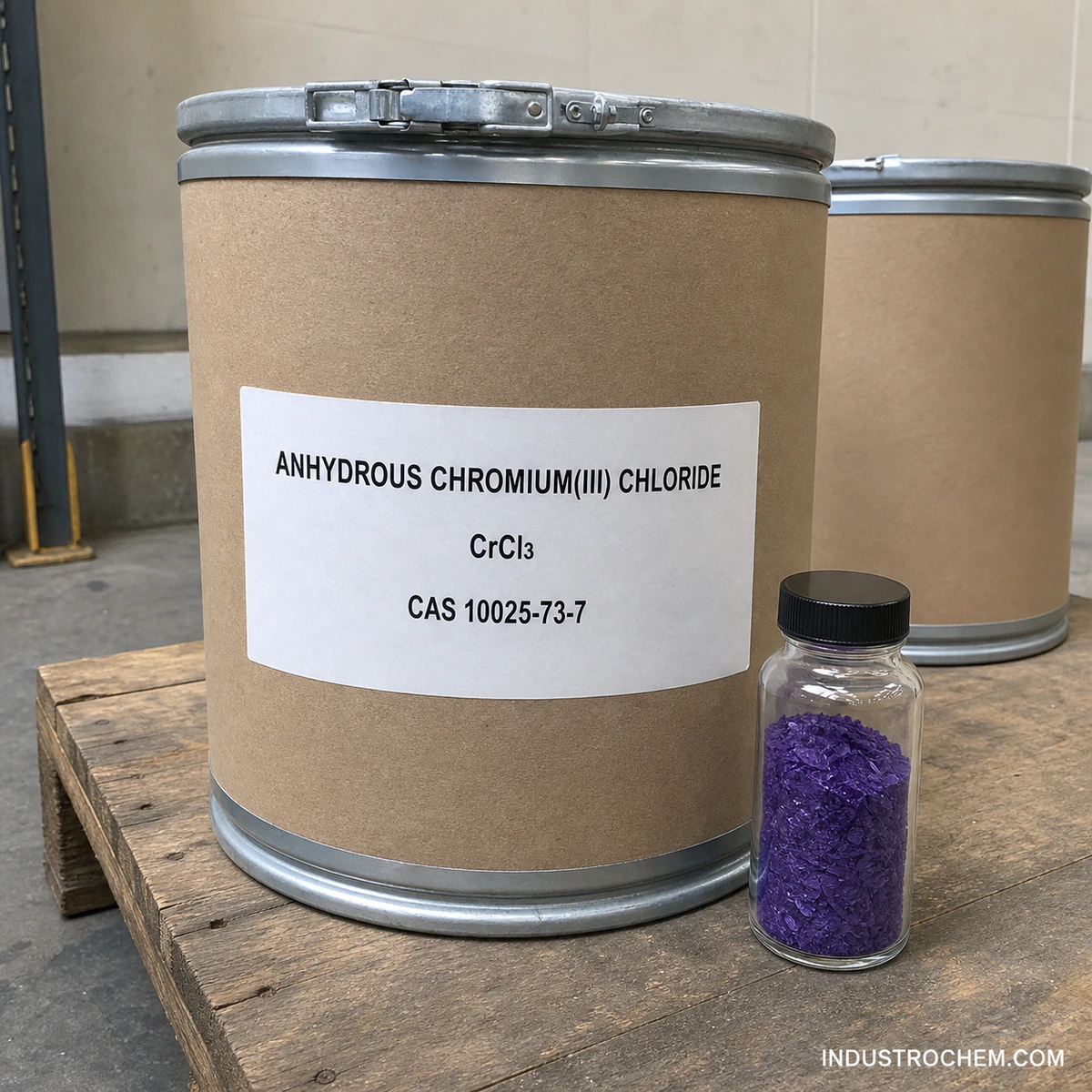
Anhydrous Chromium(III) Chloride, CAS 10025-73-7, is a violet to purple, moisture-sensitive chromium salt used in coordination chemistry and catalyst-precursor preparation. Also known as chromium trichloride or chromic chloride, it has the formula CrCl₃. Water content and assay basis are key to selecting a grade for a dry process.
Anhydrous Chromium(III) Chloride CAS 10025-73-7
- CAS: 10025-73-7
- Synonyms: Anhydrous chromium(III) chloride; Chromium trichloride; Chromic chloride; CrCl₃
- Einecs: 233-038-3
- Molecular Formula: CrCl₃
- Grade: Assay basis, water content and metal-impurity limits specified for the selected grade
- Package: Moisture-excluding, tightly sealed packaging; pack size agreed with quotation
Product Description
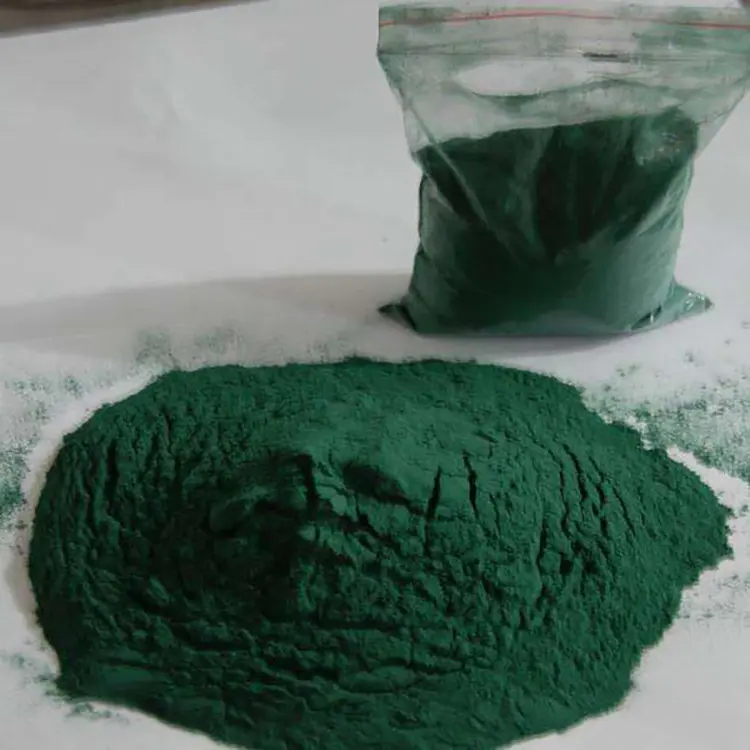
Identity and physical form. Anhydrous chromium(III) chloride, also called chromium trichloride or chromic chloride, is CrCl₃, with a molar mass of 158.36 g/mol and EC number 233-038-3. It is a violet to purple crystalline solid; commercial forms include powder and flakes. Typical reference values are a melting point of 1152°C and a crystal density of 2.87 g/cm³ at 25°C. These are reference properties, not batch specifications or bulk density.
Anhydrous versus hydrated material. Chromium(III) chloride hexahydrate, CAS 10060-12-5, has the formula CrCl₃·6H₂O. Its water content, formula mass and dissolution behaviour differ from those of anhydrous CrCl₃. The dry violet solid is not freely soluble in pure water; processes requiring dissolution depend on the actual form and activation conditions. A hydrated grade is not an equal-weight replacement for the anhydrous salt.
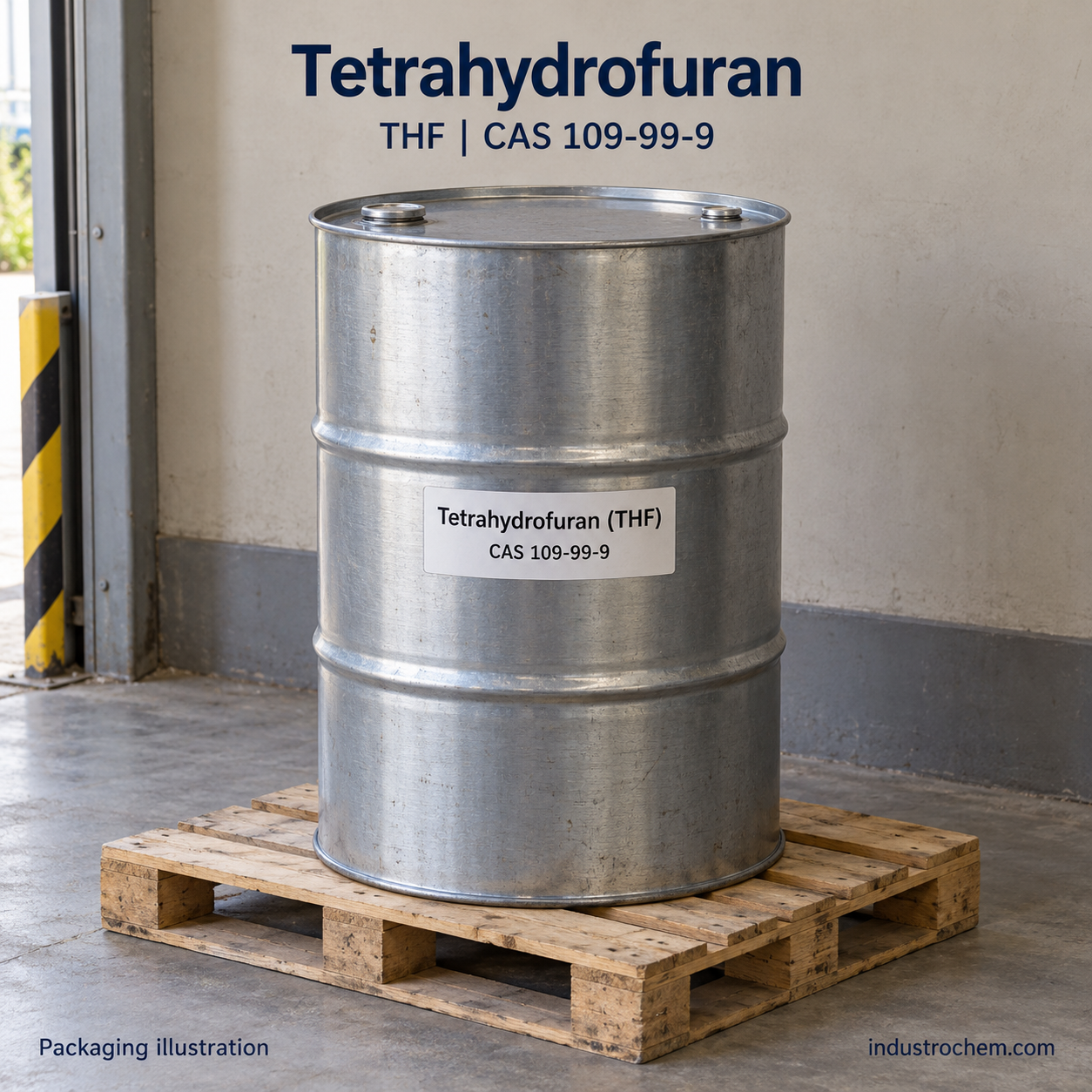
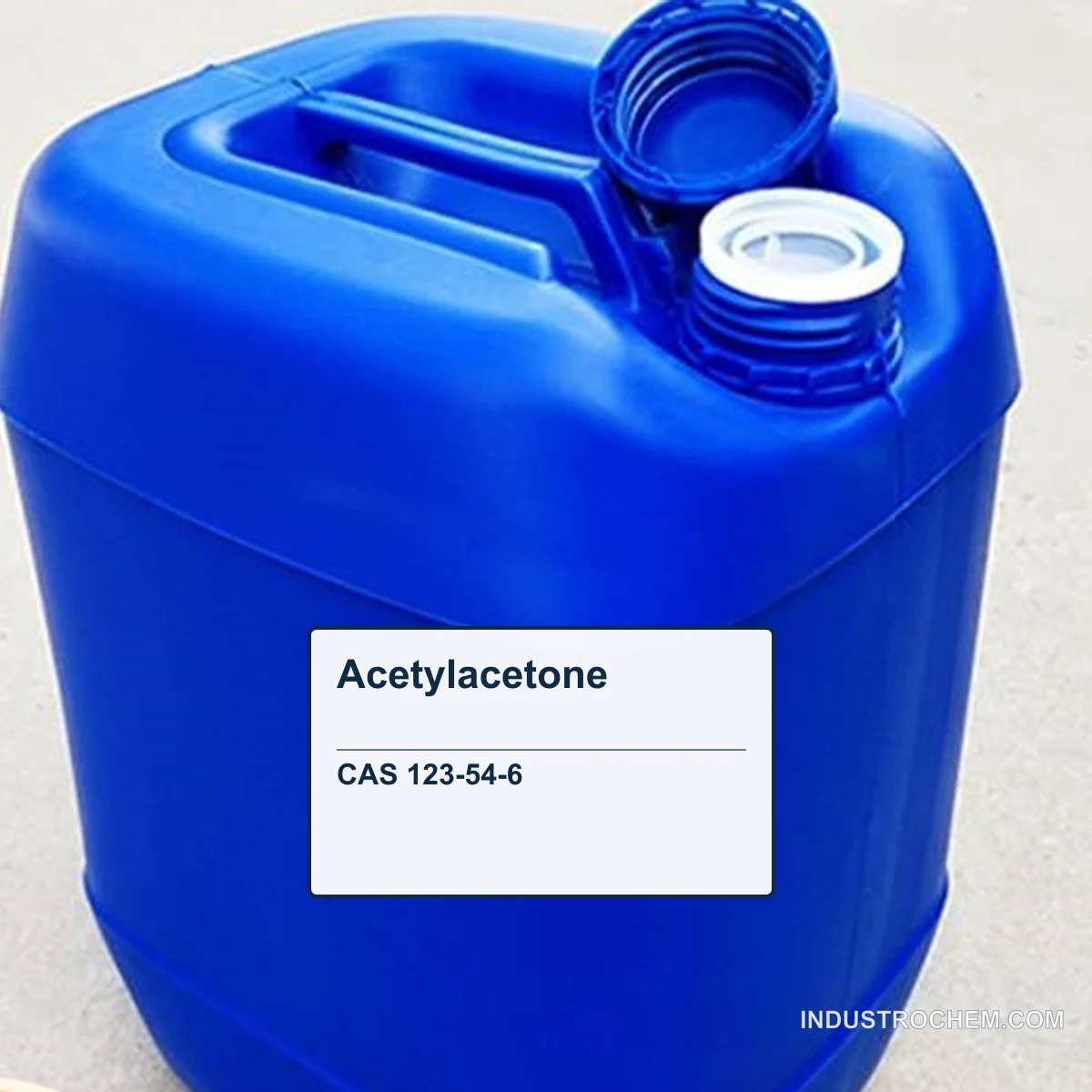
Process-related materials. Dry tetrahydrofuran (THF) is used in routes to chromium chloride–THF coordination precursors. Ethylenediamine and acetylacetone are ligands for other chromium(III) complexes; established routes can specify chromium chloride hexahydrate. Select the chromium form for the actual solvent and ligand system rather than treating these routes as interchangeable.
For aqueous chromium processes, chromium(III) sulfate provides a comparison with a different anion. Chloride or sulfate selection depends on the required bath chemistry, hydration state and concentration; the salts are not direct substitutes.
Quality and analytical basis. Relevant purchasing specifications include CrCl₃ assay, water content, metal impurities and particle form. CrCl₃ assay is different from elemental chromium content or purity on a trace-metals basis. Appropriate titration methods can measure assay, while ICP methods can assess chromium and selected metal impurities. A loss-on-drying result is not automatically a water-content result; its temperature and duration matter.
Documents and quotation. We can provide the Certificate of Analysis (COA), Technical Data Sheet (TDS), Safety Data Sheet (SDS) and applicable analytical information for the quoted grade. Send the required assay, water or impurity limits, intended process, quantity and destination for a quotation. Moisture-excluding, tightly sealed packaging protects the anhydrous material; pack size is agreed with the order.
FAQ - Technical & Supply Chain
-
Q:
Can anhydrous chromium(III) chloride and chromium(III) chloride hexahydrate be used interchangeably?
A: No. Anhydrous CrCl₃ (CAS 10025-73-7) and CrCl₃·6H₂O (CAS 10060-12-5) have different water contents, formula masses and dissolution behaviour. A process designed for one form needs a separate assessment before using the other; equal weights do not supply equal amounts of CrCl₃. -
Q:
Which specifications matter when purchasing anhydrous chromium(III) chloride?
A: Specify the CrCl₃ assay and calculation basis, water limit, relevant metal impurities and particle form for the intended process. The agreed specification and lot COA should identify the analytical methods. Elemental chromium results, trace-metals-basis purity and loss on drying must not be read as the same measure as CrCl₃ assay or water content.
Ordering & Documentation
Key information for document requests, quotations, and supply planning.
Documents
Tell us which documents your procurement team needs. Before an order, we will check whether the quoted source can provide them for the offered lot.
Quotation
Send the CAS number, grade, quantity, packing preference and destination.
Sample & Supply
Ask whether samples, trial quantities or repeat orders are possible. We will check each request against the sourced product and current offer.
Storage & Shipping
Product-specific conditions are confirmed before order.