








Chemical products
  • Brassylic Acid CAS 505-52-2
  • Brassylic Acid CAS 505-52-2

Brassylic Acid CAS 505-52-2

Brassylic acid is a high-purity crystalline solid and a straight-chain tridecanedioic acid derivative, functioning as a critical long-chain dicarboxylic acid intermediate in fine chemical manufacturing. This specialized 1,11-undecanedicarboxylic acid, often utilized as a tridecane-1,13-dioic acid precursor, plays a vital role in the synthesis of ethylene brassylate and other macrocyclic musks due to its stable carbon chain structure. As an essential n-tridecanedioic acid component, it is typically applied in the production of high-performance engineering plastics, specifically Nylon 1313, and specialty lubricants requiring high thermal stability and chemical resistance. We provide this organic intermediate with competitive factory pricing to facilitate large-scale synthesis, offering customized specifications regarding particle size and purity levels to meet stringent industrial standards. Each delivery is supported by comprehensive technical files, including MSDS, TDS, COA, and is prepared for bulk supply to meet the demands of the global fragrance and polymer markets.

  • CAS: 505-52-2
  • Synonyms: Tridecanedioic acid, 1,11-Undecanedicarboxylic acid, Tridecane-1,13-dioic acid, n-Tridecanedioic acid
  • Einecs: 208-011-4
  • Molecular Formula: C13H24O4
  • Grade: Industrial Grade / Fragrance Grade
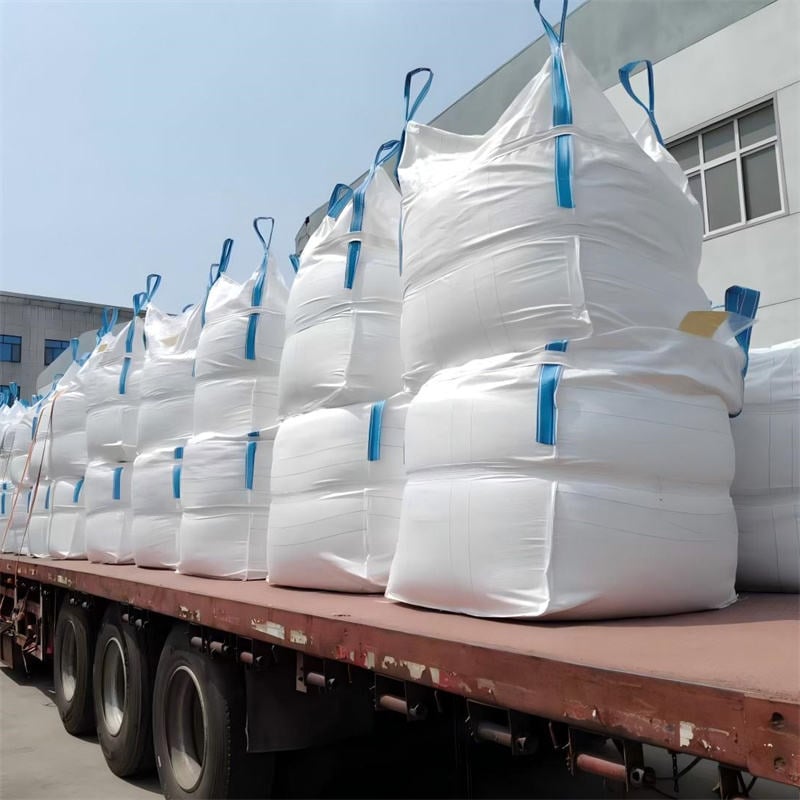
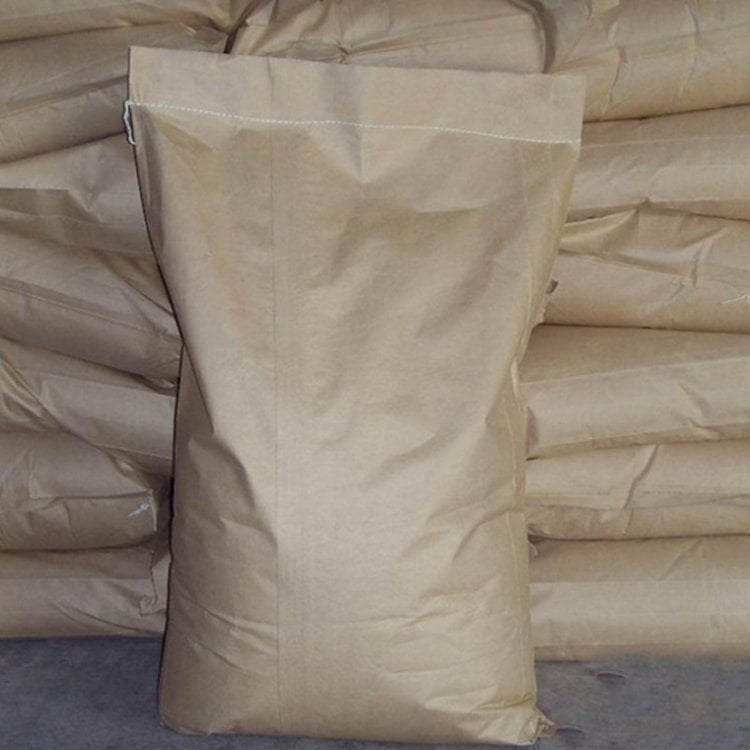
  • Package: 25kg/drum or customized fiber drums
Request a quote
Share:

Product Description

Technical Data (Physicochemical Properties)

PropertySpecification (Industrial Standard)
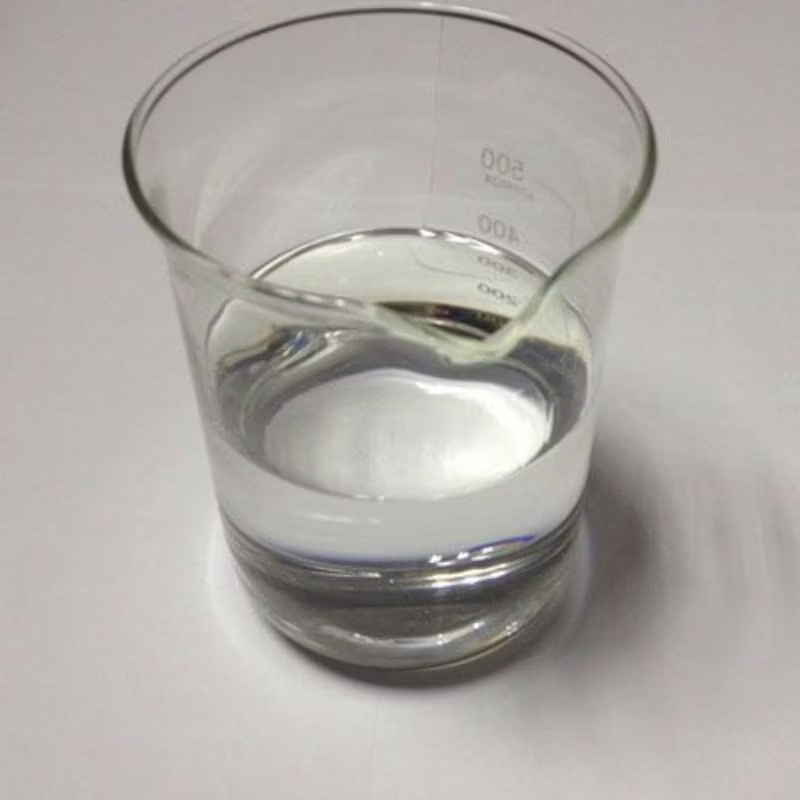
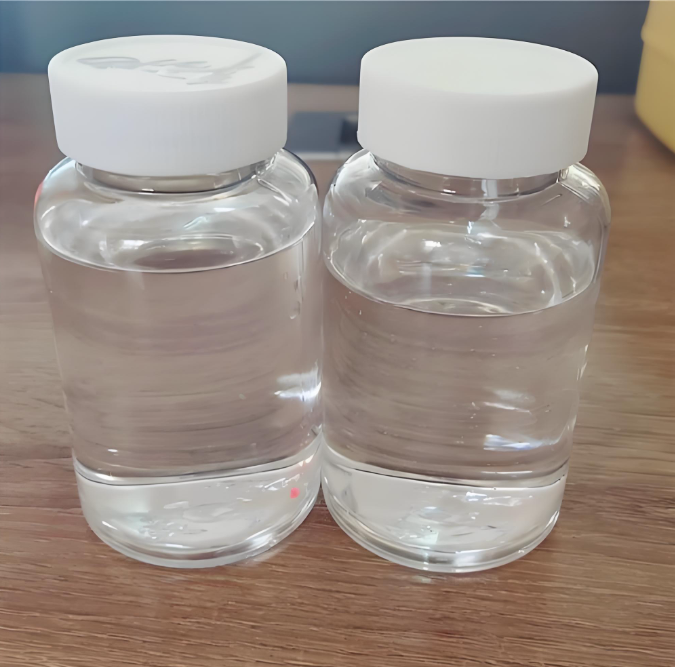
AppearanceClear, colorless liquid
Purity (GC)≥ 99.5%
Moisture≤ 0.1%
Melting Point-16.0 ℃
Boiling Point195.0 ℃
Acid Value (mg KOH/g)≤ 0.1
Color (Hazen)≤ 10

Applications

  • Fragrance Industry: Primary raw material for the synthesis of Ethylene Brassylate (Musk T).
  • Polymer Production: Used as a monomer for Nylon 1313 and other high-grade polyamides.
  • Lubricants & Plasticizers: Employed in the formulation of low-temperature resistant lubricants and high-end adhesives.

For polyester and specialty polymer work using a different long-chain dicarboxylic acid, Octadecenedioic Acid is a separate monomer.

Storage & Safety

  • Storage: Store in a cool, dry, and well-ventilated area. Keep the container tightly closed and away from strong oxidizing agents. Avoid exposure to excessive heat or direct sunlight to maintain chemical stability.
  • Safety Handling: Wear standard PPE including dust masks, safety goggles, and protective gloves. Avoid direct skin contact and inhalation of dust. In case of contact, rinse thoroughly with water.

Quality Assurance

Our Brassylic Acid is produced via high-vacuum distillation and recrystallization processes to ensure superior purity and color stability. We utilize GC (Gas Chromatography) to monitor the dicarboxylic acid chain distribution and titration methods to verify the acid value. Adhering to ISO 9001 quality management systems, our facility ensures that every batch meets the low-impurity requirements necessary for delicate fragrance synthesis and high-performance polymer applications.

FAQ - Technical & Supply Chain

  • Q:

    What is Brassylic Acid CAS 505-52-2?

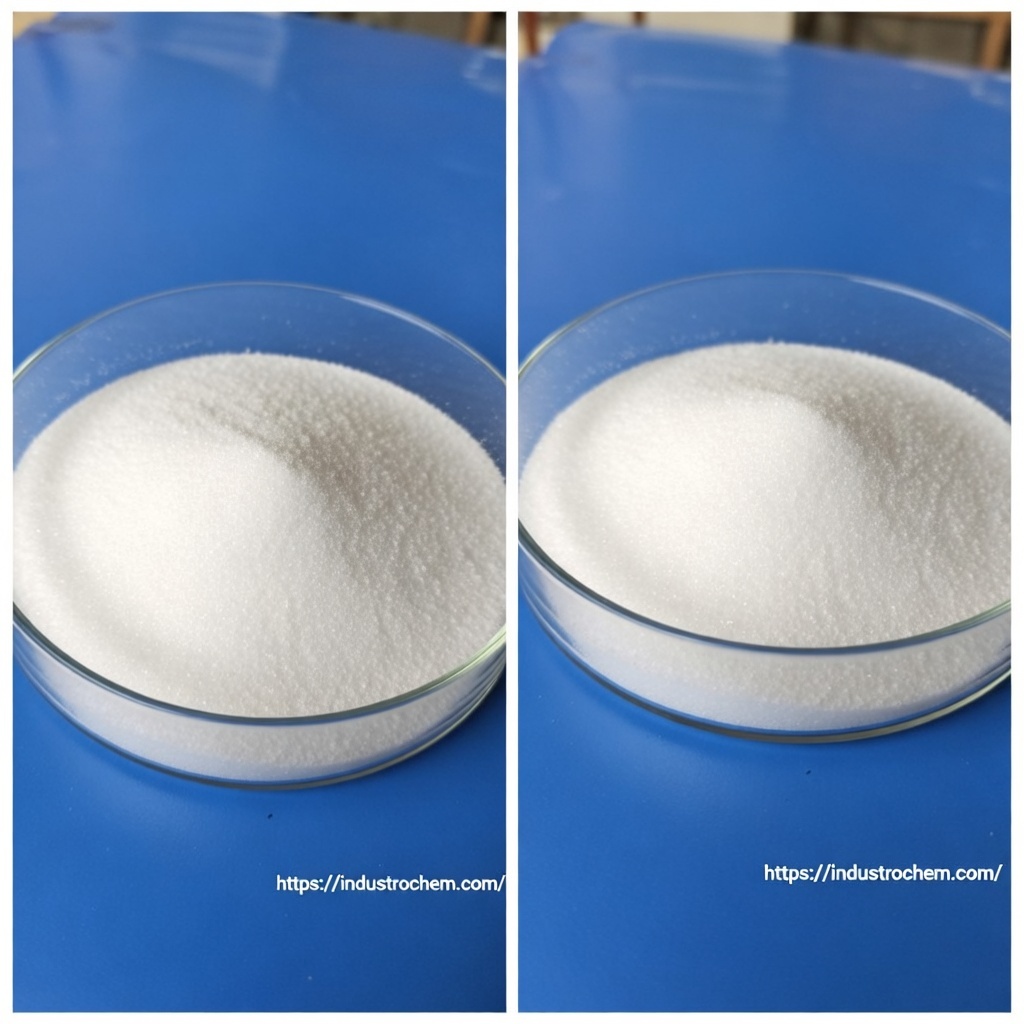
    A: Brassylic acid is tridecanedioic acid, a linear C13 dicarboxylic acid with the molecular formula C13H24O4 and molecular weight about 244.33 g/mol. It is supplied as a white crystalline solid or powder and is also known as 1,11-undecanedicarboxylic acid or tridecane-1,13-dioic acid.
  • Q:

    Why is Brassylic Acid used to make macrocyclic musks such as ethylene brassylate?

    A: Its linear C13 dicarboxylic acid structure is a natural building block for cyclization into ethylene brassylate and related macrocyclic musk molecules. The chain length and terminal carboxyl groups help form the large ring that gives the target musk its characteristic odor and stability.
  • Q:

    How does the C13 chain affect polyamide, plasticizer, and lubricant performance?

    A: The long odd-numbered aliphatic chain improves flexibility, low-temperature behavior, and water resistance compared with shorter or more rigid diacid monomers. This makes brassylic acid useful for specialty polyamides such as nylon 613 or nylon 1313, low-temperature plasticizers, and diester lubricants.
  • Q:

    What personal-care and fine-chemical applications use Brassylic Acid?

    A: Beyond musk and polymer chemistry, brassylic acid derivatives are used as emollients and conditioning ingredients in creams, lotions, shampoos, and body washes. The diacid can also be converted into surfactants, corrosion inhibitors, hot-melt adhesive components, and specialty ester intermediates.
  • Q:

    What physical form, melting range, and storage conditions are typical?

    A: The commercial product is a white crystalline solid with a melting range commonly around 112-114 degrees C. It should be kept in tightly closed containers in a cool, dry, ventilated area away from strong oxidizers, excessive heat, moisture, and direct sunlight.

Ordering & Documentation

Key information for document requests, quotations, and supply planning.

Documents

COA, TDS, SDS/MSDS and packing details are available on request.

Quotation

Send the CAS number, grade, quantity, packing preference and destination.

Sample & Supply

Support is available for samples, trial orders, bulk and repeat supply.

Storage & Shipping

Product-specific conditions are confirmed before order.

Contact Form

Use our contact form to send us your questions, suggestions or comments. We will respond as soon as possible.