









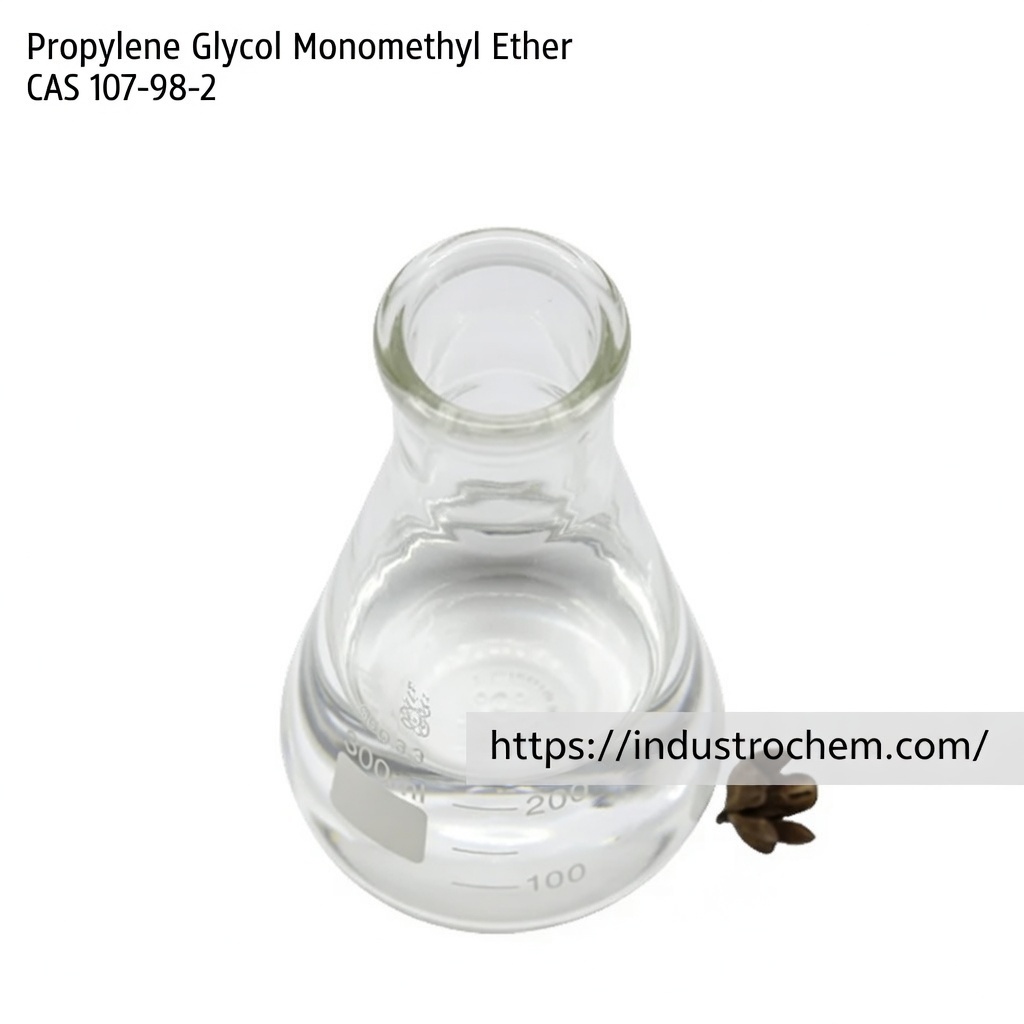
Propylene glycol monomethyl ether (PGME), also called 1-methoxy-2-propanol, CAS 107-98-2, is a colorless, fast-evaporating glycol-ether solvent supplied for coatings, inks, and cleaning applications. Confirm the required grade and specification, then request a quotation with COA/TDS/SDS for bulk supply.
Propylene Glycol Monomethyl Ether (PGME) CAS 107-98-2
- CAS: 107-98-2
- Synonyms: PGME, 1-Methoxy-2-propanol, Propylene glycol methyl ether, PM solvent, Methoxypropanol
- Einecs: 203-539-1
- Molecular Formula: C4H10O2
- Grade: Industrial Grade
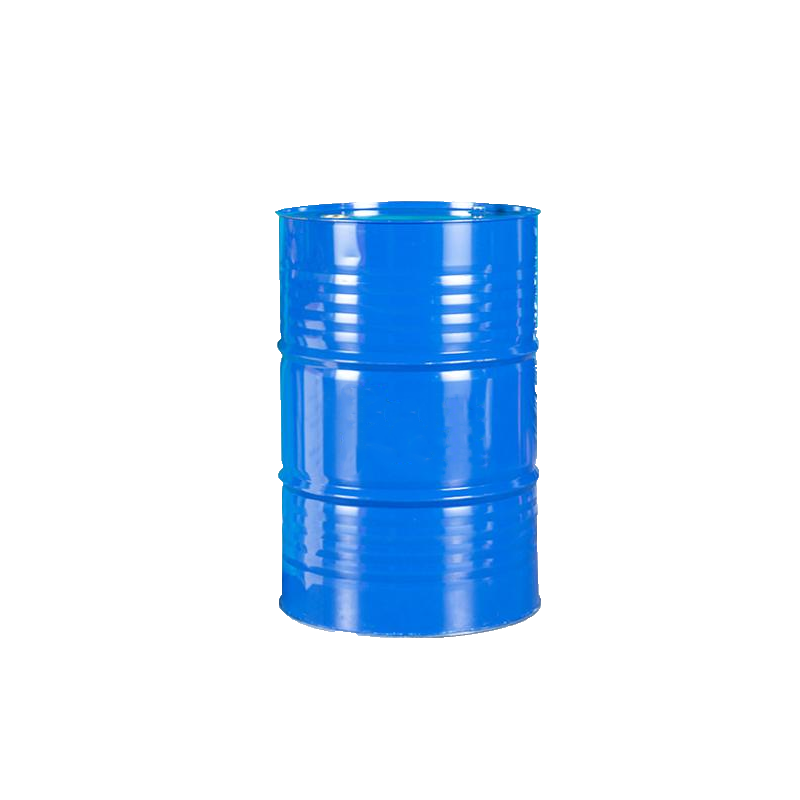
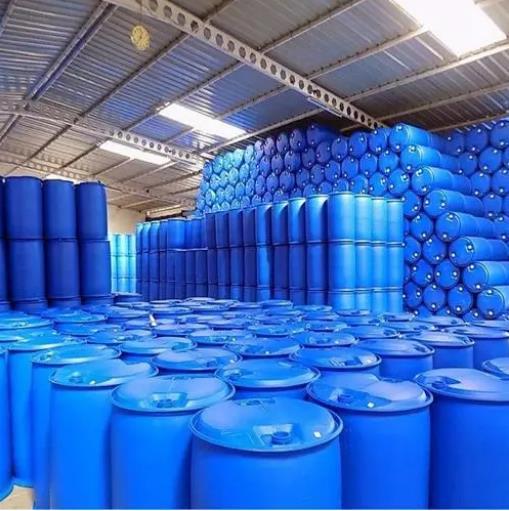
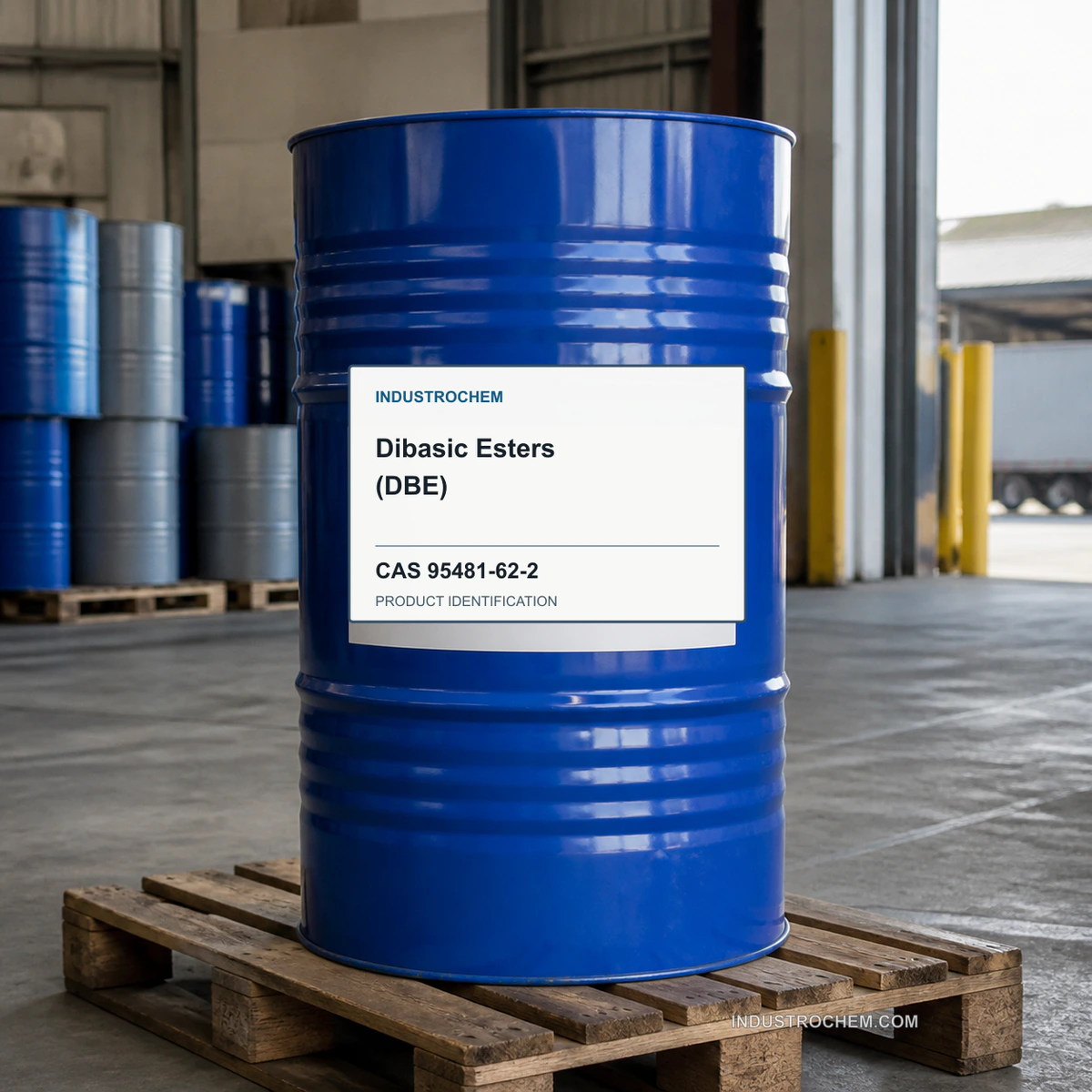
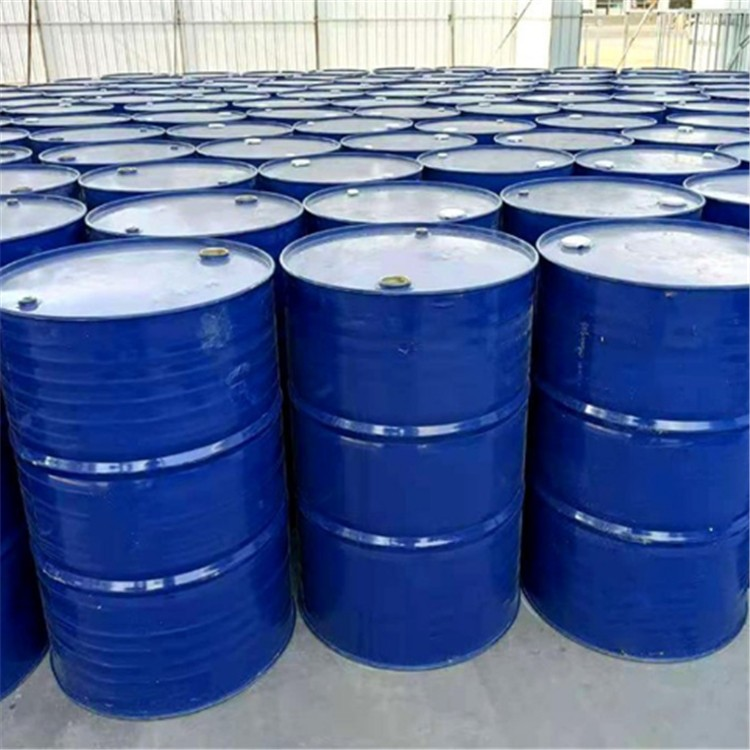
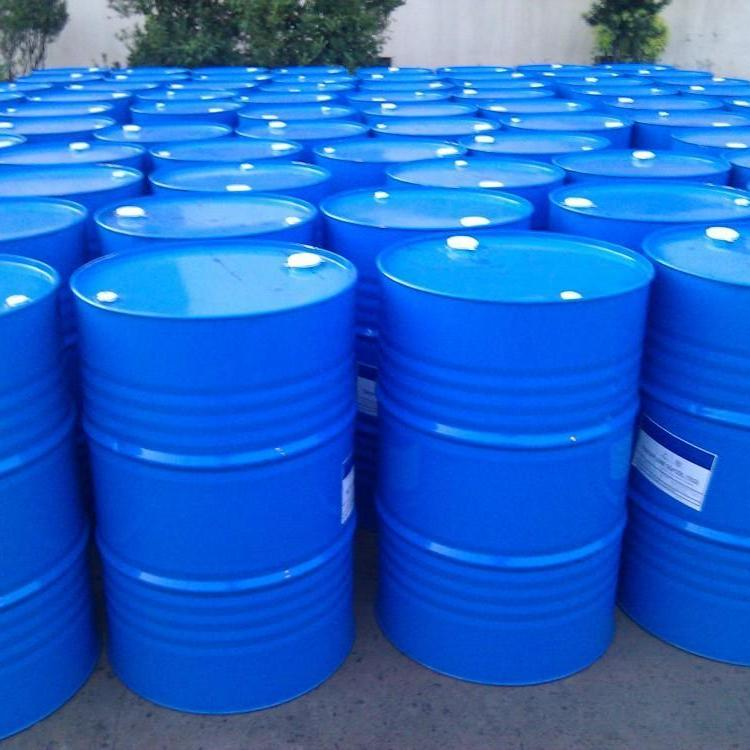
- Package: 190kg/iron drum, 950kg/IBC tank, ISO Tank
Product Description
Propylene Glycol Monomethyl Ether (PGME) CAS 107-98-2, also called 1-methoxy-2-propanol, is a glycol ether with the molecular formula C4H10O2 and EINECS 203-539-1.
Synonyms: PGME; 1-Methoxy-2-propanol; Propylene glycol methyl ether; PM solvent; Methoxypropanol.
CAS: 107-98-2.
Molecular formula: C4H10O2.
It is supplied as a colorless transparent liquid with a purity (1-methoxy-2-propanol) of not less than 99.5%.
The beta-isomer 2-methoxy-1-propanol is not more than 0.4%, and moisture is not more than 0.1%.
Acidity (as acetic acid) is not more than 0.01%, Pt-Co color not more than 10, and specific gravity about 0.918-0.924 at 20/20 °C.
The distillation range is about 117.0-125.0 °C.
In coatings it acts as a high-activity solvent and coupling agent for water-reducible and solvent-based acrylic, epoxy, and polyurethane systems, improving film flow and leveling.
In printing inks it serves as a fast-evaporating carrier for flexographic and gravure inks, helping control drying time and prevent screen clogging.
In electronic and industrial cleaning it works as a degreaser and flux remover in semiconductor and PCB manufacturing.
It is a flammable liquid with a flash point of about 31 °C; store in a cool, dry, well-ventilated warehouse away from sunlight, open flames, and strong oxidizers.
Keep containers tightly closed and electrically grounded to prevent static accumulation.
During handling use explosion-proof local exhaust ventilation, butyl rubber gloves, splash goggles, and organic vapor respirators.
Every batch is verified by gas chromatography to confirm organic purity and keep the beta-isomer within industrial limits.
Trace moisture is monitored by automated Karl Fischer titration, and acidity is checked to meet coating and electronics specifications.
Confirm appearance, purity, beta-isomer, moisture, acidity, color, specific gravity, distillation range, and grade as required.
The page is an RFQ entry point and does not state stock, price, MOQ, or fixed lead time.
For an RFQ, state the intended application, required grade, quantity, packaging, destination, and document needs.
FAQ - Technical & Supply Chain
-
Q:
What is Propylene Glycol Monomethyl Ether CAS 107-98-2?
A: CAS 107-98-2 is propylene glycol monomethyl ether, also known as 1-methoxy-2-propanol, PGME, or PM. It is a colorless glycol ether solvent with the molecular formula C4H10O2 and contains both ether and alcohol functional groups. -
Q:
What are the key physical properties of PGME?
A: PGME is a colorless liquid with a faint ether-like odor, a boiling point near 120 degrees C, and a closed-cup flash point around 31 degrees C. It is miscible with water and many organic solvents and has a moderate evaporation rate. -
Q:
How is PGME used in coatings and inks?
A: In coatings it works as an active solvent and coupling agent for water-based paints, alkyd resins, nitrocellulose lacquers, and automotive coatings. In inks it helps dissolve resins and improves flow, leveling, and film formation. -
Q:
What cleaning and electronic applications use Propylene Glycol Monomethyl Ether?
A: PGME is used in household and industrial cleaners, rust removers, glass cleaners, and hard-surface cleaners because it couples water with organic soils. Higher-purity electronic grades are also used for cleaning LCDs and other sensitive electronic components. -
Q:
How should Propylene Glycol Monomethyl Ether CAS 107-98-2 be stored?
A: Store PGME in tightly closed containers in a cool, dry, ventilated area away from heat, sparks, open flames, and oxidizing agents. Because it is flammable and volatile, grounding and proper ventilation should be used during transfer and handling.
Ordering & Documentation
Key information for document requests, quotations, and supply planning.
Documents
Tell us which documents your procurement team needs. Before an order, we will check whether the quoted source can provide them for the offered lot.
Quotation
Send the CAS number, grade, quantity, packing preference and destination.
Sample & Supply
Ask whether samples, trial quantities or repeat orders are possible. We will check each request against the sourced product and current offer.
Storage & Shipping
Product-specific conditions are confirmed before order.