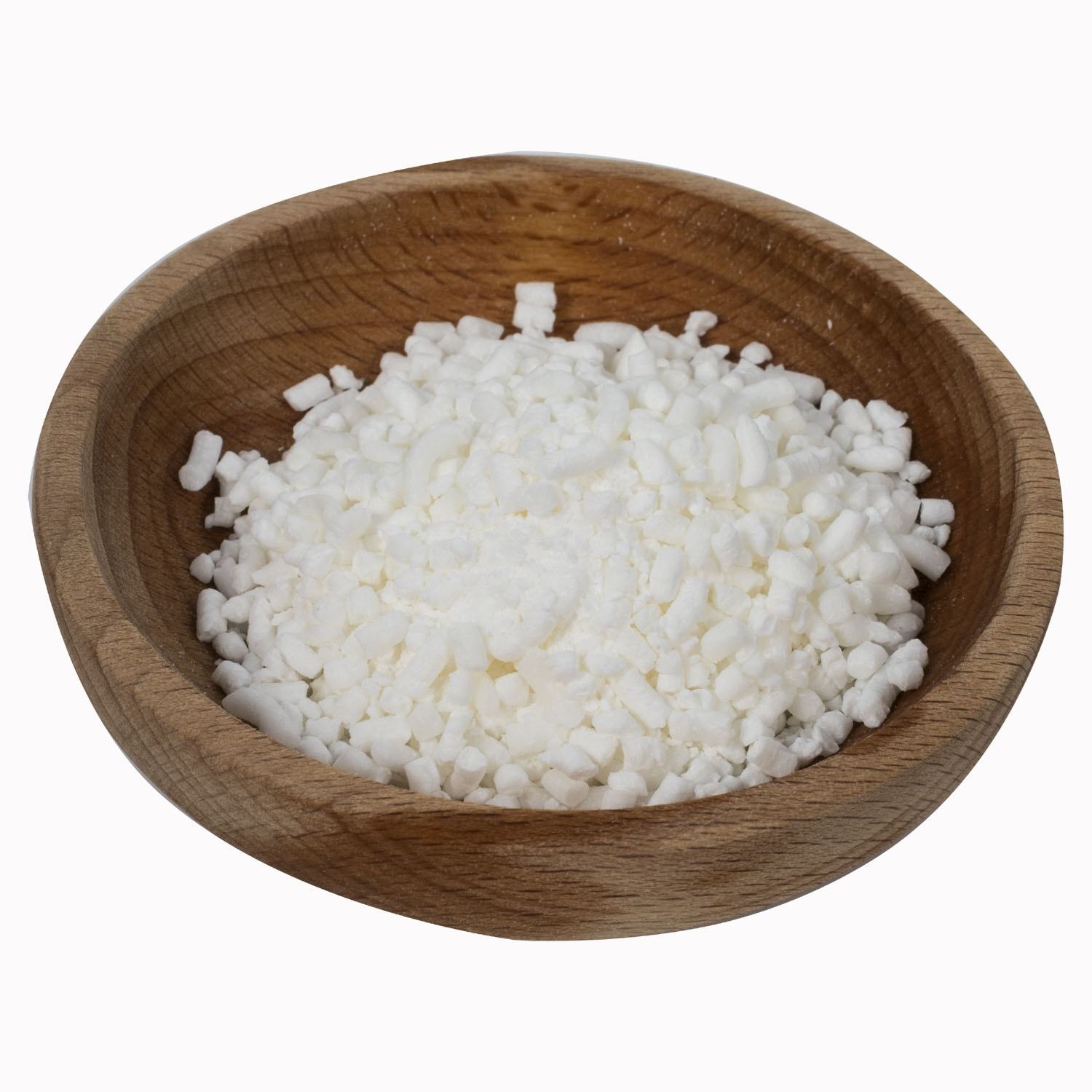
Isethionic Acid (HES), CAS 107-36-8, is 2-hydroxyethanesulfonic acid, containing hydroxyl and sulfonic acid groups. This industrial-grade 80% aqueous solution serves as a raw material for isethionate derivatives and as an acid catalyst in chemical manufacturing.
Isethionic Acid CAS 107-36-8
- CAS: 107-36-8
- Synonyms: Isethionic Acid; 2-Hydroxyethanesulfonic Acid; Hydroxyethylsulfonic Acid; 2-Hydroxyethane-1-sulfonic Acid
- Einecs: 203-484-3
- Molecular Formula: C₂H₆O₄S
- Grade: Industrial grade, 80% aqueous solution
- Package: 250 kg plastic drum
Product Description
2-Hydroxyethanesulfonic acid (isethionic acid, HES)
Synonyms: Hydroxyethylsulfonic acid; 2-Hydroxyethane-1-sulfonic acid
CAS number: 107-36-8
EINECS number: 203-484-3
Molecular formula: C₂H₆O₄S
Molecular weight: 126.13
Appearance: Liquid (typically supplied as an 80% aqueous solution)
Content: 80% (aqueous solution)
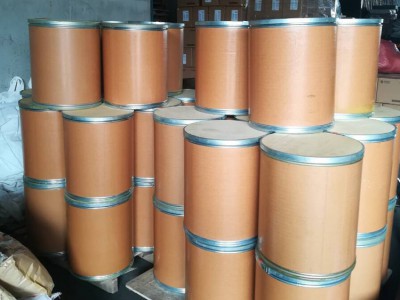
Packaging: 250 kg plastic drum
Isethionic acid is used to make isethionate derivatives and as an acid catalyst in oleochemical esterification and melamine-resin crosslinking. In surfactant manufacture, distinguish the free acid from sodium isethionate and finished acyl isethionates such as SLI or SCI; they have different functions in the process.
Quality Control and Analytical Methods
Ion chromatography (IC) and neutralization titration are documented methods for analysing aqueous isethionic acid and sulfuric acid impurities. Titration measures acidity without separating individual acids. Quality review should cover acid concentration, sulfate, chloride, sodium and Hazen colour. Keep solution concentration distinct from chromatographic purity. Request COA/TDS/SDS and an IC chromatogram with sample preparation, calibration and peak identification for chromatographic results.
FAQ - Technical & Supply Chain
-
Q:
Is Isethionic Acid CAS 107-36-8 the same product as Sodium Isethionate?
A: No. Isethionic acid is the free acid, CAS 107-36-8, with formula C2H6O4S. Sodium isethionate is its sodium salt, CAS 1562-00-1, with formula C2H5NaO4S. Specify the acid or salt form when ordering; they are different raw materials. -
Q:
What is Isethionic Acid used for?
A: Isethionic acid is used to make isethionate derivatives and as an acid catalyst in oleochemical esterification and melamine-resin crosslinking. In surfactant manufacture, distinguish the free acid from sodium isethionate and finished acyl isethionates such as SLI or SCI; they have different functions in the process. -
Q:
What physical form and concentration should be expected for Isethionic Acid?
A: The listed grade is an 80% aqueous solution, normally a colourless to pale-yellow liquid. Concentration and temperature affect density, while boiling behaviour also depends on water content and pressure. For purchasing and process design, use concentration-specific TDS/SDS data and a COA stating the assay basis, colour and impurity limits. -
Q:
How is Isethionic Acid commonly packaged and shipped?
A: The industrial-grade 80% aqueous solution is typically packed in 250 kg plastic drums. Select packaging compatible with the acidic liquid and destination requirements, and confirm net weight and concentration before shipment.
Ordering & Documentation
Key information for document requests, quotations, and supply planning.
Documents
Tell us which documents your procurement team needs. Before an order, we will check whether the quoted source can provide them for the offered lot.
Quotation
Send the CAS number, grade, quantity, packing preference and destination.
Sample & Supply
Ask whether samples, trial quantities or repeat orders are possible. We will check each request against the sourced product and current offer.
Storage & Shipping
Product-specific conditions are confirmed before order.