Chemical products
  • Vinyltrimethoxysilane (VTMS) CAS 2768-02-7
  • Vinyltrimethoxysilane (VTMS) CAS 2768-02-7

Vinyltrimethoxysilane (VTMS) CAS 2768-02-7

Vinyltrimethoxysilane, commonly abbreviated VTMS or VTMO, CAS 2768-02-7, is a bifunctional vinylsilane raw material supplied for silane-crosslinked polymers and adhesion-focused formulations. Confirm the required grade, then request a quotation with COA/TDS/SDS for bulk supply.

  • CAS: 2768-02-7
  • Synonyms: Trimethoxyvinylsilane, VTMS, VTMO
  • Einecs: 220-449-8
  • Molecular Formula: C₅H₁₂O₃Si
  • Grade: Industrial silane crosslinking grade
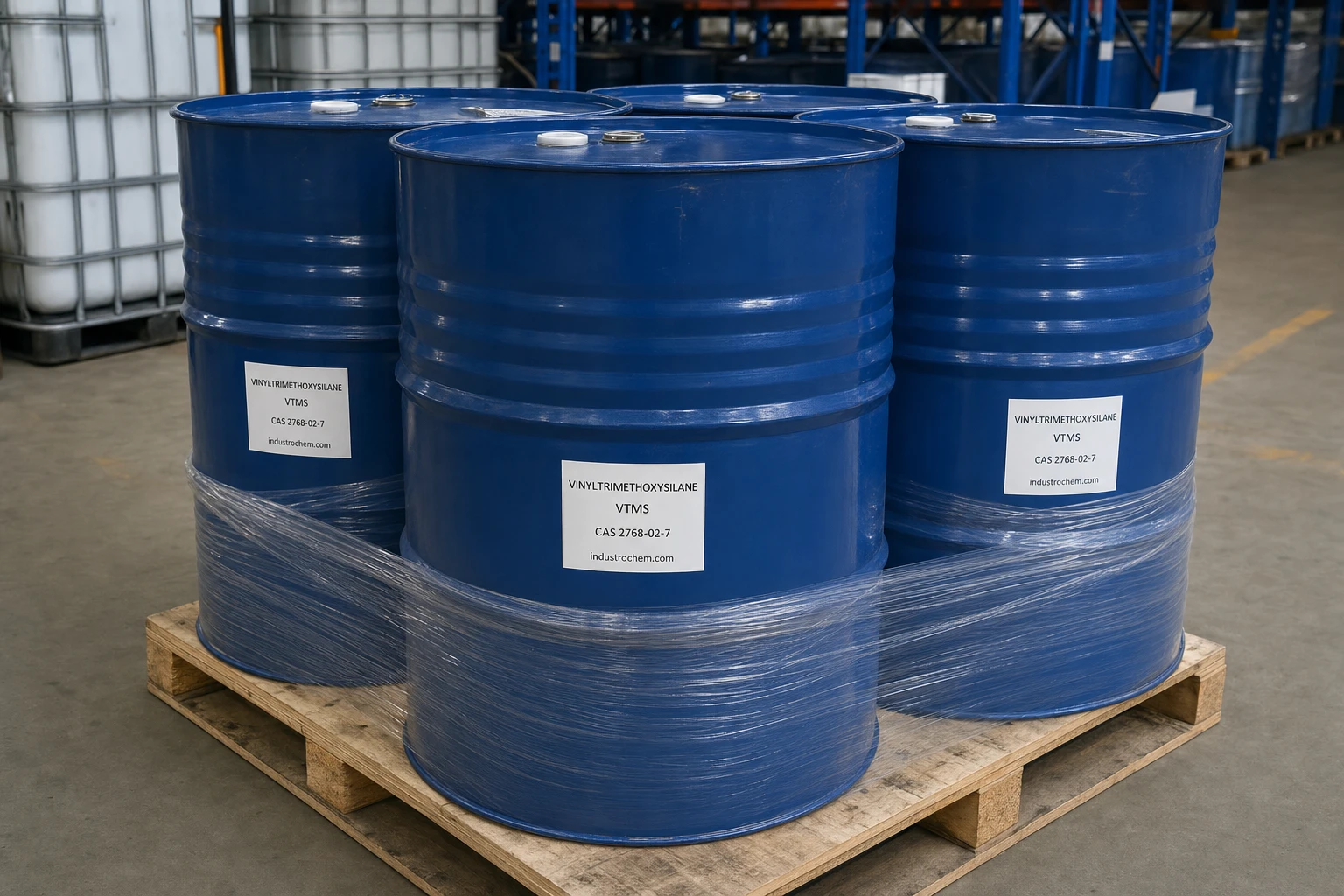
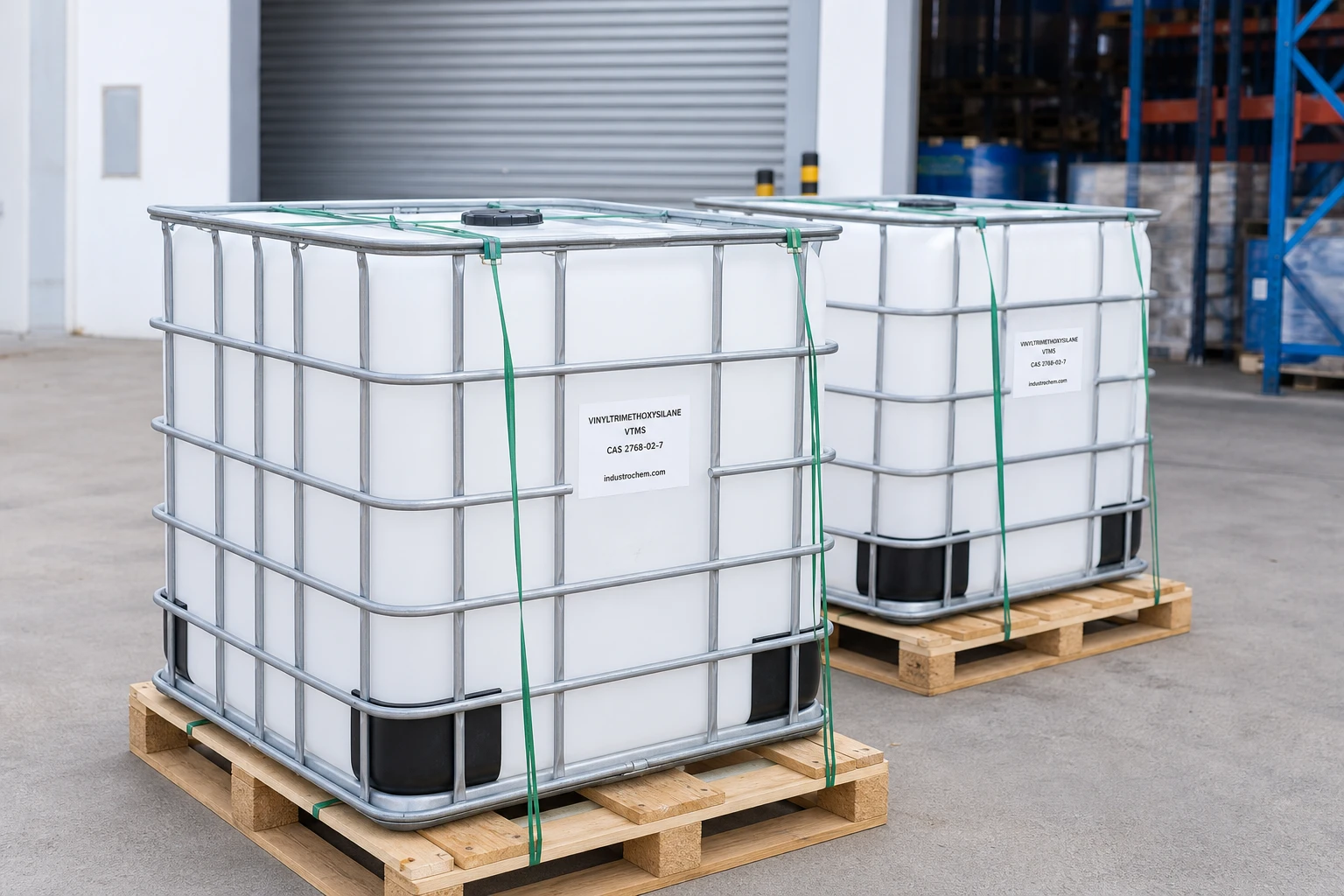
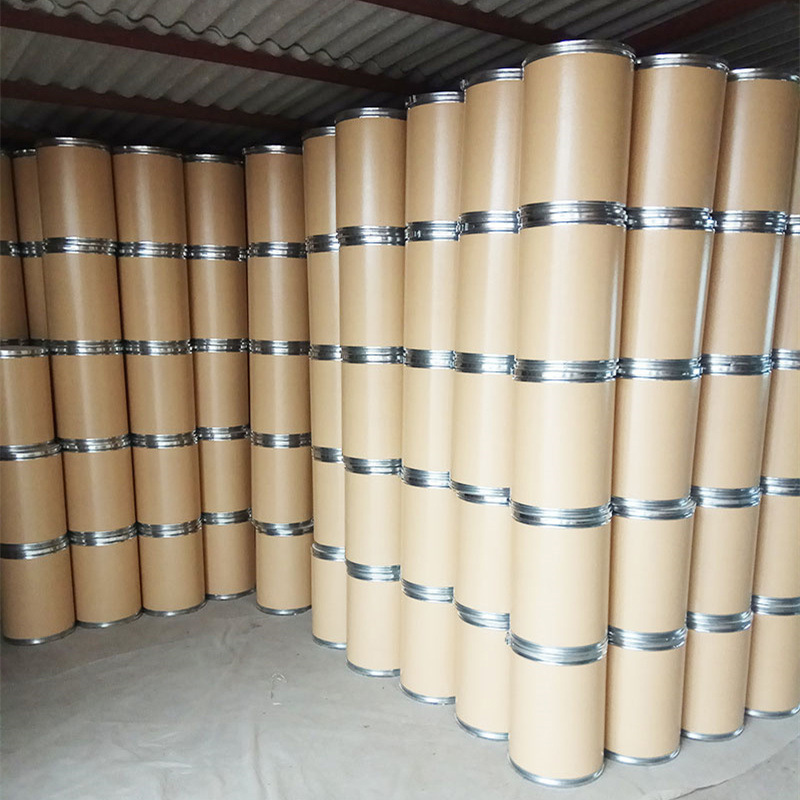
  • Package: 200 kg steel drums; IBCs by agreement
Request a quote
Share:

Product Description

Vinyltrimethoxysilane (VTMS) CAS 2768-02-7 is trimethoxyvinylsilane, with EC 220-449-8 and molecular formula C₅H₁₂O₃Si.

Synonyms: Trimethoxyvinylsilane; VTMS; VTMO.

CAS: 2768-02-7.

Molecular formula: C₅H₁₂O₃Si.

It is supplied as a colourless transparent liquid.

It is positioned as a bifunctional vinylsilane raw material for silane-crosslinked polymers and adhesion-focused formulations.

It is used in polyethylene and ethylene-copolymer processing and is not a ready-made cable compound, crosslinked polymer or finished sealant.

It is used in silane-crosslinked polyethylene and ethylene-copolymer compounds for cable, pipe and related processing.

It is used in vinylsilane grafting and copolymer routes in extrusion systems.

It is used in adhesion-promotion treatment for coatings on glass, metal or ceramic substrates.

It is used in adhesive, sealant and polymer-dispersion formulations where VTMS is specified.

The vinyl group can be grafted onto polyethylene or incorporated into an ethylene copolymer, while the methoxysilyl groups later hydrolyse and condense to form a crosslinked network.

This is a common route for producing moisture-cured XLPE used in cable insulation and pipe materials.

The methoxy groups are moisture sensitive and can form silanol intermediates, so premature hydrolysis must be avoided.

It has a boiling point around 122-123 C, density about 0.96-0.97 g/cm3, refractive index around 1.39 and a relatively low flash point.

Confirm silane assay, colour, moisture and relevant hydrolysis controls for the intended route.

Store dry under moisture-controlled conditions, use suitable PPE when handling, and follow the current SDS.

The page is an RFQ entry point and does not state stock, price, MOQ, or fixed lead time.

For an RFQ, state the intended application, required grade, quantity, packaging, destination, and document needs.

FAQ - Technical & Supply Chain

  • Q:

    What is Vinyltrimethoxysilane VTMS CAS 2768-02-7?

    A: Vinyltrimethoxysilane, commonly abbreviated VTMS or VTMO, is a bifunctional organosilane with molecular formula C5H12O3Si. It contains both a reactive vinyl group and three hydrolysable methoxy groups, making it useful for polymer grafting and adhesion-promotion routes.
  • Q:

    How is VTMS used in silane-crosslinked polyethylene?

    A: The vinyl group can be grafted onto polyethylene or incorporated into an ethylene copolymer, while the methoxysilyl groups later hydrolyse and condense to form a crosslinked network. This is a common route for producing moisture-cured XLPE used in cable insulation and pipe materials.
  • Q:

    Why is Vinyltrimethoxysilane moisture sensitive?

    A: The three methoxy groups can react with water to form silanol intermediates, which can then condense. Premature hydrolysis can reduce grafting effectiveness or cause viscosity and gel formation, so VTMS should be kept dry and handled under moisture-controlled conditions.
  • Q:

    Is Vinyltrimethoxysilane the same as Vinyltriethoxysilane?

    A: No. Both are vinyl-functional silanes, but VTMS has methoxy groups while vinyltriethoxysilane has ethoxy groups. This changes hydrolysis rate, by-product alcohol and processing behaviour, so the two should be selected for the specific polymer, catalyst and extrusion process.
  • Q:

    What typical liquid properties should be expected for VTMS?

    A: VTMS is normally a colorless transparent liquid with boiling point around 122-123 deg C, density about 0.96-0.97 g/cm3 and refractive index around 1.39. Its flash point is relatively low, so storage and handling require appropriate flammability controls.

Ordering & Documentation

Key information for document requests, quotations, and supply planning.

Documents

COA, TDS, SDS/MSDS and packing details are available on request.

Quotation

Send the CAS number, grade, quantity, packing preference and destination.

Sample & Supply

Support is available for samples, trial orders, bulk and repeat supply.

Storage & Shipping

Product-specific conditions are confirmed before order.

Contact Form

Use our contact form to send us your questions, suggestions or comments. We will respond as soon as possible.
For a quotation, please include the product name or CAS number, quantity, grade or application, and destination country or port. Tell us if you need a sample, COA, TDS or SDS.