









Phenylsuccinic acid is an aromatic dicarboxylic acid derived from the succinic acid framework, featuring a phenyl substituent on the carbon backbone. This defined molecular structure places it within the class of aryl‑substituted aliphatic dicarboxylic acids supplied through professional chemical supply chains. Phenylsuccinic acid (CAS 635‑51‑8) is handled as a discrete molecular substance in regulated industrial and research environments, where accurate identification, documentation, and compliance are essential.
The material is supplied with standardized specifications and complete technical documentation, including MSDS, TDS, and COA, supporting traceability and regulatory conformity.
Phenylsuccinic Acid CAS 635‑51‑8
- CAS: 635-51-8
- Synonyms: Phenylsuccinic acid, 2-Phenylsuccinic acid, α-Phenylsuccinic acid, Phenylbutanedioic acid
- Einecs: 210‑835‑5
- Molecular Formula: C10H10O4
- Grade: Industrial grade 99%
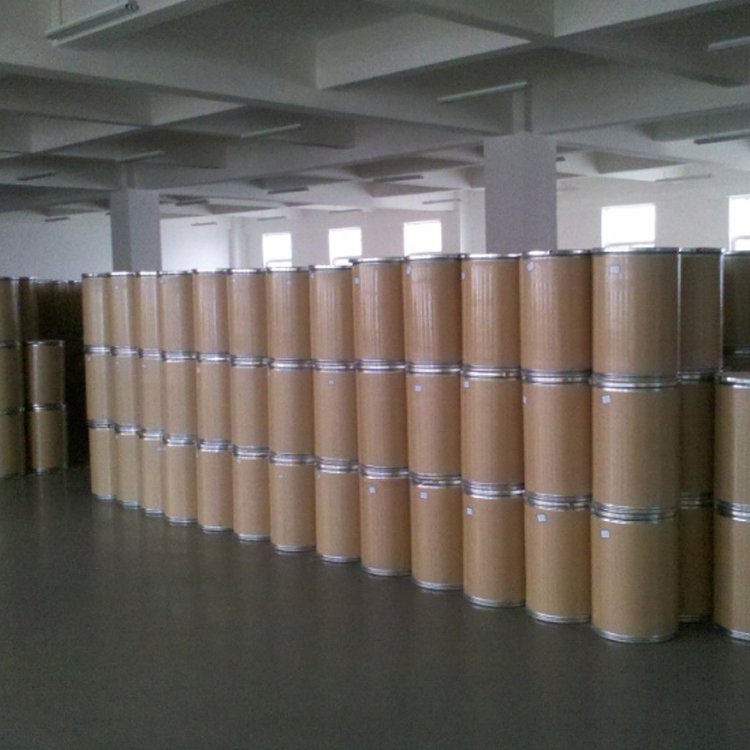
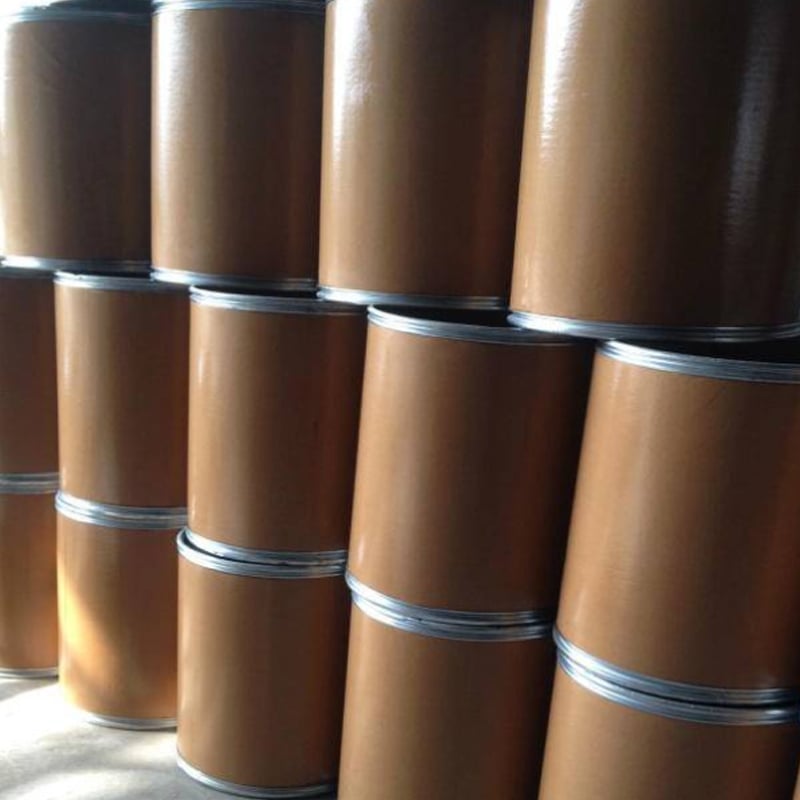
- Package: 200kg iron drum or 50kg plastic drum packaging
Product Description
Physicochemical properties
| Property | Value |
|---|---|
| Chemical Name | Phenylsuccinic acid |
| Molecular Formula | C10H10O4 |
| Molecular Weight | 194.18 g/mol |
| CAS Number | 635-51-8 |
| EINECS Number | 211-238-1 |
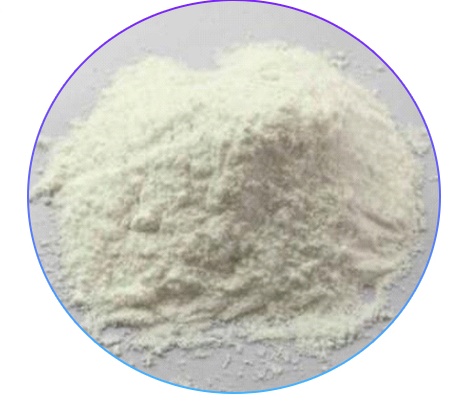
| Appearance | Class white powder (or off-white to light yellow crystalline powder, depending on the source) |
| Density | 1.1277 g/cm³ (or not explicitly provided in some references) |
| Melting Point | 166-168 °C |
| Boiling Point | Not explicitly provided (or 151-153 °C at 1 Torr for some forms) |
| Solubility | Typically limited solubility in water; solubility in other solvents is not explicitly provided in references |
| Stability | Stable under normal conditions; specific storage conditions may vary, but generally, it should be stored in a cool, dry place |
Application Areas
Medicine and pharmaceuticals: used for the separation of racemates (such as the preparation of optically pure drugs). The key raw materials for synthesizing certain anti-inflammatory and anti-tumor drugs.
Chemical synthesis: used to construct complex molecules (such as ligands, functional materials).
Materials Science: Used for synthesizing high-performance polymers such as polyester and polyamide. Preparation of precursors for liquid crystal or optoelectronic materials.
Biochemical research: simulating enzyme substrates or studying metabolic pathways.
Storage conditions
Dry and sealed: It is prone to moisture absorption and should be stored in a dry environment using a sealed container (such as glass or plastic bottles).
Stay away from oxidants: Avoid coexisting with strong oxidants such as peroxides and nitrates.
Inert atmosphere: When sensitive to oxygen, nitrogen can be filled for protection.
Safety precautions
Operation protection: Wear chemical resistant gloves, goggles, and N95 masks to avoid inhaling dust or vapor. Operation inside the fume hood is prohibited with open flames.
Emergency measures: Skin contact: Immediately rinse with clean water for 15 minutes and seek medical attention. Inhalation or ingestion: Move to a place with fresh air and seek medical attention if necessary.
Environmental risk: Avoid discharging into water bodies or sewers to prevent toxicity to aquatic organisms
FAQ - Technical & Supply Chain
-
Q:
Does CAS 635‑51‑8 specifically correspond to phenylsuccinic acid?
A: Yes. CAS 635‑51‑8 is assigned specifically to phenylsuccinic acid. -
Q:
Is this CAS number associated with a mixture or a single compound?
A: It refers to a single, well‑defined dicarboxylic acid with a fixed molecular structure.
Documents and Product Support
For product review and sourcing evaluation, supporting documents can be coordinated according to the product type, inquiry stage, and order requirements.
- COA for batch-based quality reference
- TDS for key physical and chemical information
- SDS / MSDS for handling, storage, and safety reference
- Packing information for sample, trial, and bulk orders
- Technical communication based on application and specification requirements
Information to Confirm Before Quotation
Clear sourcing information helps reduce specification mismatch and allows a more accurate quotation before sample or bulk order discussion.
- Product name and CAS number
- Application or intended end use
- Required purity, grade, or specification
- Sample quantity, trial order, or bulk demand
- Preferred packing form or net weight
- Destination country or port
- Required documents or compliance expectations
Packaging, Storage, and Handling Notes
Packaging form, storage conditions, shelf life, and shipment arrangements should be confirmed according to the product characteristics, package size, and destination requirements.
Before order confirmation, buyers are advised to review the corresponding product documents and confirm whether any special storage, labeling, or handling requirements apply.
Sample, Bulk Order and Repeat Supply Support
Support can be arranged for sample discussion, bulk supply planning, packaging confirmation, and routine sourcing communication based on the actual product and order requirements.
For repeat-use formulations or long-term procurement plans, buyers may discuss specification consistency, packaging preferences, delivery expectations, and document coordination in advance.