









• mCPBA (meta-Chloroperbenzoic Acid) CAS 937-14-4

mCPBA (meta-Chloroperbenzoic Acid) CAS 937-14-4

meta‑Chloroperbenzoic acid (mCPBA) is an aromatic peroxycarboxylic acid characterized by a chlorine substituent at the meta position of the benzene ring. This defined molecular structure classifies it as an organic peroxide within professional chemical supply chains. mCPBA (CAS 937‑14‑4) is handled as a discrete chemical substance in regulated industrial and research environments, where accurate identification, documentation, and compliance are essential.
The material is supplied with standardized specifications and complete technical documentation, including MSDS, TDS, and COA, supporting traceability and regulatory conformity.

  • CAS: 937-14-4
  • Synonyms: mCPBA, meta-Chloroperbenzoic acid, m-Chloroperbenzoic acid, 3-Chloroperbenzoic acid
  • Einecs: 213-322-3
  • Molecular Formula: ‌C₇H₅ClO₃‌‌
  • Grade: Industrial grade 99%
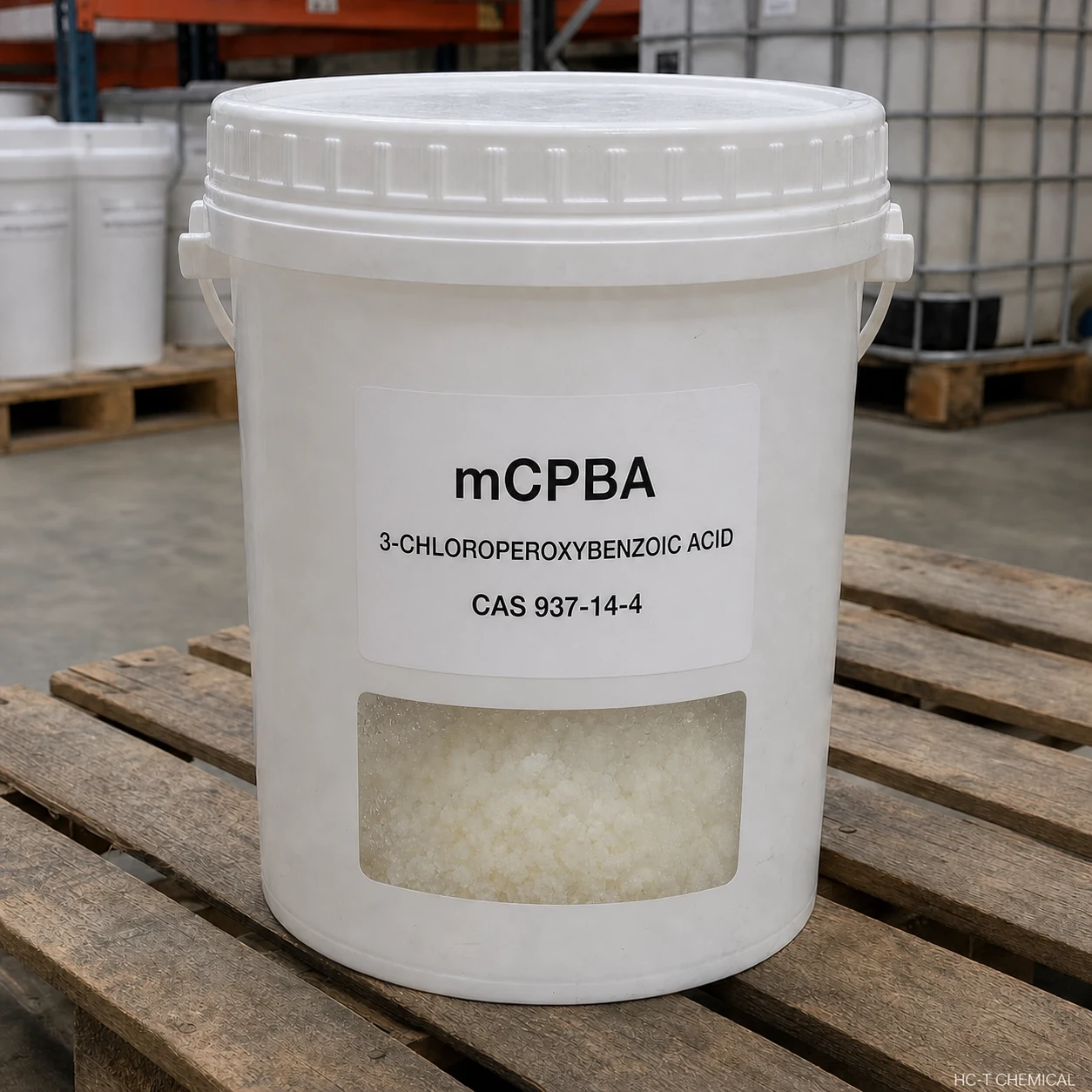
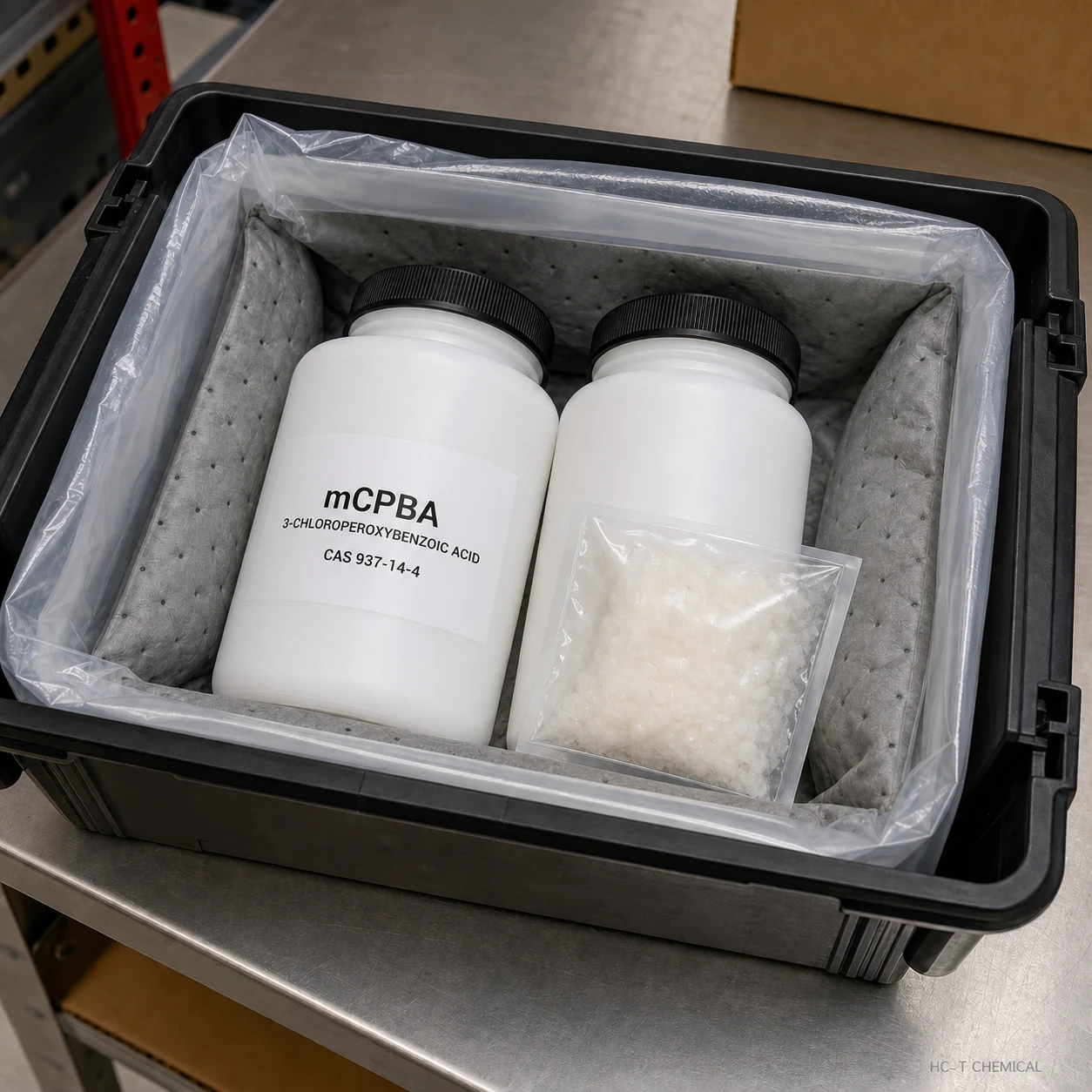
  • Package: 200kg iron drum or 50kg plastic drum packaging
Request a quote
Share:

Product Description

Physicochemical properties

PropertyValue
Chemical Namemeta-Chloroperoxybenzoic acid (MCPBA)
Molecular FormulaC7H5ClO3
Molecular Weight172.57 g/mol
CAS Number937-14-4
EINECS Number213-322-3
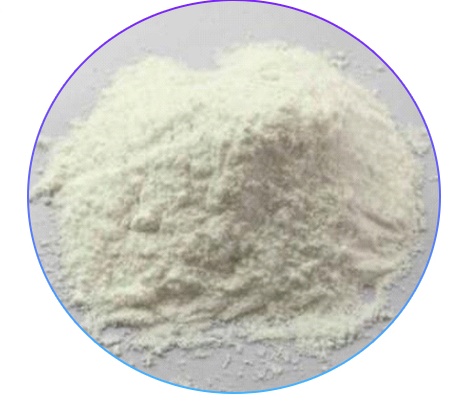
AppearanceWhite crystalline powder
OdorSlight pungent odor
Density1.4 ± 0.1 g/cm³ (or 0.56 g/cm³, depending on the reference and state)
Melting Point69-94 °C (decomposition may occur at higher temperatures)
Boiling Point305.5 ± 44.0 °C at 760 mmHg (or 244.67 °C, depending on the reference)
SolubilityAlmost insoluble in water; soluble in ethanol, ether, chloroform, and dichloroethane
Flash Point138.6 ± 28.4 °C
Vapor Pressure0.0 ± 0.7 mmHg at 25 °C (or 6.07 × 10⁻⁵ mmHg at 25 °C, depending on the reference)
Hazard Class5.2 (UN 3106); strong oxidizing agent; may cause fire or explosion upon contact with combustible materials

Application Areas

organic synthesis
Epoxidation reaction: used for the epoxidation of olefins (such as the synthesis of ethylene oxide derivatives).
Baeyer Villiger oxidation: the oxidation of ketones to esters or lactones.
N-oxidation and S-oxidation: used for the oxidation of amines or sulfides (such as the synthesis of sulfoxides, sulfones, or N-oxides).
Deprotection reaction: used for the removal of certain protective groups (such as thioethers).
Pharmaceuticals and Pesticides
Drug intermediates: used for synthesizing antibiotics, antiviral drugs, etc.
Pesticide synthesis: the preparation of key oxidants for certain insecticides or herbicides.

Storage conditions

Low temperature drying: It should be stored in a refrigerator at 2-8 ℃ (to avoid decomposition) and kept in a dry environment.
Light proof sealing: Use brown glass bottles or light proof containers, strictly seal (to prevent contact with air or water).
Separate storage: Keep away from reducing agents, flammable materials, metal powders, and strong acids/bases (prone to violent reactions).
Anti vibration and anti friction: Handle with care to avoid vibration or friction (peroxides are sensitive to mechanical impact).

Safety precautions

Leakage treatment: Collect with inert adsorbent materials (such as sand) and dispose of as hazardous waste
Operation protection: When operating in a fume hood, wear chemical resistant gloves, goggles, and dust masks. Avoid impact, friction, or high temperature (flash point 138.6 ° C).
Emergency measures:
Skin contact: Immediately rinse with clean water for 15 minutes and seek medical attention.
Inhalation or ingestion: Move to a place with fresh air and administer oxygen if necessary.

FAQ - Technical & Supply Chain

  • Q:

    Does CAS 937‑14‑4 specifically correspond to mCPBA?

    A: Yes. CAS 937‑14‑4 is assigned specifically to meta‑chloroperbenzoic acid (mCPBA).
  • Q:

    Is this CAS number associated with a mixture or a single compound?

    A: It refers to the defined chemical entity meta‑chloroperbenzoic acid; commercial forms may include stabilizers or water but share the same core CAS identifier.
Documents

Documents and Product Support

For product review and sourcing evaluation, supporting documents can be coordinated according to the product type, inquiry stage, and order requirements.

  • COA for batch-based quality reference
  • TDS for key physical and chemical information
  • SDS / MSDS for handling, storage, and safety reference
  • Packing information for sample, trial, and bulk orders
  • Technical communication based on application and specification requirements
Quotation

Information to Confirm Before Quotation

Clear sourcing information helps reduce specification mismatch and allows a more accurate quotation before sample or bulk order discussion.

  • Product name and CAS number
  • Application or intended end use
  • Required purity, grade, or specification
  • Sample quantity, trial order, or bulk demand
  • Preferred packing form or net weight
  • Destination country or port
  • Required documents or compliance expectations
Storage & Handling

Packaging, Storage, and Handling Notes

Packaging form, storage conditions, shelf life, and shipment arrangements should be confirmed according to the product characteristics, package size, and destination requirements.

Before order confirmation, buyers are advised to review the corresponding product documents and confirm whether any special storage, labeling, or handling requirements apply.

Supply Support

Sample, Bulk Order and Repeat Supply Support

Support can be arranged for sample discussion, bulk supply planning, packaging confirmation, and routine sourcing communication based on the actual product and order requirements.

For repeat-use formulations or long-term procurement plans, buyers may discuss specification consistency, packaging preferences, delivery expectations, and document coordination in advance.

Contact Form

Use our contact form to send us your questions, suggestions or comments. We will respond as soon as possible.