








Chemical products
  • n-Butyl Acrylate (BA) CAS 141-32-2

n-Butyl Acrylate (BA) CAS 141-32-2

n-Butyl Acrylate, also known as BA or butyl 2-propenoate, CAS 141-32-2, is a stabilised acrylic monomer supplied for emulsion and solution-polymer manufacture. Confirm the required grade, then request a quotation with COA/TDS/SDS for bulk supply.

  • CAS: 141-32-2
  • Synonyms: Butyl 2-Propenoate; Acrylic Acid n-Butyl Ester; BA
  • Einecs: 205-480-7
  • Molecular Formula: C7H12O2
  • Grade: Industrial Monomer Grade
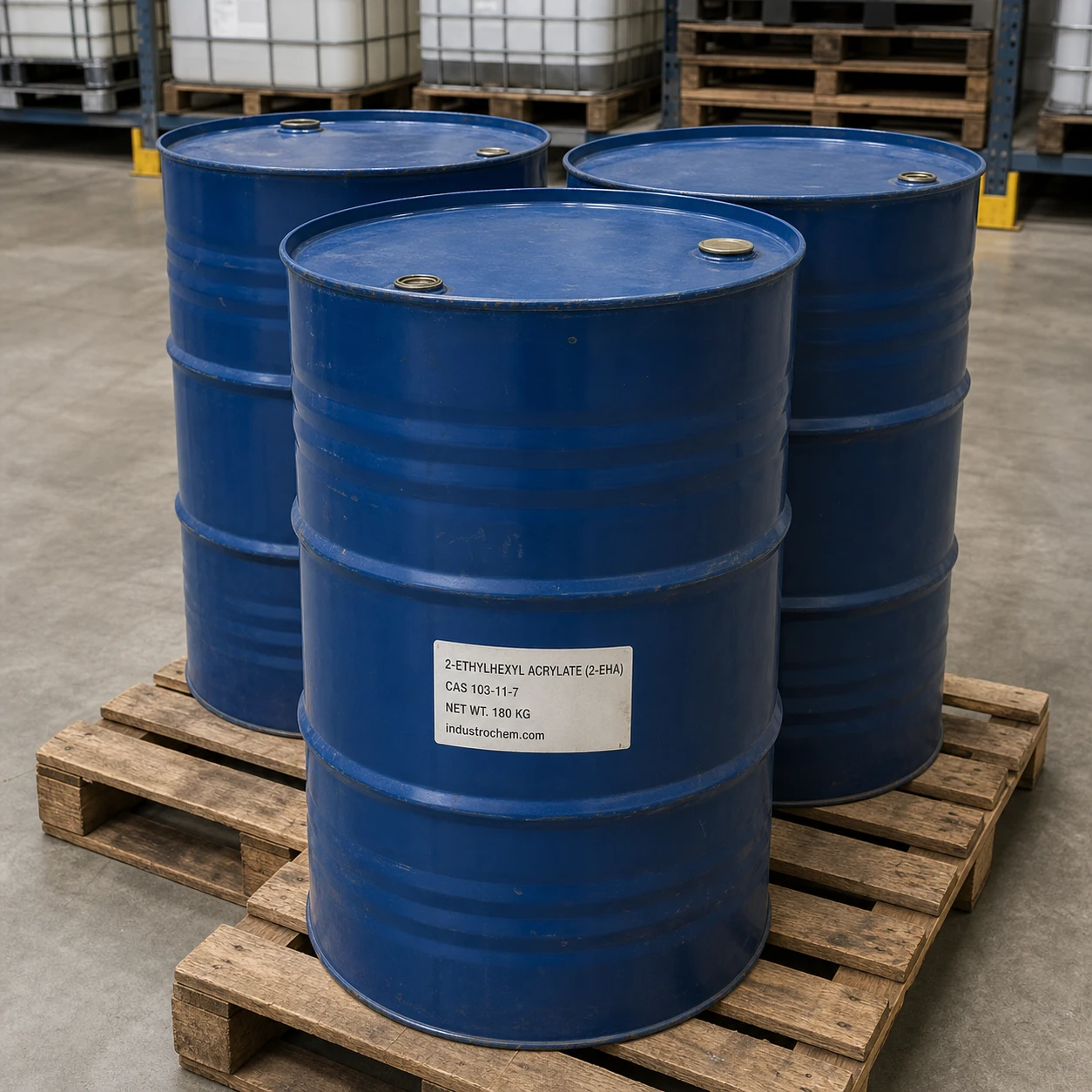
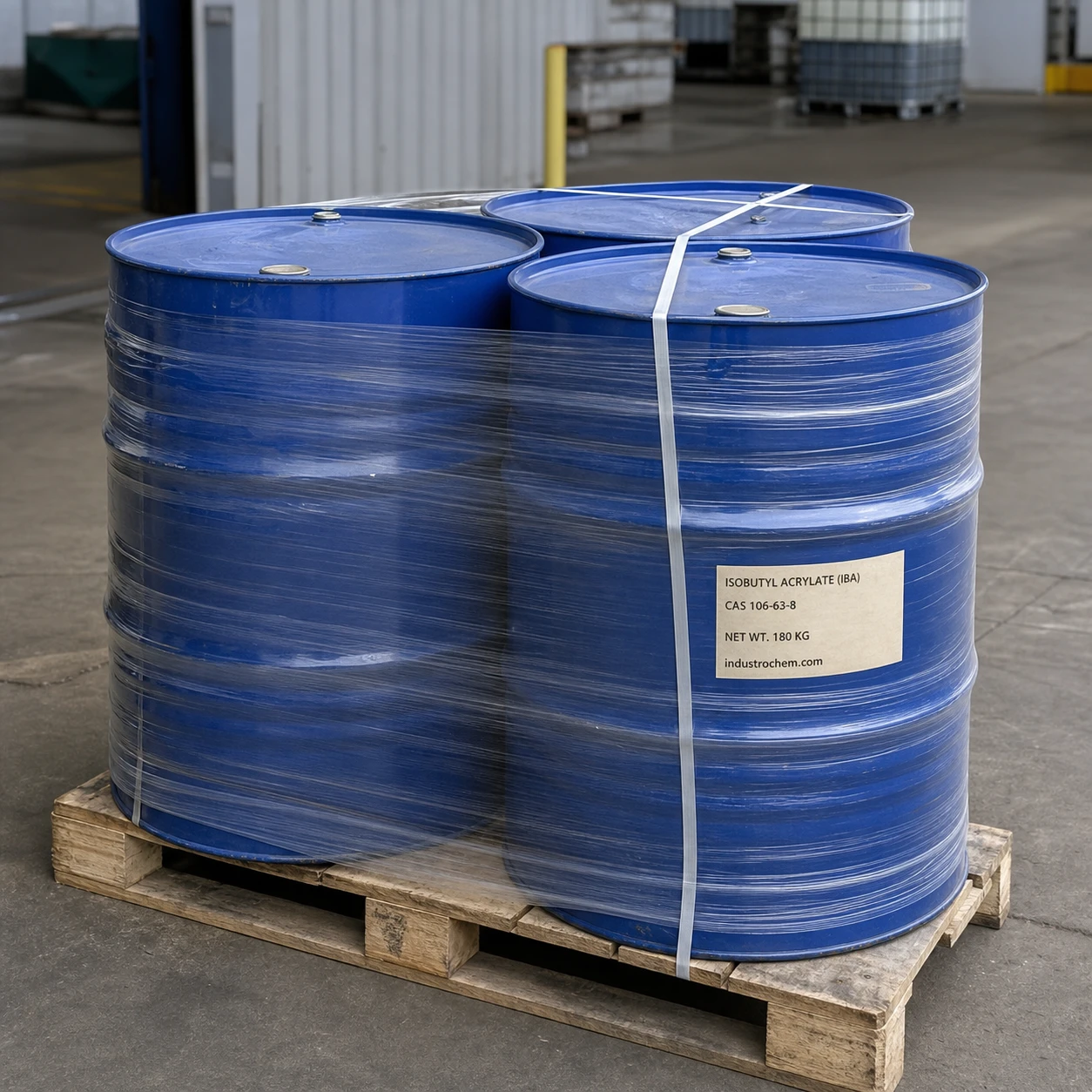
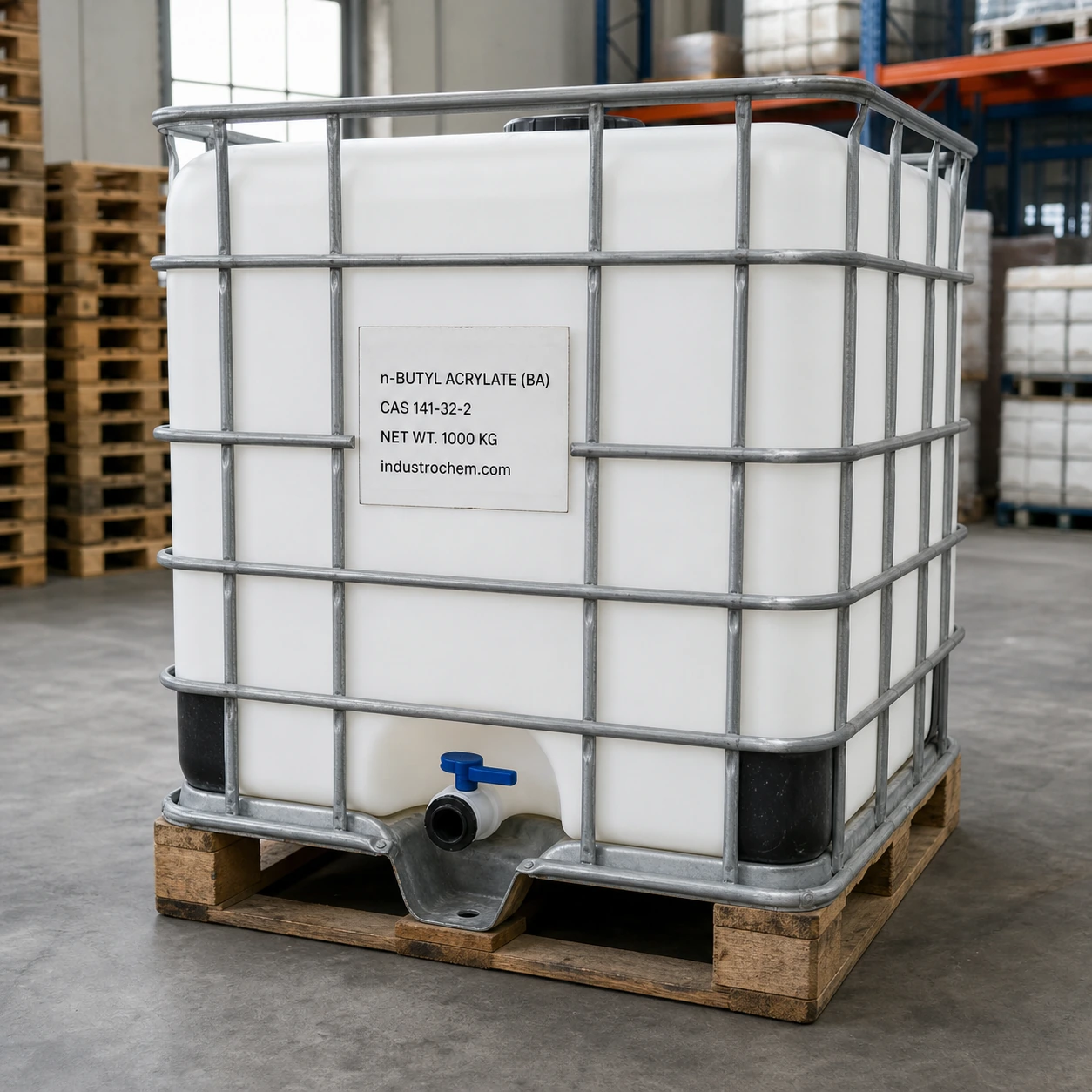
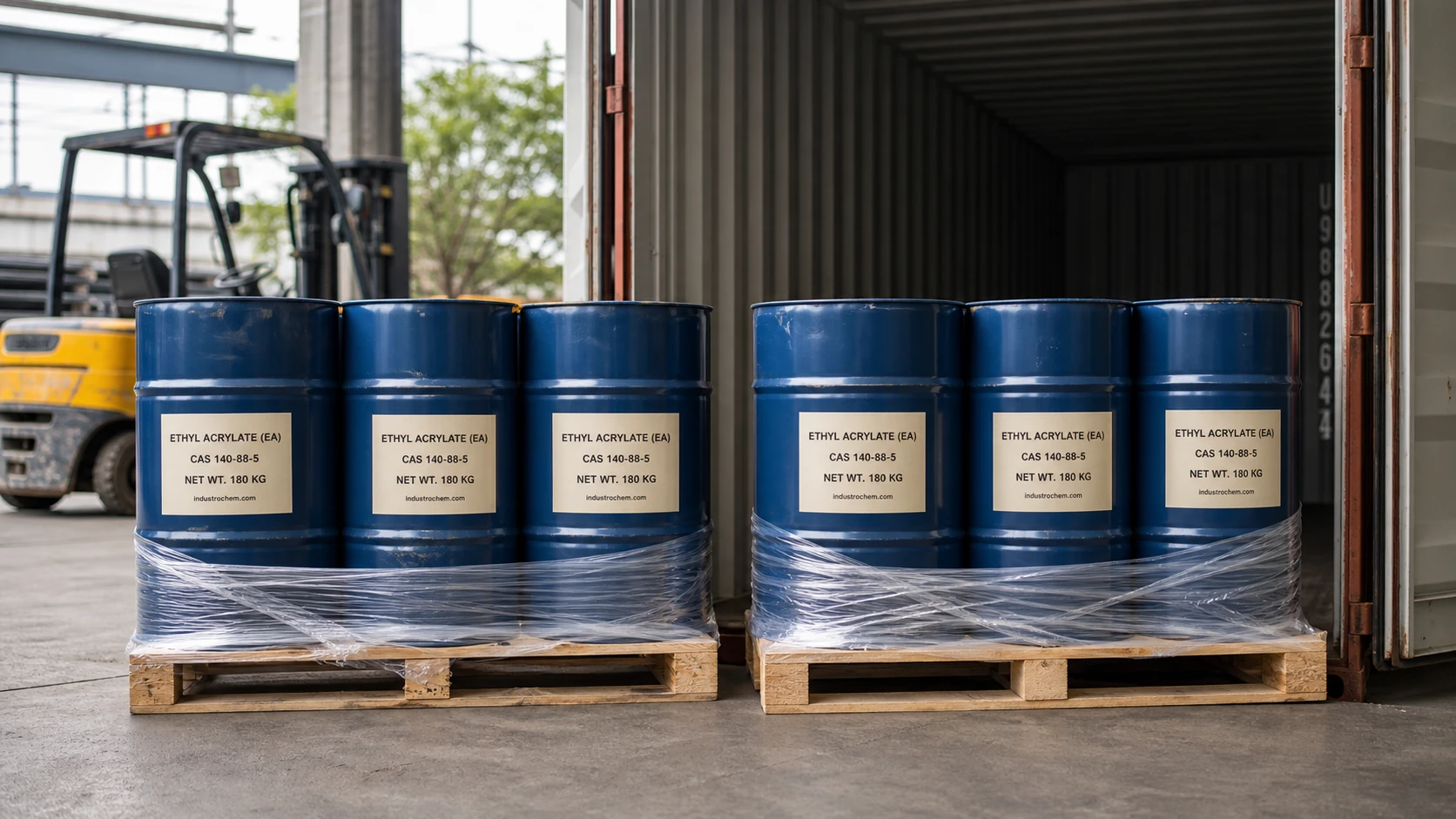
  • Package: 180 kg steel drums; 1,000 kg IBCs
Request a quote
Share:

Product Description

n-Butyl Acrylate (BA) CAS 141-32-2 is butyl 2-propenoate, with EC 205-480-7 and molecular formula C7H12O2.

Synonyms: Butyl 2-Propenoate; Acrylic Acid n-Butyl Ester; BA.

CAS: 141-32-2.

Molecular formula: C7H12O2.

It is supplied as a clear, colourless liquid.

It is positioned as a stabilised acrylic monomer for emulsion and solution-polymer manufacture.

It is used as a soft-monomer component in acrylic systems and is a reactive raw material, not a finished acrylic resin, dispersion or adhesive.

It is used in acrylic pressure-sensitive adhesive and tape formulations.

It is used in waterborne and solvent-borne acrylic coating polymers.

It is used in polymer emulsions for paper, textile and construction binders.

It is used in sealant and elastomer-modified acrylic copolymer systems.

It is the most widely used soft acrylic monomer for emulsion and solution polymerisation.

MEHQ inhibitor is added and its level is controlled, commonly about 15 +/- 5 ppm, to prevent unintended polymerisation during storage and handling.

Confirm purity, water, acidity as acrylic acid, colour and the inhibitor type and level.

Typical bulk data include purity 99.5% min, water 0.05% max, density about 0.89 g/cm3, boiling point about 145 C and flash point about 39 C.

Store in tightly closed containers in a cool, dry, well-ventilated area, away from ignition sources.

Use suitable PPE and vapour control when handling the material to prevent inhalation and skin or eye contact, and follow the current SDS.

The page is an RFQ entry point and does not state stock, price, MOQ, or fixed lead time.

For an RFQ, state the intended application, required grade, quantity, packaging, destination, and document needs.

FAQ - Technical & Supply Chain

  • Q:

    What is n-Butyl Acrylate BA CAS 141-32-2?

    A: n-Butyl Acrylate, also called butyl prop-2-enoate, is a stabilised acrylic ester monomer with molecular formula C7H12O2. It is a reactive soft monomer used in emulsion and solution polymerisation, not a finished acrylic resin, dispersion or adhesive.
  • Q:

    What is n-Butyl Acrylate mainly used for?

    A: It is the most widely used soft acrylic monomer and is used to make pressure-sensitive adhesives and tapes, waterborne and solvent-borne acrylic coating polymers, paper and textile binders, construction emulsions, and acrylic sealants.
  • Q:

    Is n-Butyl Acrylate the same as Isobutyl Acrylate or 2-Ethylhexyl Acrylate?

    A: No. n-Butyl Acrylate, Isobutyl Acrylate and 2-Ethylhexyl Acrylate have different ester groups, so they give different polymer flexibility, polarity, Tg and compatibility. The monomer should be selected for the target polymer design rather than substituted by name.
  • Q:

    Why is inhibitor content specified for n-Butyl Acrylate?

    A: Acrylic monomers can polymerise unintentionally during storage and handling, so MEHQ inhibitor is added and its level is controlled. A common commercial range is about 15 +/- 5 ppm MEHQ, but the exact inhibitor type and level should be agreed with the planned polymerisation process.
  • Q:

    What typical n-Butyl Acrylate data should be checked before use?

    A: Confirm purity, water, acidity as acrylic acid, colour and the inhibitor type and level. Typical bulk data include purity 99.5% min, water 0.05% max, density about 0.89 g/cm3, boiling point about 145 deg C and flash point about 39 deg C.

Ordering & Documentation

Key information for document requests, quotations, and supply planning.

Documents

COA, TDS, SDS/MSDS and packing details are available on request.

Quotation

Send the CAS number, grade, quantity, packing preference and destination.

Sample & Supply

Support is available for samples, trial orders, bulk and repeat supply.

Storage & Shipping

Product-specific conditions are confirmed before order.

Contact Form

Use our contact form to send us your questions, suggestions or comments. We will respond as soon as possible.
For a quotation, please include the product name or CAS number, quantity, grade or application, and destination country or port. Tell us if you need a sample, COA, TDS or SDS.