








2-Ethylhexyl Acrylate, commonly abbreviated 2-EHA, CAS 103-11-7, is a stabilised acrylic ester monomer supplied for homo- and copolymer manufacture. Confirm the required grade, then request a quotation with COA/TDS/SDS for bulk supply.
2-Ethylhexyl Acrylate (2-EHA) CAS 103-11-7
- CAS: 103-11-7
- Synonyms: Acrylic Acid 2-Ethylhexyl Ester; 2-EHA
- Einecs: 203-080-7
- Molecular Formula: C11H20O2
- Grade: Industrial Monomer Grade
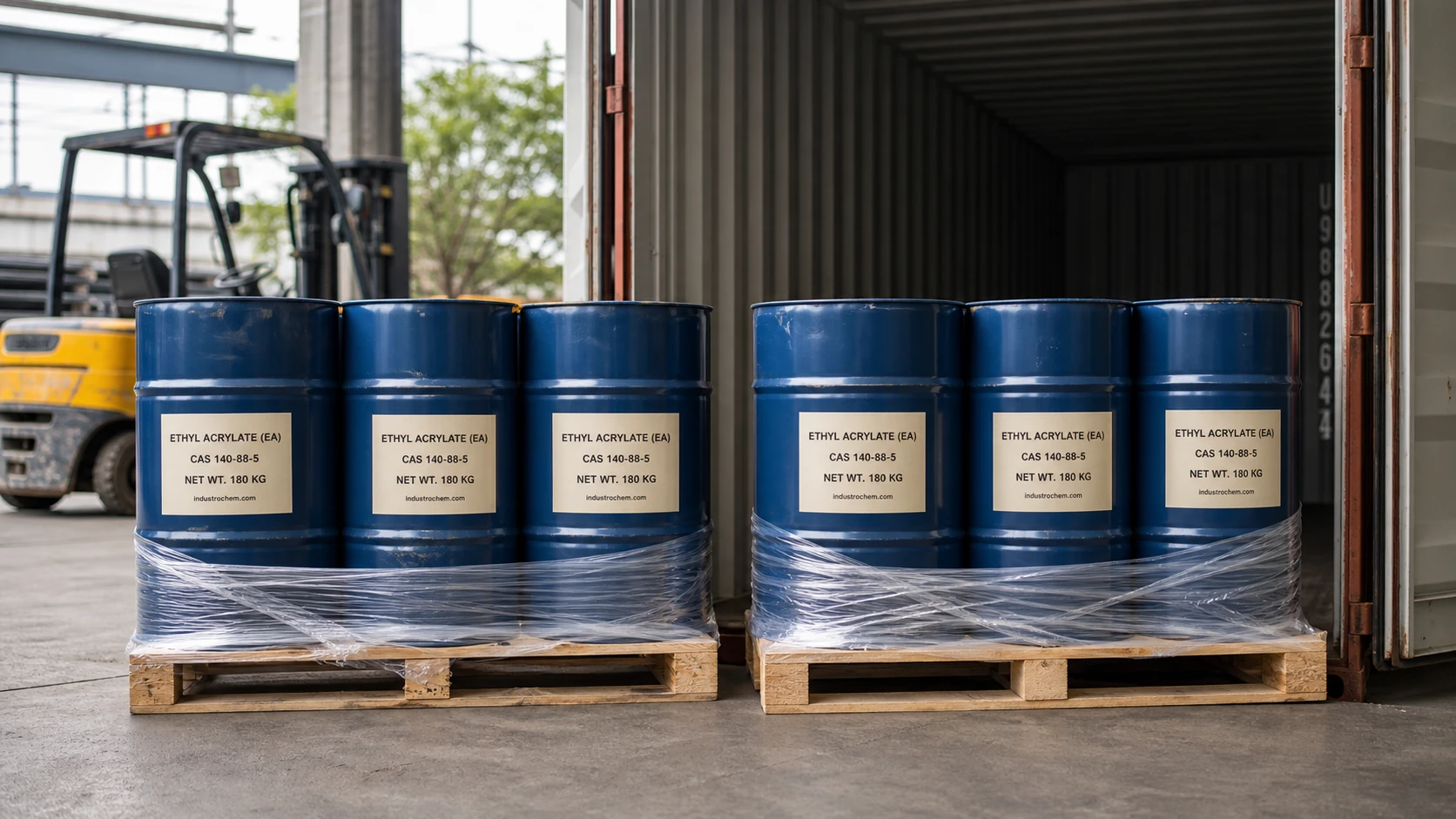
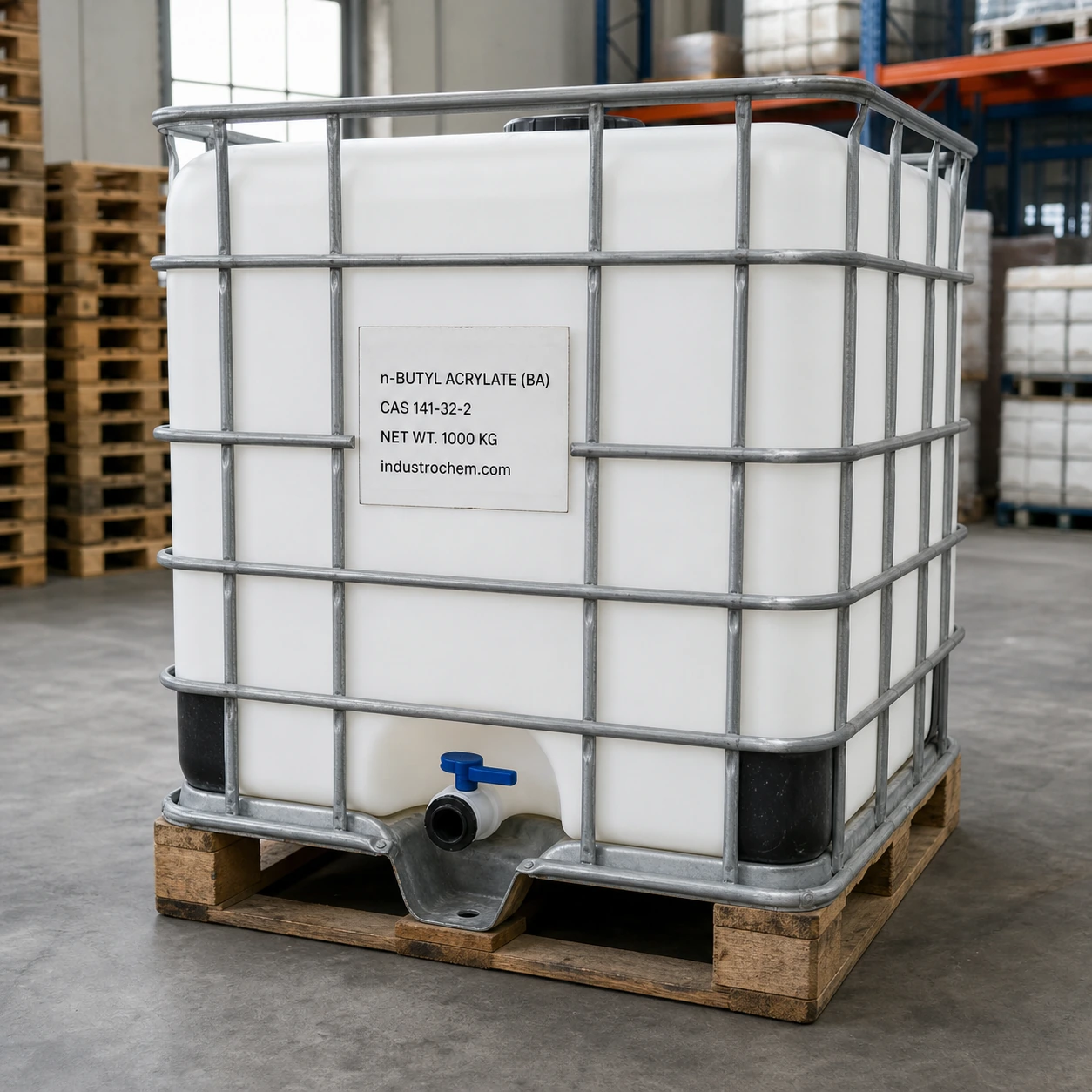
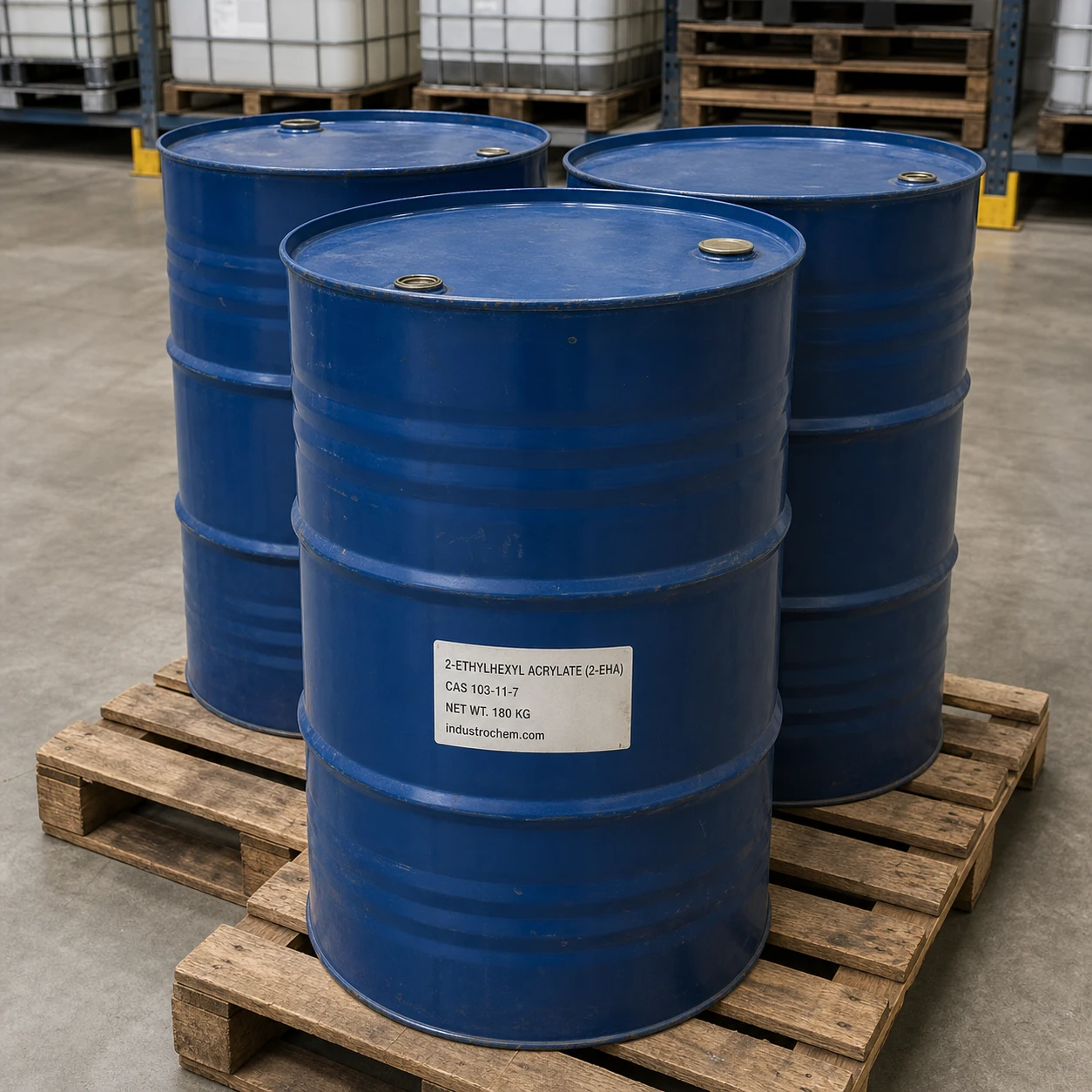
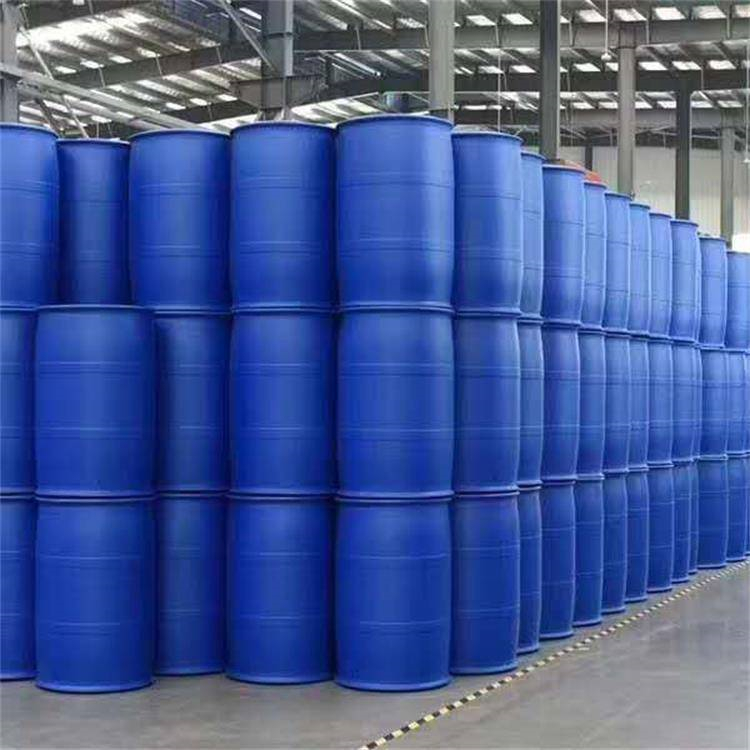
- Package: 180 kg steel drums; 1,000 kg IBCs / ISO tank
Product Description
2-Ethylhexyl Acrylate (2-EHA) CAS 103-11-7 is acrylic acid 2-ethylhexyl ester, with EC 203-080-7 and molecular formula C11H20O2.
Synonyms: Acrylic Acid 2-Ethylhexyl Ester; 2-EHA.
CAS: 103-11-7.
Molecular formula: C11H20O2.
It is supplied as a clear, colourless liquid.
It is positioned as a stabilised acrylic ester monomer for homo- and copolymer manufacture.
It is used as the specified soft-monomer component and is a reactive input, not a finished resin, dispersion or adhesive.
It is used in high-tack acrylic pressure-sensitive adhesives and tape polymers.
It is used in waterborne acrylic dispersions for coatings and binders.
It is used in flexible exterior and automotive coatings and in low-temperature sealants.
It is used in elastomer-modified acrylic copolymer systems.
It has a longer branched ester group and a lower homopolymer Tg around -70 C, giving softer polymer behaviour and greater tack than n-butyl acrylate.
Its low homopolymer Tg makes it an effective soft comonomer for reducing the overall Tg of polymers containing harder monomers such as MMA, styrene or vinyl acetate.
MEHQ inhibitor is used to stabilise it during storage and handling, commonly at about 15 +/- 5 ppm, with the exact type and level agreed for the polymerisation process.
Confirm appearance, purity, water, acidity as acrylic acid, colour and inhibitor type and level.
Typical bulk values include purity 99.0% min, water 0.05% max, acidity 0.01% max, density about 0.885-0.887 g/cm3 and boiling point about 215-219 C.
Store in tightly closed containers in a cool, dry, well-ventilated area, use suitable PPE when handling, and follow the current SDS.
The page is an RFQ entry point and does not state stock, price, MOQ, or fixed lead time.
For an RFQ, state the intended application, required grade, quantity, packaging, destination, and document needs.
FAQ - Technical & Supply Chain
-
Q:
What is 2-Ethylhexyl Acrylate 2-EHA CAS 103-11-7?
A: 2-Ethylhexyl Acrylate, commonly abbreviated 2-EHA, is an acrylic ester monomer with molecular formula C11H20O2. It is a reactive soft monomer used in homo- and copolymer manufacture, not a finished resin, dispersion or adhesive. -
Q:
How does 2-EHA differ from n-Butyl Acrylate?
A: 2-EHA has a longer branched ester group and a lower homopolymer Tg, around -70 deg C, so it usually gives softer polymer behaviour, greater tack and better low-temperature flexibility than n-butyl acrylate. The two monomers are not direct substitutes. -
Q:
Why is the low glass transition temperature of 2-EHA important?
A: A low homopolymer Tg makes 2-EHA an effective soft comonomer for reducing the overall Tg of acrylic polymers containing harder monomers such as MMA, styrene or vinyl acetate. This helps create flexible coatings, pressure-sensitive adhesives and elastomeric copolymers without a migrating plasticizer. -
Q:
What are the main applications of 2-EHA?
A: 2-EHA is used in high-tack pressure-sensitive adhesives and tapes, waterborne acrylic dispersions, flexible exterior and automotive coatings, low-temperature sealants, and elastomer-modified acrylic copolymers. -
Q:
Why is inhibitor control required for 2-Ethylhexyl Acrylate?
A: 2-EHA is an acrylic monomer that can polymerise readily, so MEHQ inhibitor is used to stabilise it during storage and handling. A common commercial level is about 15 +/- 5 ppm, but the exact inhibitor type and level must be agreed for the planned polymerisation process. -
Q:
Which 2-EHA specification points should be confirmed before use?
A: Confirm appearance, purity, water, acidity as acrylic acid, colour and inhibitor type and level. Typical bulk values include purity 99.0% min, water 0.05% max, acidity 0.01% max, density about 0.885-0.887 g/cm3 and boiling point about 215-219 deg C.
Ordering & Documentation
Key information for document requests, quotations, and supply planning.
Documents
COA, TDS, SDS/MSDS and packing details are available on request.
Quotation
Send the CAS number, grade, quantity, packing preference and destination.
Sample & Supply
Support is available for samples, trial orders, bulk and repeat supply.
Storage & Shipping
Product-specific conditions are confirmed before order.