Tannic Acid, a naturally occurring polyphenol identified by CAS 1401-55-4, is a complex organic compound widely utilized for its astringent and chelating properties in diverse industrial sectors. This chemical substance functions as a versatile coordinating agent, facilitating the stabilization of proteins and the precipitation of alkaloids in beverage clarification and pharmaceutical purification processes. In industrial metal finishing and textile manufacturing, it serves as a critical mordant and anti-corrosive primer, ensuring superior dye fixation and long-term surface protection for metallic substrates. We provide this material with competitive factory pricing, supporting requirements for customized specifications to meet specific purity grades ranging from industrial to high-purity technical standards. All shipments are accompanied by comprehensive MSDS, TDS, COA documentation to ensure full regulatory traceability and are available for bulk supply to support continuous large-scale manufacturing operations.
Tannic Acid CAS 1401-55-4
- CAS: 1401-55-4
- Synonyms: Gallotannic acid, Tannins, Tanninum, Digallic acid, Gallotannin
- Einecs: 215-753-2
- Molecular Formula: C76H52O46
- Grade: Industrial grade 99%
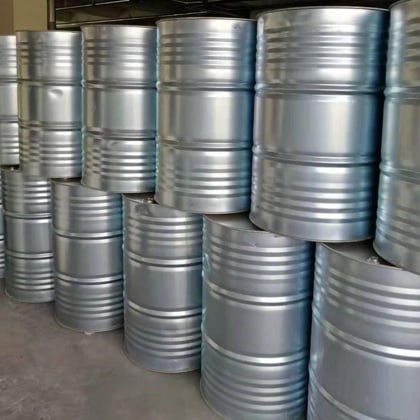
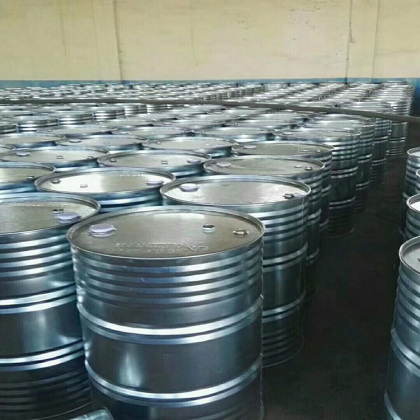
- Package: 200kg iron drum or 50kg plastic drum packing
Product Description
Gallotannin, Tannin
Synonyms: tannic acid, tannic acid, tannin acid, tannin, difold acid, larch gum, gallic tannic acid, tannin, tannic acid, tannic acid, soft acid.
EINECS Number: 215-753-2
Chemical Formula: C76H52O46
Relative Molecular Weight: 1701.20
Characteristics: Light yellow to light brown amorphous powder or loose shiny scaly or spongy solid, blackened when exposed to air. It is odorless, has a slight peculiar odor, has a strong astringent taste, and darkens in the light and air. Soluble in water, easily soluble in ethanol, acetone and glycerin, almost insoluble in ether, benzene, chloroform and petroleum ether. It has a slight special smell and a strong astringent taste.
Melting point: 210~215°C
Flash point: 187°C
Storage: suitable for storageaway from light
Wrap; 25kg bag
Uses: Precipitation and gravimetric determination of beryllium, aluminum, gallium, indium, niobium, tantalum and zirconium. Ratio determination of copper, iron, vanadium, cerium and cobalt. Precipitant for proteins and alkaloids. Ammonium molybdate external indicator when titrating lead. Dye mordant. It can also be used as an astringent, which can predispose proteins and form insoluble complexes with alkaloids, glycosides and heavy metals. Mainly used locally, its 11% to 20% ointment is used for exudative ulcers, burns, bedsores, hemorrhoids, eczema, etc., its 15% to 20% glycerin solution is used for stomatitis, tonsillitis and pharyngitis, etc., but also for detoxification, for the poisoning of dehydrated morphine, strife, digitalis, lead, silver, copper, zinc, etc., its solution can be used to lavate the stomach, and now it has been replaced with other antidotes; When used for colonography, add 0.25-0.5% enema of this product to the barium sulfate enema to clean the colon and facilitate development.
FAQ - Technical & Supply Chain
-
Q:
How is the solubility of Tannic Acid verified for aqueous industrial formulations?
A: The material identity is confirmed via CAS 1401-55-4, and its technical grade is monitored for rapid dissolution in water and ethanol, ensuring consistent viscosity and reactive surface area for industrial tanning and dyeing processes. -
Q:
Is Tannic Acid suitable for use as a rust converter in industrial coating systems?
A: Yes, this compound is typically applied as a functional additive in metal primers to convert iron oxides into stable ferric tannate complexes, intended for professional industrial surface treatment rather than general consumer use.
Documents and Product Support
For product review and sourcing evaluation, supporting documents can be coordinated according to the product type, inquiry stage, and order requirements.
- COA for batch-based quality reference
- TDS for key physical and chemical information
- SDS / MSDS for handling, storage, and safety reference
- Packing information for sample, trial, and bulk orders
- Technical communication based on application and specification requirements
Information to Confirm Before Quotation
Clear sourcing information helps reduce specification mismatch and allows a more accurate quotation before sample or bulk order discussion.
- Product name and CAS number
- Application or intended end use
- Required purity, grade, or specification
- Sample quantity, trial order, or bulk demand
- Preferred packing form or net weight
- Destination country or port
- Required documents or compliance expectations
Packaging, Storage, and Handling Notes
Packaging form, storage conditions, shelf life, and shipment arrangements should be confirmed according to the product characteristics, package size, and destination requirements.
Before order confirmation, buyers are advised to review the corresponding product documents and confirm whether any special storage, labeling, or handling requirements apply.
Sample, Bulk Order and Repeat Supply Support
Support can be arranged for sample discussion, bulk supply planning, packaging confirmation, and routine sourcing communication based on the actual product and order requirements.
For repeat-use formulations or long-term procurement plans, buyers may discuss specification consistency, packaging preferences, delivery expectations, and document coordination in advance.