
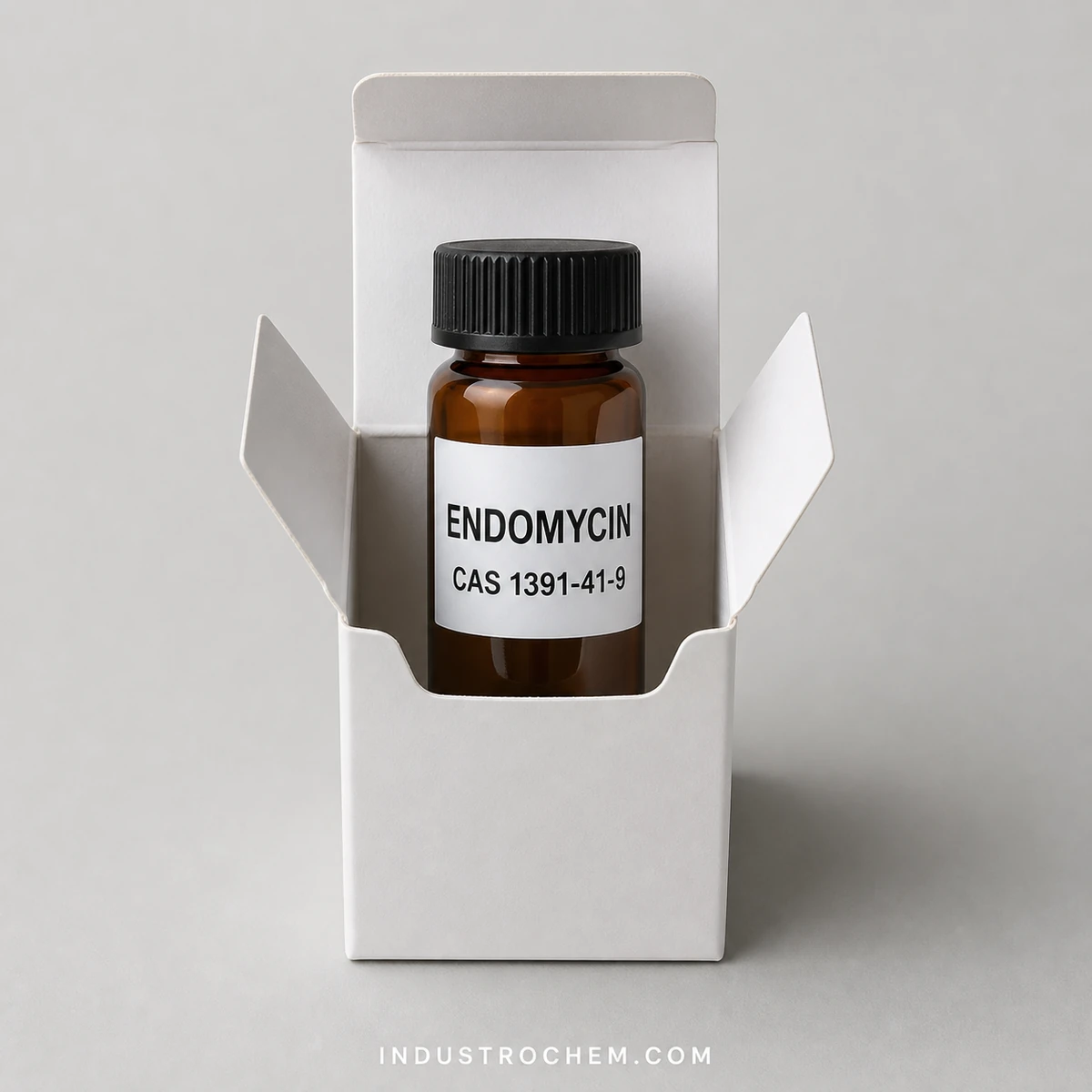
Endomycin, CAS 1391-41-9, is a fermentation-derived antibiotic complex associated with Streptomyces endus. Material selection depends on the component profile and biological activity, rather than a single purity figure.
Endomycin CAS 1391-41-9
- CAS: 1391-41-9
- Synonyms: Endomycin; Helixin (historical synonym of the complex)
- Molecular Formula: Antibiotic complex; no single molecular formula.
- Grade: Composition and biological-activity specification agreed for the intended evaluation.
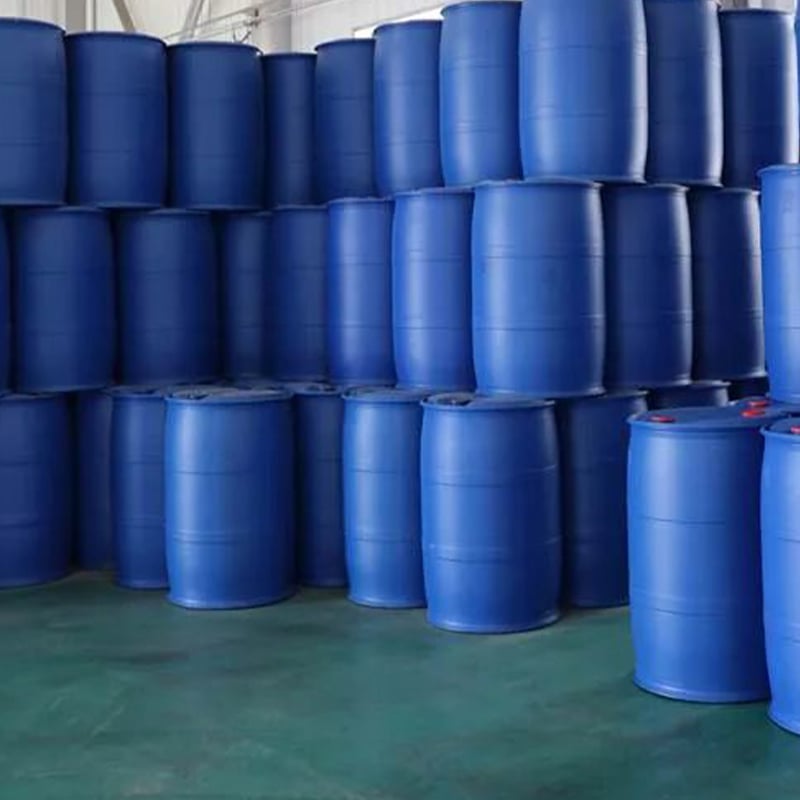
- Package: Pack size and protective container specified in the quotation.
Product Description
Identity and Material Selection
Original isolation studies distinguish polyene components, including Endomycin A and B, from a non-polyene portion containing scopafungin and other components. A separated component or enriched fraction is not equivalent to the whole Endomycin complex; its molecular properties must not be assigned to the entire material.
For an Endomycin quotation, send the intended evaluation, required activity or component specification, quantity and destination. The supplied preparation and acceptance criteria are defined in the offer; the name alone does not establish a pharmaceutical grade or approved therapeutic use.
Quality Data and Documents
COA (Certificate of Analysis), TDS (Technical Data Sheet) and SDS (Safety Data Sheet) can be provided, covering the material identity, supplied form, assay basis and handling information. Chromatographic profiles and microbiological activity data can also be provided for the specified preparation, with the method and reporting units stated.
| Quality Item | Reporting Basis |
|---|---|
| Component profile | Complex, enriched fraction or isolated component, identified for the supplied preparation. |
| Biological activity | Assay method, test organism, reference standard and units stated with the result. |
| Chromatographic profile | Assessed components and method stated; peak-area percentage distinguished from quantitative content. |
| Physical form and storage | Supplied form, storage and retest conditions specified for the preparation. |
Published studies use chromatography to separate or compare Endomycin components and microbiological assays to measure activity. An HPLC peak-area percentage is not automatically a mass fraction or a potency result. Compare like preparations using a consistent reference standard, test method and reporting basis.
Related Process Materials
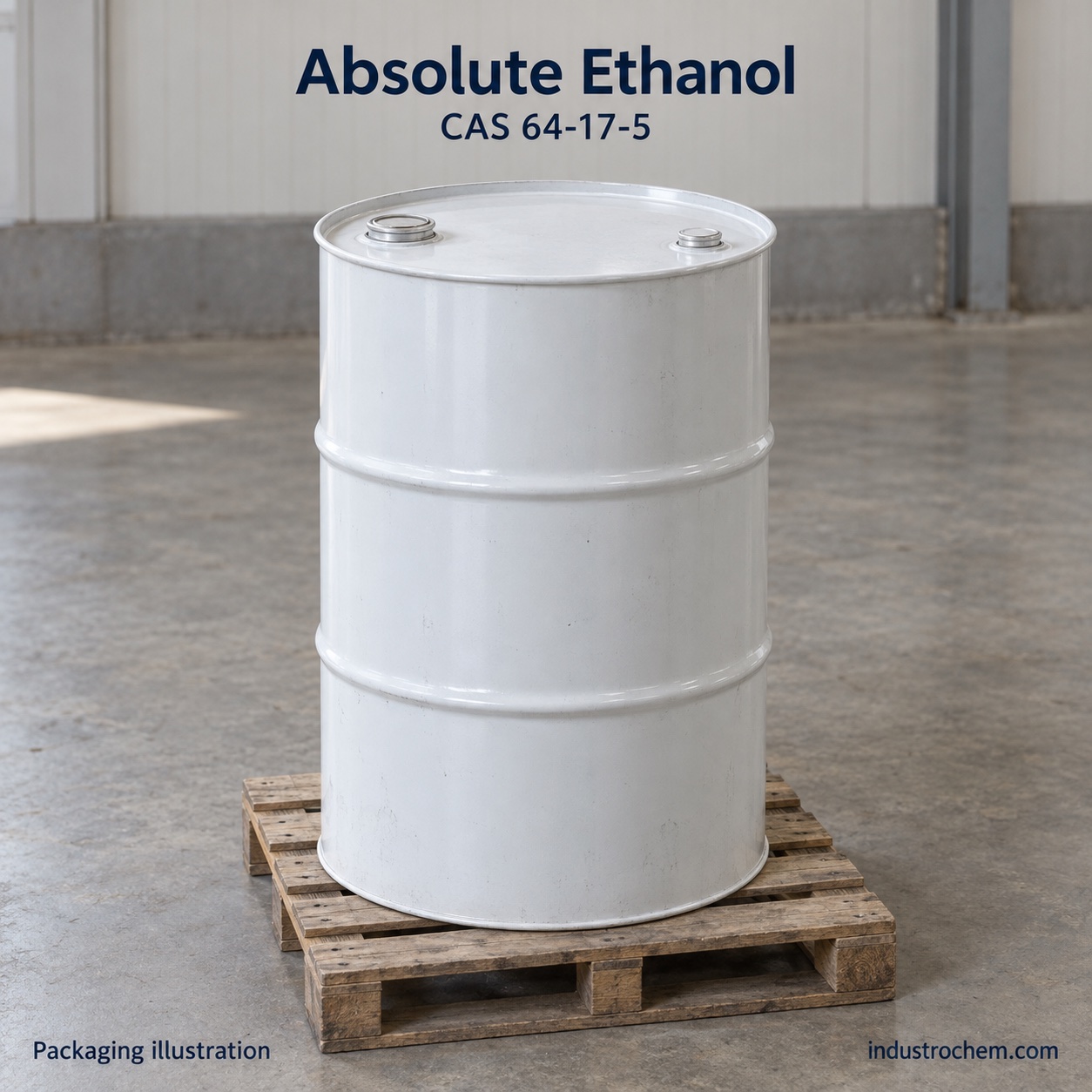
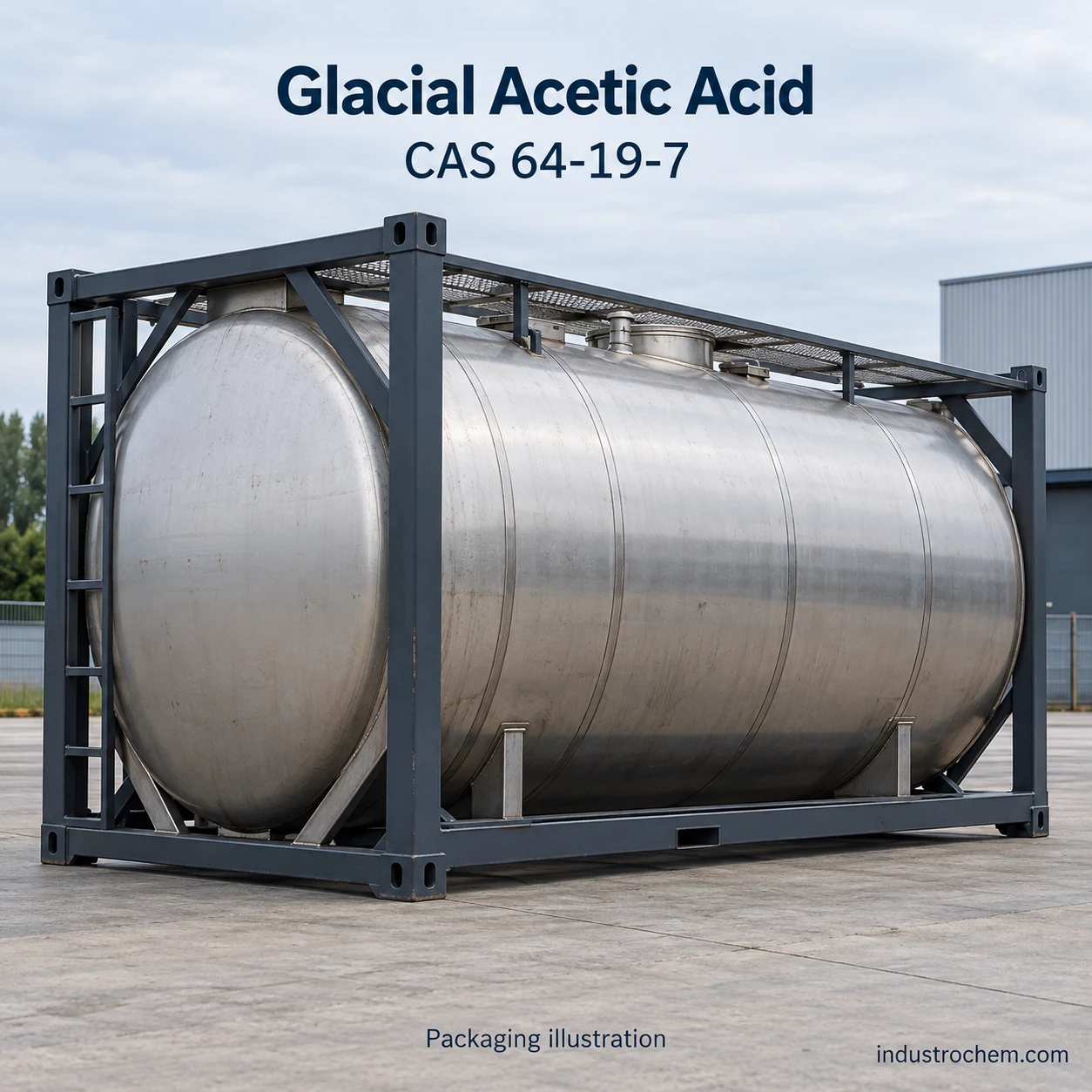
Historical Endomycin isolation methods describe extraction with n-butanol, re-dissolution with ethanol, and pH adjustment with sodium bicarbonate and acetic acid. These are related process materials, not substitutes for Endomycin. Solvent concentration, water content, denaturants and impurity limits must match the intended method; an industrial grade is not automatically an analytical grade.
Storage and Handling
Keep the specified preparation in its closed protective container and use the temperature, light-protection and retest conditions stated in its TDS or COA. Handling, exposure controls and disposal follow the corresponding SDS; conditions for an isolated component do not automatically apply to the complex.
FAQ - Technical & Supply Chain
-
Q:
Is Endomycin CAS 1391-41-9 the same as neomycin sulfate?
A: No. Neomycin sulfate is CAS 1405-10-3, and Endomycin also appears among its names in the FDA substance record. This page concerns the Endomycin antibiotic complex listed under CAS 1391-41-9. Use the CAS number together with the component and activity specification to avoid a name-only mismatch. -
Q:
Can a high HPLC percentage replace Endomycin activity data?
A: No. A chromatogram describes the components detected under its analytical conditions, whereas a microbiological assay measures activity against a specified test organism. The two results answer different questions; a single peak-area percentage does not establish the potency or composition of every Endomycin preparation.
Ordering & Documentation
Key information for document requests, quotations, and supply planning.
Documents
Tell us which documents your procurement team needs. Before an order, we will check whether the quoted source can provide them for the offered lot.
Quotation
Send the CAS number, grade, quantity, packing preference and destination.
Sample & Supply
Ask whether samples, trial quantities or repeat orders are possible. We will check each request against the sourced product and current offer.
Storage & Shipping
Product-specific conditions are confirmed before order.