









Chemical products
  • Dimethyl Isophthalate (DMI) CAS 1459-93-4
  • Dimethyl Isophthalate (DMI) CAS 1459-93-4

Dimethyl Isophthalate (DMI) CAS 1459-93-4

Dimethyl Isophthalate, commonly abbreviated DMI, CAS 1459-93-4, is a crystalline aromatic diester supplied for selected polyester and resin systems. Confirm the required grade, then request a quotation with COA/TDS/SDS for bulk supply.

  • CAS: 1459-93-4
  • Synonyms: Dimethyl Isophthalate, DMI, Dimethyl m-phthalate, Dimethyl benzene-1,3-dicarboxylate
  • Einecs: 215-951-9
  • Molecular Formula: C10H10O4
  • Grade: Polyester Resin Grade
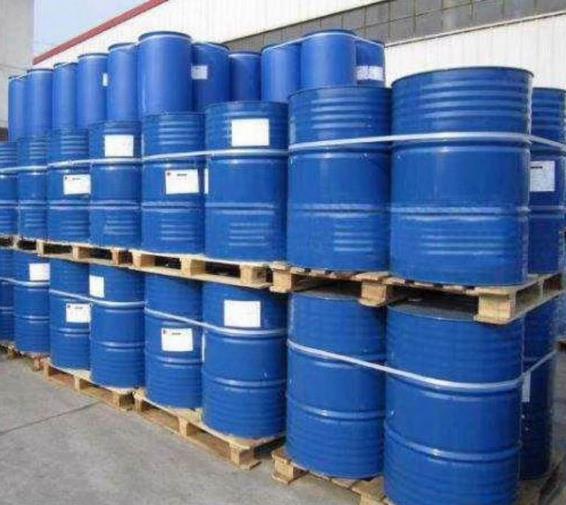
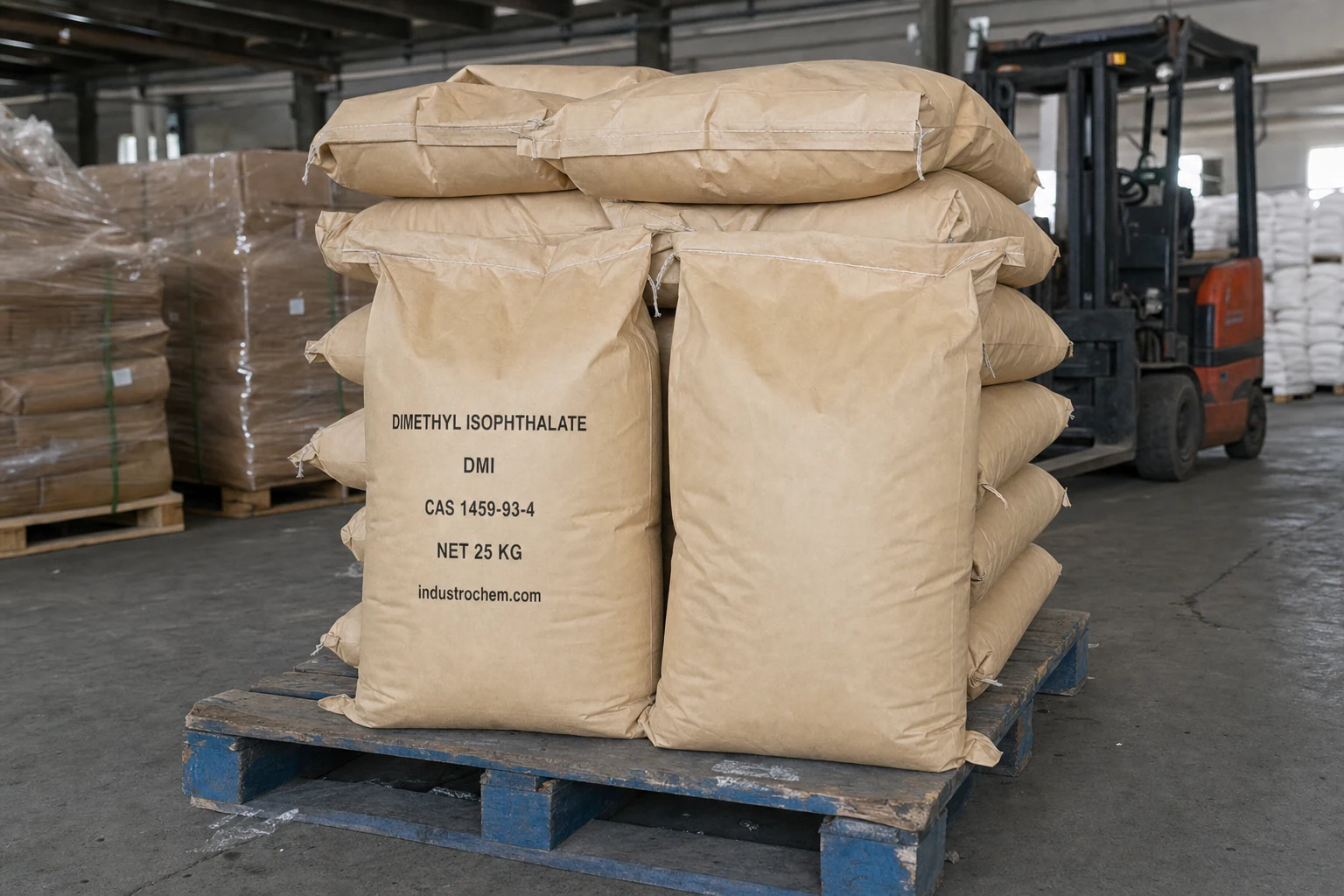
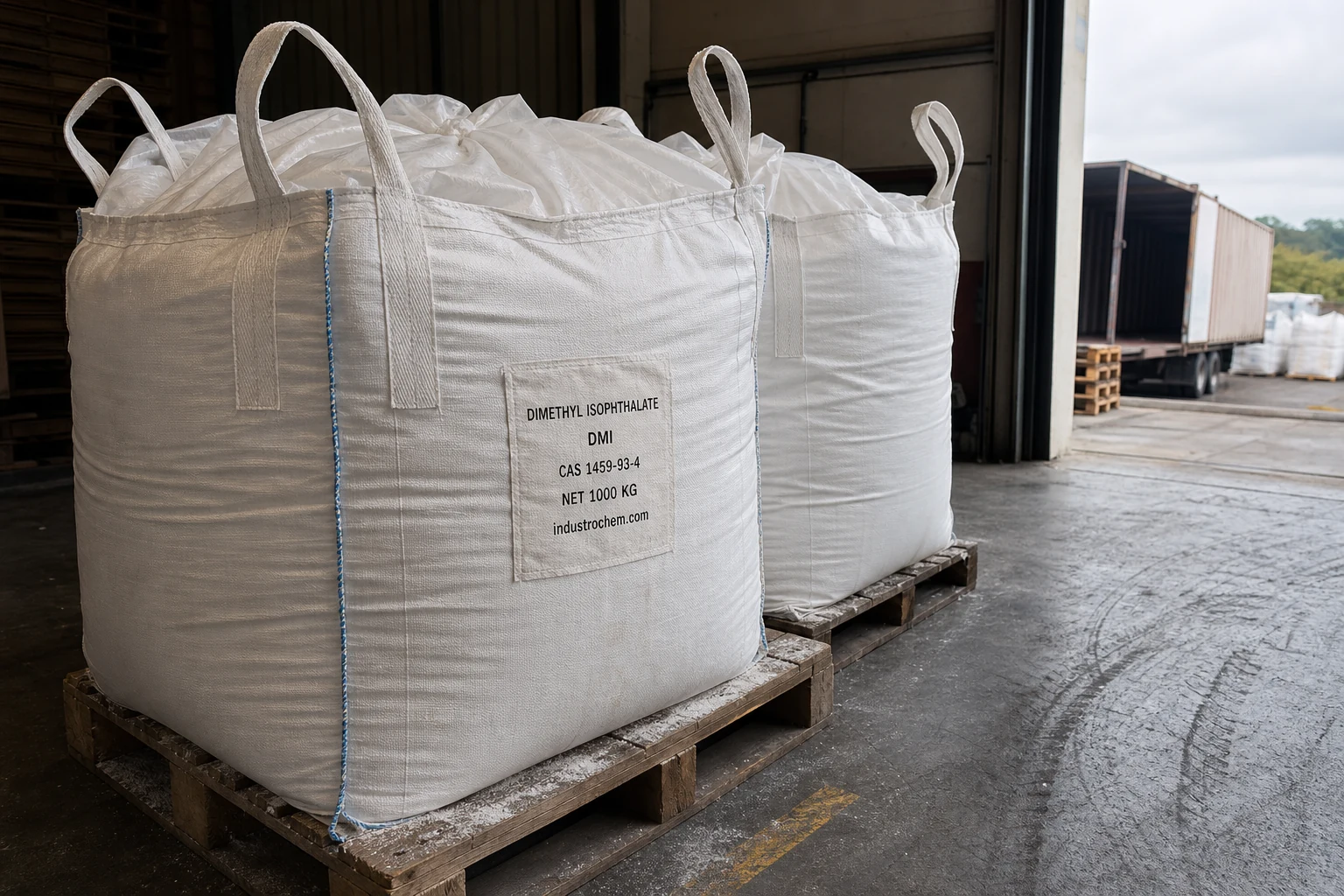
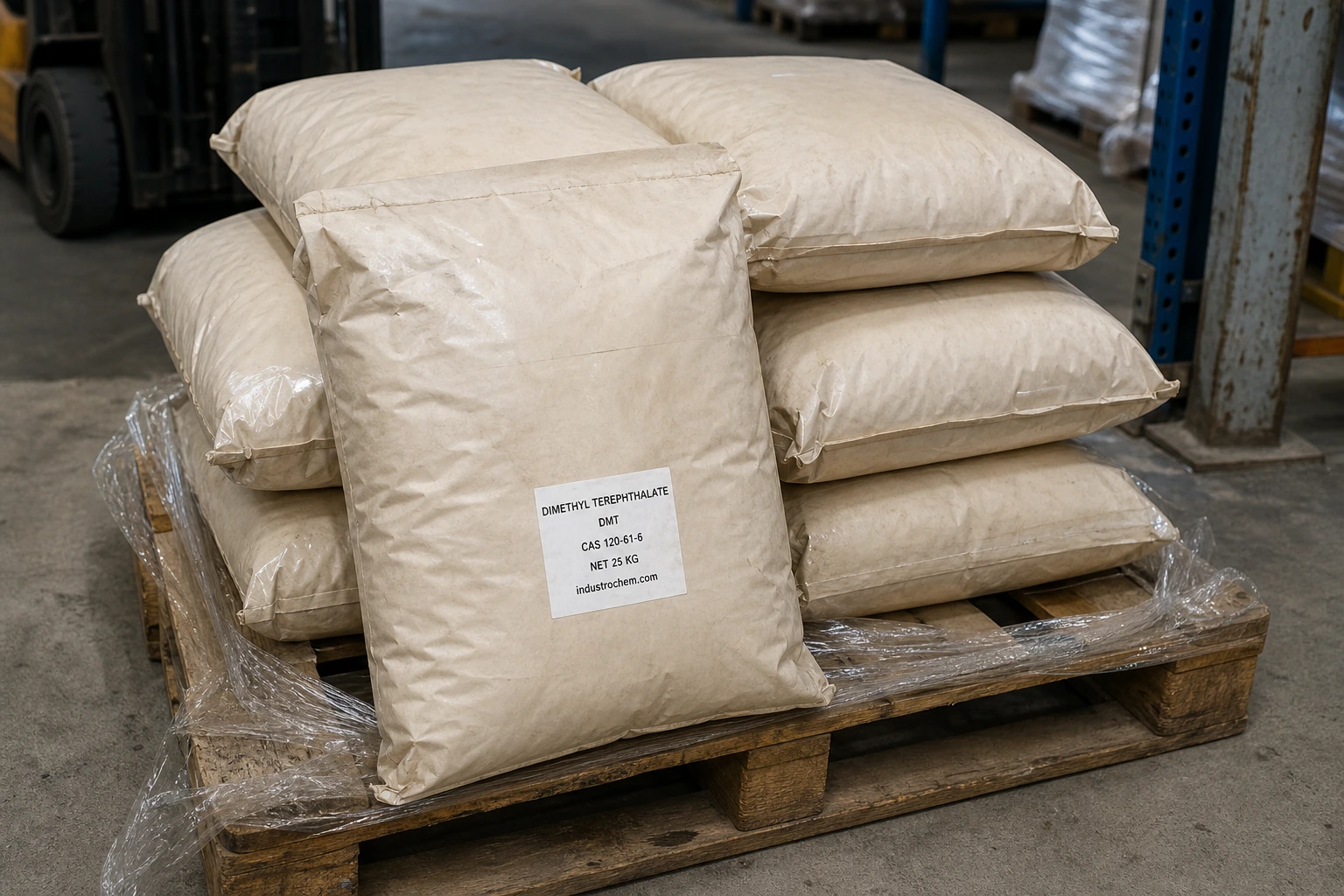
  • Package: 25 kg sacks; 500 kg / 1000 kg FIBC bulk bags
Request a quote
Share:

Product Description

Dimethyl Isophthalate (DMI) CAS 1459-93-4 is dimethyl benzene-1,3-dicarboxylate, with EC 215-951-9 and molecular formula C10H10O4.

Synonyms: Dimethyl Isophthalate; DMI; Dimethyl m-phthalate; Dimethyl benzene-1,3-dicarboxylate.

CAS: 1459-93-4.

Molecular formula: C10H10O4.

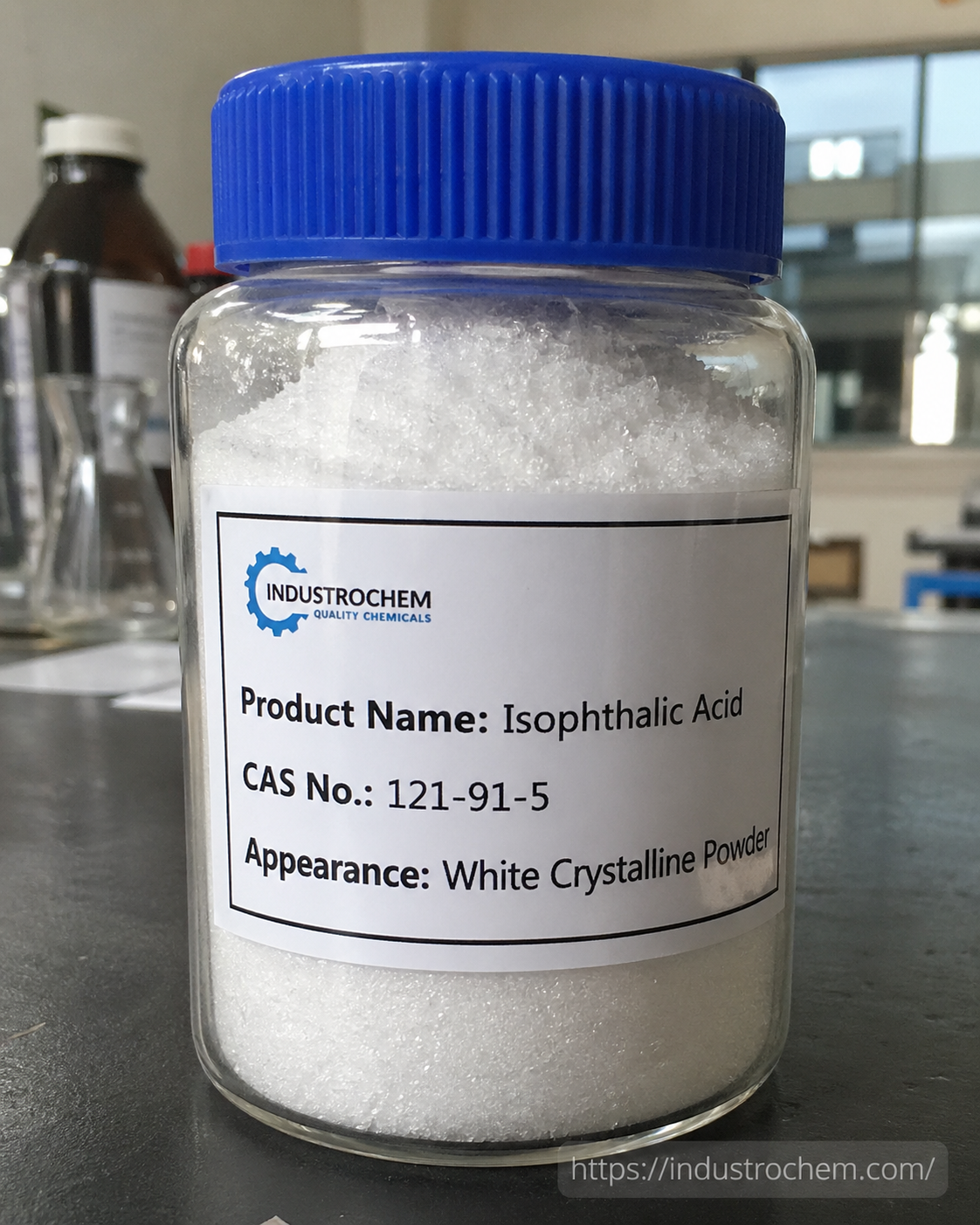
It is supplied as a white crystalline flake or powder.

It is positioned as a crystalline aromatic diester for selected polyester and resin systems.

Material identity is confirmed as DMI rather than Dimethyl Terephthalate or dimethyl phthalate, which are not interchangeable in a resin recipe.

It is used in polyester resin manufacture requiring an isophthalate component in the resin design.

It is used in specialty copolyester and polyester-film formulations as a comonomer or modification intermediate.

It is used in polyacrylate resin and other polymer-intermediate manufacturing routes.

It is used in selected polyester bottle-resin formulations to manage crystallisation behaviour and clarity.

It is used in specialty resin and plasticizer intermediate synthesis that specifies dimethyl isophthalate.

It is the meta-isomer, introducing an isophthalate unit, distinct from the terephthalate unit of DMT and the ortho-isomer dimethyl phthalate.

It has a melting point around 66-69 C and density near 1.15 g/cm3.

The meta arrangement of the ester groups disrupts regular chain packing, which can reduce crystallinity and improve clarity or processability.

Confirm assay, colour, acid value, moisture limit and test method against the specified formulation.

Store dry in closed packaging, use suitable PPE when handling, and follow the current SDS.

The page is an RFQ entry point and does not state stock, price, MOQ, or fixed lead time.

For an RFQ, state the intended application, required grade, quantity, packaging, destination, and document needs.

FAQ - Technical & Supply Chain

  • Q:

    What is Dimethyl Isophthalate DMI CAS 1459-93-4?

    A: Dimethyl Isophthalate, commonly abbreviated DMI, is an aromatic diester also called dimethyl m-phthalate or dimethyl benzene-1,3-dicarboxylate. It is used mainly as an isophthalate intermediate or comonomer in polyester and resin manufacture.
  • Q:

    How does DMI differ from Dimethyl Terephthalate and dimethyl phthalate?

    A: DMI is the meta-isomer and introduces an isophthalate unit, while Dimethyl Terephthalate introduces a terephthalate unit and dimethyl phthalate is the ortho-isomer. The three esters are not interchangeable because their different ring positions change polymer structure and performance.
  • Q:

    What are the main applications of Dimethyl Isophthalate?

    A: DMI is used in polyester resins, specialty copolyesters and polyester films where an isophthalate component modifies crystallization behaviour, clarity, flexibility and heat resistance. It also appears in polyacrylate intermediates, engineering plastics and selected plasticizer syntheses.
  • Q:

    Why is DMI used as a polyester modifier?

    A: The meta arrangement of the ester groups disrupts regular chain packing, which can reduce crystallinity and improve clarity or processability in the final polymer. This makes DMI useful for bottle resins, films and engineering plastics requiring controlled crystallization.
  • Q:

    What physical form and typical properties should be expected?

    A: DMI is normally supplied as a white crystalline flake or powder with a melting point around 66-69 C and density near 1.15 g/cm3. It is only slightly soluble in water and more soluble in common organic solvents, so it should be kept dry and stored in closed packaging.

Ordering & Documentation

Key information for document requests, quotations, and supply planning.

Documents

COA, TDS, SDS/MSDS and packing details are available on request.

Quotation

Send the CAS number, grade, quantity, packing preference and destination.

Sample & Supply

Support is available for samples, trial orders, bulk and repeat supply.

Storage & Shipping

Product-specific conditions are confirmed before order.

Contact Form

Use our contact form to send us your questions, suggestions or comments. We will respond as soon as possible.
For a quotation, please include the product name or CAS number, quantity, grade or application, and destination country or port. Tell us if you need a sample, COA, TDS or SDS.