









Chemical products
  • Allyl Chloride CAS 107-05-1
  • Allyl Chloride CAS 107-05-1

Allyl Chloride CAS 107-05-1

Allyl Chloride, CAS 107-05-1, is a reactive chlorinated olefin used to make epichlorohydrin, glycerol and allyl derivatives. Confirm the required purity, impurity profile and handling requirements for the intended process.

  • CAS: 107-05-1
  • Synonyms: 3-Chloropropene, 3-Chloroprop-1-ene, Allyl chloride, 1-Chloro-2-propene, Chloropropylene
  • Einecs: 203-457-6
  • Molecular Formula: C₃H₅Cl
  • Grade: Industrial grade 99%
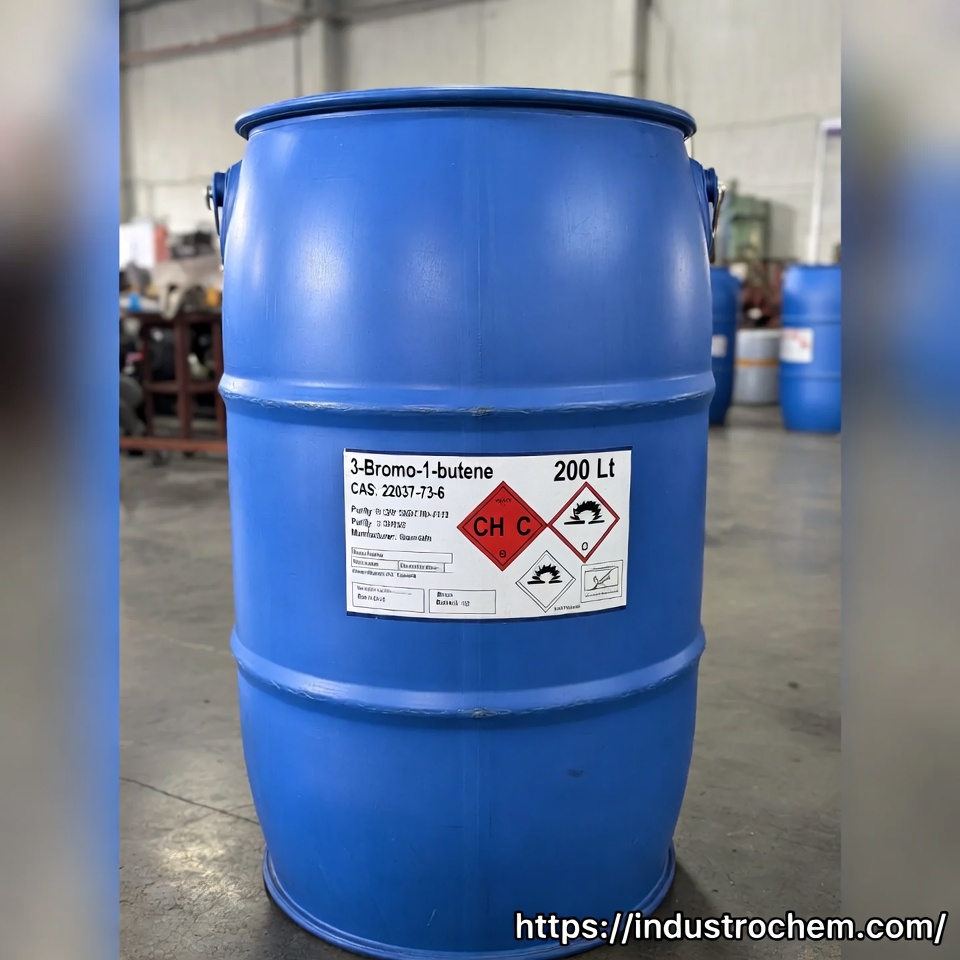
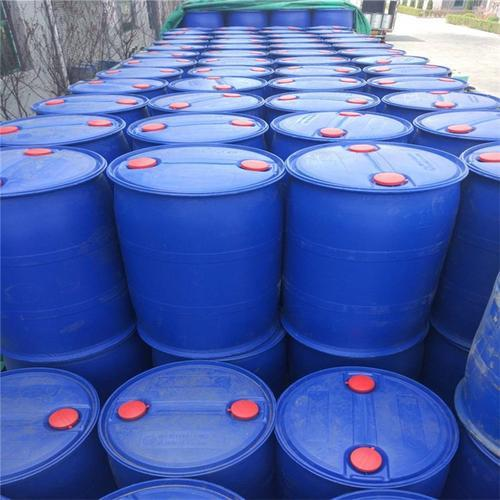
  • Package: 200kg iron drum or 50kg plastic drum packing
Request a quote
Share:

Product Description

Allyl Chloride, CAS 107-05-1, is a chlorinated olefin also named 3-chloropropene or 3-chloroprop-1-ene; the EC/EINECS number is 203-457-6.

Synonyms: 3-Chloropropene; 3-Chloroprop-1-ene; Allyl chloride; 1-Chloro-2-propene; Chloropropylene.

CAS: 107-05-1.

Molecular formula: C₃H₅Cl.

Molecular weight: 76.52.

EC number: 203-457-6.

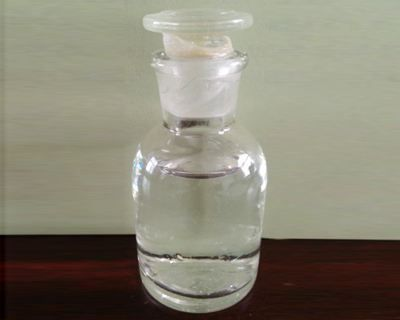
It is a clear, colorless, highly flammable liquid with a pungent, irritating odor that is slightly soluble in water and miscible with ethanol, chloroform, ether and petroleum ether.

Typical properties include melting point about -136 °C, boiling point about 44-46 °C, flash point about -32 °C (closed cup), and relative density about 0.939.

It is widely used as an intermediate to produce epichlorohydrin, glycerin, allyl alcohol and other allyl derivatives, and in the manufacture of synthetic resins.

It is also used in pharmaceuticals, agrochemicals, dyes, silanes and water-treatment polymers, where the allyl group and reactive chlorine atom support substitution and polymerization reactions.

Confirm assay, 2-chloropropene and other chlorinated impurities, water, acidity and color; reactive impurities can affect downstream selectivity, so the impurity profile should match the intended synthesis.

Allyl chloride is highly flammable, volatile, toxic and corrosive. Store in tightly closed, grounded containers in a cool, ventilated flammable-liquid area away from heat, sparks, open flames, strong oxidizers and incompatible materials, and use vapor controls, corrosion-resistant equipment and suitable PPE.

Confirm the current product-specific specification.

Confirm packaging with the requested quantity and destination requirements.

Document requirements should be confirmed from the current specification, SDS, COA, or other product-specific files.

Regulated-use suitability must be confirmed separately with current product-specific documentation.

The page is an RFQ entry point and does not state stock, price, MOQ, or fixed lead time.

For an RFQ, state the intended use, required specification, quantity, packaging, destination, and document needs.

FAQ - Technical & Supply Chain

  • Q:

    What is Allyl Chloride and how is it identified?

    A: Allyl chloride has CAS 107-05-1, molecular formula C₃H₅Cl and molecular weight 76.52. It is also called 3-chloropropene or 3-chloroprop-1-ene, and is a volatile chlorinated olefin.
  • Q:

    What is Allyl Chloride used for?

    A: Allyl chloride is used to produce epichlorohydrin, glycerin, allyl alcohol and allyl derivatives. It is also an intermediate in pharmaceuticals, agrochemicals, dyes and synthetic resins because both its allyl group and chlorine atom can participate in downstream reactions.
  • Q:

    Which specifications should be confirmed when purchasing Allyl Chloride?

    A: Confirm assay, 2-chloropropene and other chlorinated impurities, water, acidity and color. Reactive impurities can affect downstream selectivity, so the impurity profile should match the intended synthesis.
  • Q:

    Why is Allyl Chloride handled as a high-hazard chemical?

    A: Allyl chloride is highly flammable, volatile, toxic and corrosive, with a pungent odor. It has both an alkene bond and a reactive chlorine atom, which makes it useful for synthesis but also requires strict engineering controls and PPE.
  • Q:

    How should Allyl Chloride be stored and handled?

    A: Store allyl chloride in tightly closed, grounded containers in a cool, ventilated flammable-liquid area away from heat, sparks, open flames, strong oxidizers and incompatible materials. Use vapor controls, corrosion-resistant equipment and suitable PPE.

Ordering & Documentation

Key information for document requests, quotations, and supply planning.

Documents

COA, TDS, SDS/MSDS and packing details are available on request.

Quotation

Send the CAS number, grade, quantity, packing preference and destination.

Sample & Supply

Support is available for samples, trial orders, bulk and repeat supply.

Storage & Shipping

Product-specific conditions are confirmed before order.

Contact Form

Use our contact form to send us your questions, suggestions or comments. We will respond as soon as possible.