









• Disperse Violet 26 CAS 6408-72-6
  • Disperse Violet 26 CAS 6408-72-6

Disperse Violet 26 CAS 6408-72-6

Disperse Violet 26 CAS 6408-72-6 is a bright reddish-violet anthraquinone dye chemically defined as 1,4-diamino-2,3-diphenoxyanthracene-9,10-dione , functioning primarily as a high-fastness colorant in the high-temperature dyeing of polyester fibers and the sublimation transfer printing of synthetic textiles. Also recognized as C.I. 62025 or Solvent Violet 59 in polymer applications, this hydrophobic powder is utilized to impart brilliant violet shades with excellent thermal stability to acetate fabrics and serves as a polymer-soluble colorant in the mass coloration of engineering plastics like polystyrene and polycarbonate. We provide professional access to this material with competitive factory pricing and the ability to meet customized specifications for various manufacturing requirements. Our commitment to technical transparency ensures that every shipment is accompanied by comprehensive MSDS, TDS, COA documentation to support your quality assurance protocols, and we maintain capacity for consistent bulk supply to facilitate large-scale industrial operations.

  • CAS: 6408-72-6
  • Synonyms: 1,4-Diamino-2,3-diphenoxyanthraquinone, Solvent Violet 59, 2,3-Diphenoxy-1,4-diaminoanthraquinone, Disperse Red Violet RL
  • Einecs: 229-066-0
  • Molecular Formula: C26H18N2O4
  • Grade: Textile printing and dyeing chemicals
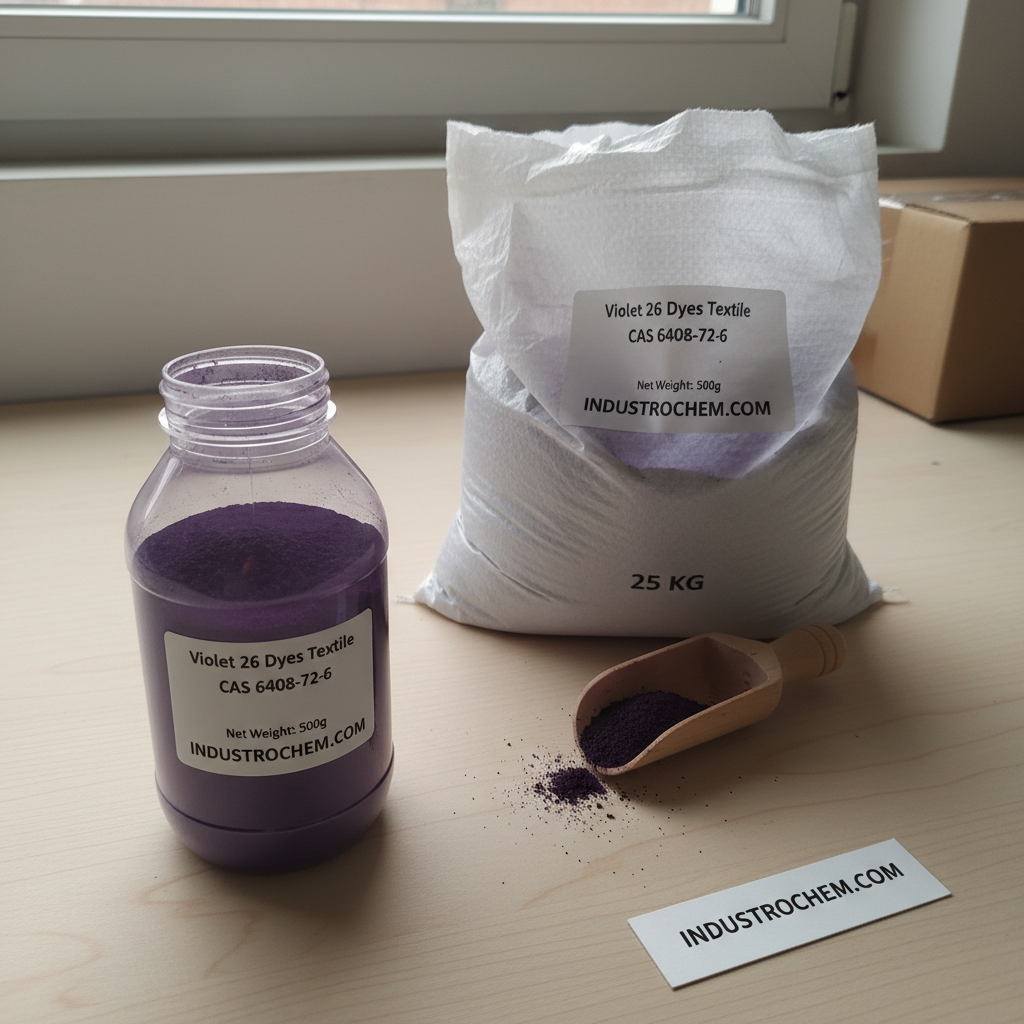
  • Package: 25kg/bag (Plastic woven bag with PE liner) or 500kg/1000kg Jumbo Bag.
Request a quote
Share:

Product Description

Physical & Chemical Properties

To ensure this product fits your technical requirements, please review the typical specifications below.

PropertySpecification
C.I. NameSolvent Violet 59 / Disperse Violet 26
CAS Number6408-72-6
Chemical FamilyAnthraquinone
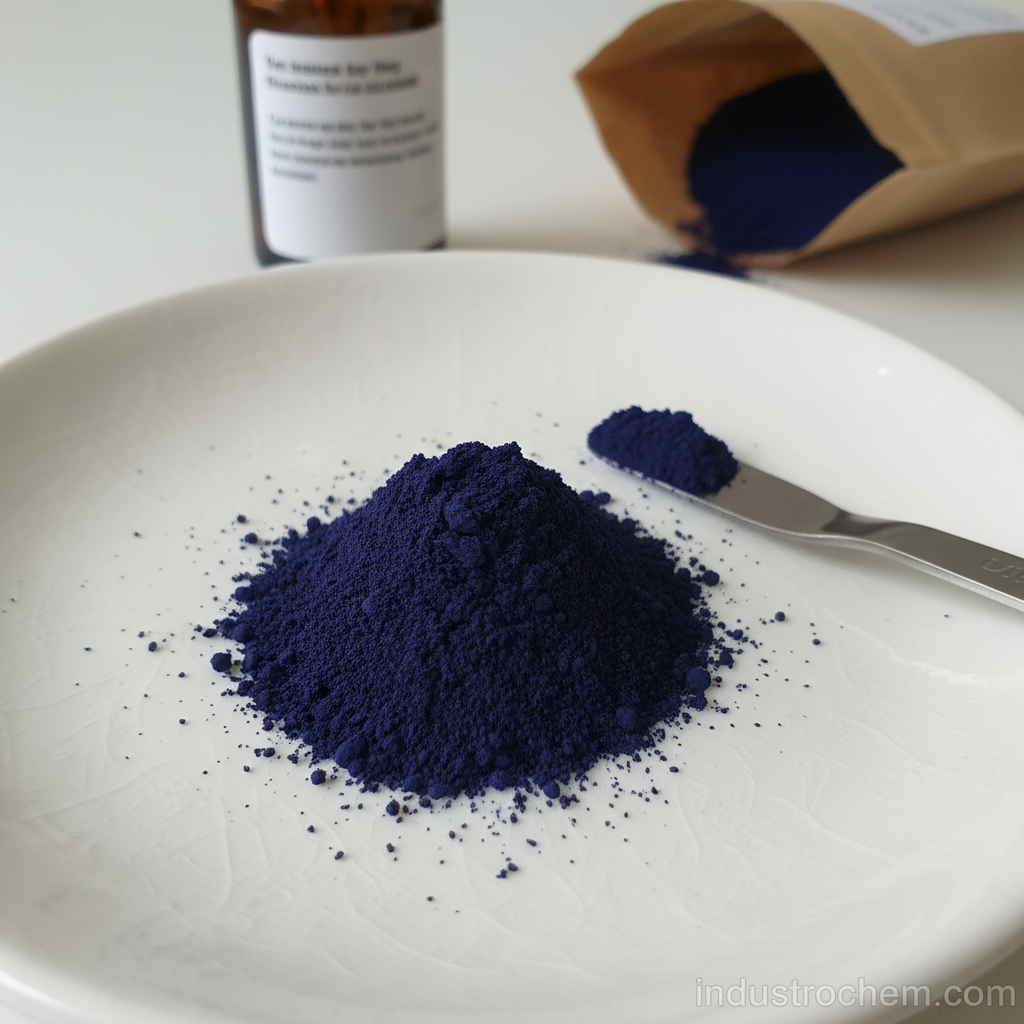
AppearanceDark Purple Powder
ShadeBright Reddish-Violet
Melting Point186°C – 190°C
Heat ResistanceExcellent (Stable up to ~300°C in PS/PET)
Light FastnessGrade 7-8 (Excellent)
Migration ResistanceHigh
SolubilityInsoluble in water; Soluble in organic solvents & polymers

Why Formulators Choose Violet 26

This isn’t just another purple powder. Here is why it is a preferred choice for high-end manufacturing:

  1. Thermal Stability: It can withstand the high temperatures of extrusion and injection molding without breaking down or changing color. This makes it ideal for “dope dyeing” (coloring synthetic fibers during the spinning process).
  2. Vibrant Clarity: It produces a transparent, clean violet hue with a distinct reddish undertone, avoiding the muddy look of cheaper mixes.
  3. Versatility: It works equally well in coloring solid plastics (like ABS, PC, and PS) and synthetic textile fibers (PET/Polyester).

Key Application Fields

1. Textile Fiber Coloring (Dope Dyeing) This is a primary use case. Violet 26 is used in the mass coloration of Polyester (PET) fibers. Because it is added during the spinning phase, the color becomes part of the fiber itself, offering superior wash fastness compared to traditional bath dyeing.

2. Engineering Plastics It is widely used to color various resins, including:

  • Polystyrene (PS) & HIPS
  • ABS (Acrylonitrile Butadiene Styrene)
  • Polycarbonate (PC)
  • PMMA (Acrylic) It is often used to neutralize yellow tones in clear plastics or to create vibrant transparent violet shades.

3. Masterbatches It is a staple ingredient for color masterbatch producers looking for high-concentration pigments that disperse easily.

Safety and Precautionary Measures

Even though Violet 26 has a good safety profile for industrial use, proper handling is necessary to protect your workforce.

  • Dust Management: The powder is fine and can generate dust. Use local exhaust ventilation to keep the air clean.
  • PPE: Operators should wear dust masks, safety glasses, and gloves. Avoid direct skin contact to prevent temporary staining.
  • Ingestion/Inhalation: Do not eat, drink, or smoke in the work area. If dust is inhaled, move to fresh air immediately.

Storage and Handling Conditions

To maintain the dye’s strength and preventing moisture absorption:

  • Sealed Storage: Keep containers (fiber drums or cartons) tightly sealed.
  • Environment: Store in a cool, dry, and ventilated area.
  • Contamination: Keep away from strong oxidizing agents.
  • Shelf Life: typically 5 years when stored correctly in original packaging.

FAQ - Technical & Supply Chain

  • Q:

    Is Disperse Violet 26 (CAS 6408-72-6) chemically stable enough for high-temperature molding processes?

    A: Yes. Due to its anthraquinone structure, CAS 6408-72-6 exhibits superior thermal stability (typically >260°C). This physical property allows it to function not only as a textile dye but also as a "Solvent Dye" (Solvent Violet 59) for coloring rigid thermoplastics like ABS, PC, and PS during injection molding without degradation or color shifting.
  • Q:

    Does this dye require a carrier for dyeing polyester at atmospheric pressure?

    A: Yes. Like most disperse dyes, Disperse Violet 26 has low water solubility. When dyeing polyester at temperatures below 100°C (atmospheric pressure), a "carrier" (swelling agent) is typically required to facilitate the diffusion of the dye molecules into the tight fiber structure; otherwise, high-temperature pressure dyeing (HTP) at 130°C is the standard industrial method.
Documents

Documents and Product Support

For product review and sourcing evaluation, supporting documents can be coordinated according to the product type, inquiry stage, and order requirements.

  • COA for batch-based quality reference
  • TDS for key physical and chemical information
  • SDS / MSDS for handling, storage, and safety reference
  • Packing information for sample, trial, and bulk orders
  • Technical communication based on application and specification requirements
Quotation

Information to Confirm Before Quotation

Clear sourcing information helps reduce specification mismatch and allows a more accurate quotation before sample or bulk order discussion.

  • Product name and CAS number
  • Application or intended end use
  • Required purity, grade, or specification
  • Sample quantity, trial order, or bulk demand
  • Preferred packing form or net weight
  • Destination country or port
  • Required documents or compliance expectations
Storage & Handling

Packaging, Storage, and Handling Notes

Packaging form, storage conditions, shelf life, and shipment arrangements should be confirmed according to the product characteristics, package size, and destination requirements.

Before order confirmation, buyers are advised to review the corresponding product documents and confirm whether any special storage, labeling, or handling requirements apply.

Supply Support

Sample, Bulk Order and Repeat Supply Support

Support can be arranged for sample discussion, bulk supply planning, packaging confirmation, and routine sourcing communication based on the actual product and order requirements.

For repeat-use formulations or long-term procurement plans, buyers may discuss specification consistency, packaging preferences, delivery expectations, and document coordination in advance.

Contact Form

Use our contact form to send us your questions, suggestions or comments. We will respond as soon as possible.