









Methyl Isobutyl Ketone, also identified by its systematic name 4-methylpentan-2-one, is a stable aliphatic ketone and a versatile medium-boiling organic solvent used extensively in industrial coating formulations. This liquid chemical functions primarily through its excellent solvency power for resins, oils, and gums, facilitating the production of durable surface coatings and extraction processes in metallurgical purification. As a key intermediate in the synthesis of rubber antioxidants and specialized solvent systems, it ensures consistent viscosity control and evaporation rates in heavy-duty industrial applications. We provide this material with competitive factory pricing, supporting requirements for customized specifications to meet diverse technical standards. All shipments are accompanied by comprehensive MSDS, TDS, COA documentation to ensure regulatory compliance and are available for bulk supply to support continuous industrial manufacturing cycles.
Methyl Isobutyl Ketone CAS 108-10-1
- CAS: 108-10-1
- Synonyms: 4-Methyl-2-pentanone, MIBK, Isopropylacetone, 4-Methylpentan-2-one, Hexone
- Einecs: 203-550-1
- Molecular Formula: C6H12O
- Grade: Industrial grade 99%
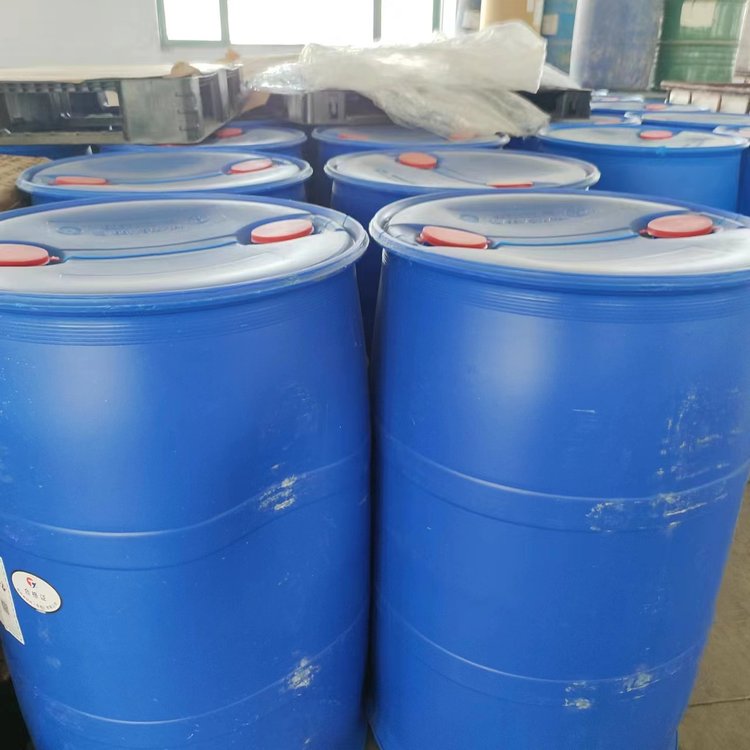
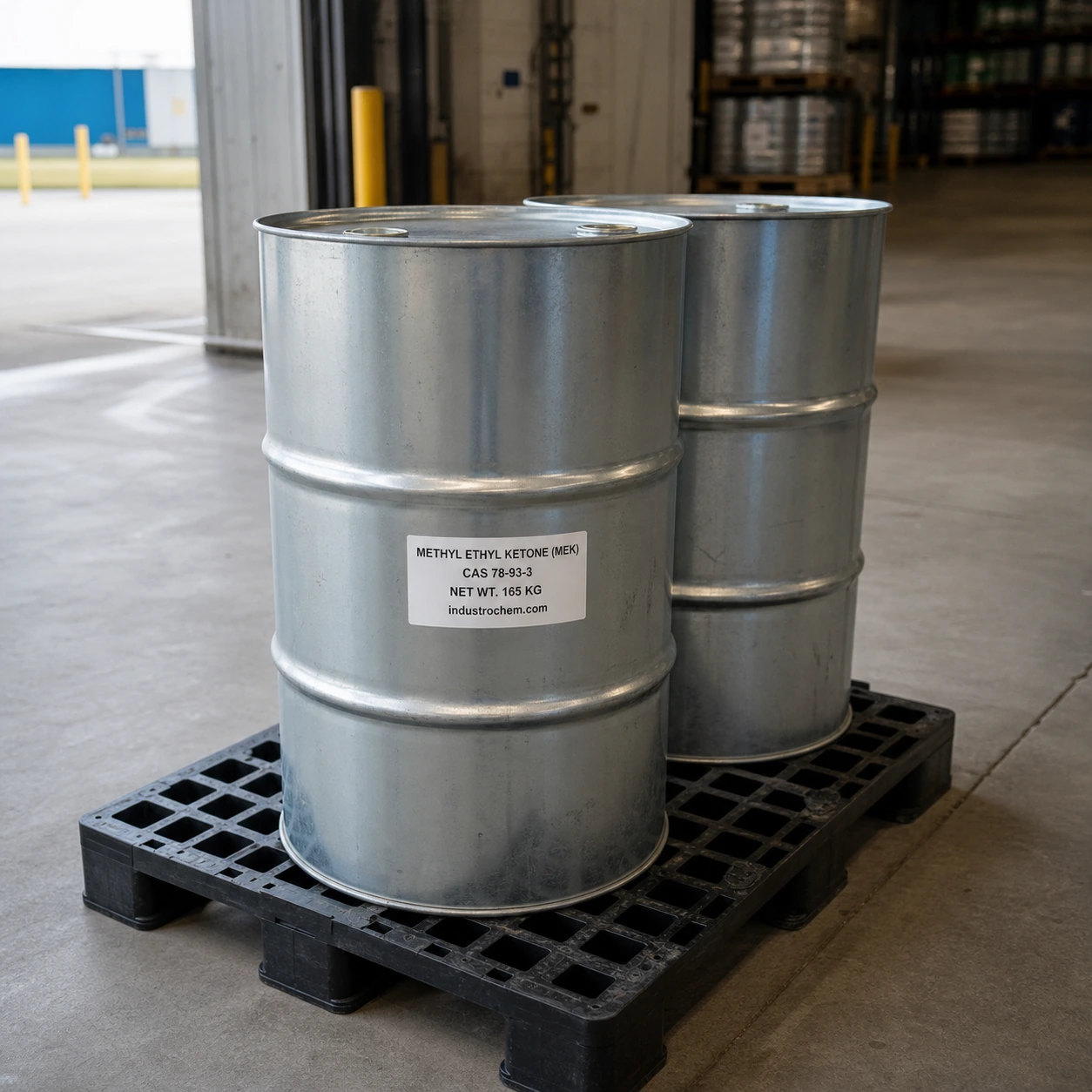
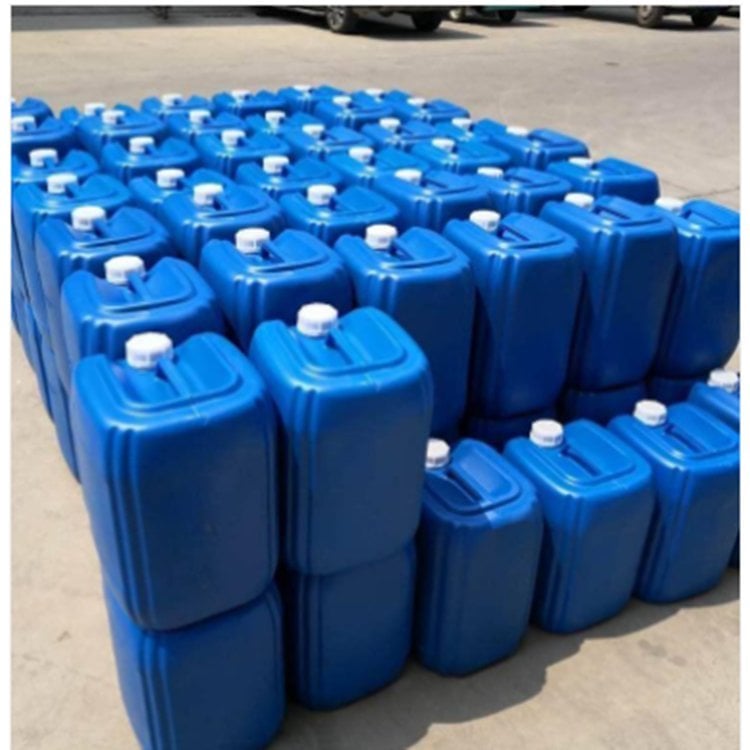
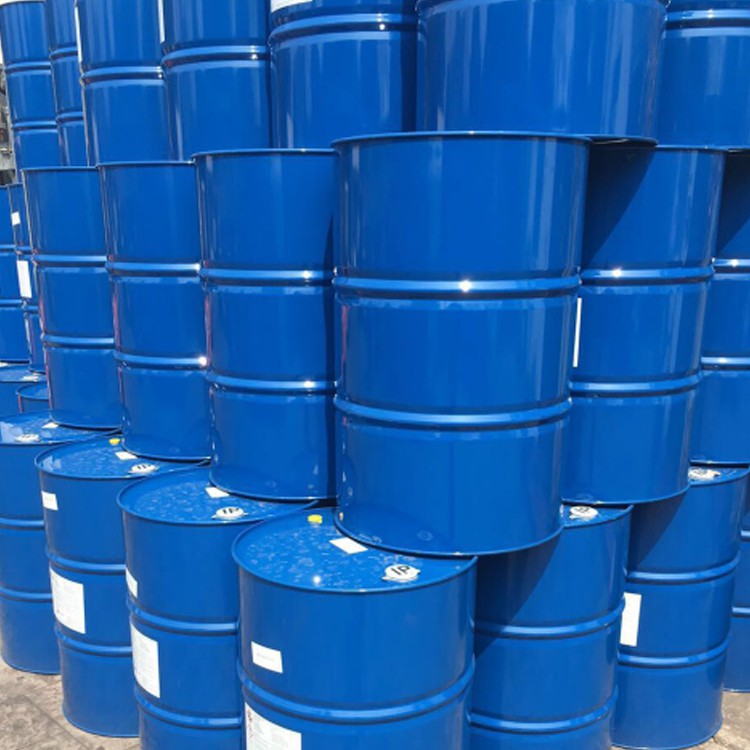
- Package: 200kg iron drum or 50kg plastic drum packing
Product Description
Methyl Isobutyl Ketone (MIBK)
alias: Methyl isobutyl ketones; MIBK; hexacarbon ketone; Methyl isobutyl ketones; Methyl isobutylmethyl ketone
CAS RN 108-10-1
EINECS No. 203-550-1
Molecular formula C6H12O
Molecular quantity 100.1589
Physical and chemical properties Colorless or light yellow oily liquid.
Melting point 12.39°C (11°C),
boiling point 211.9°C (213-214°C), 84.3°C (1.33kPa), relative
density 1.2483 (20/4°C)
refractive index 1.5662.
Flash point 87°C.
Slightly: soluble in water, soluble in ethanol and benzene. There is a strong aldehyde smell.
It is used as an intermediate for medicine and dye. Pesticide mites produced with o-chlorobenzaldehyde can control mites on dry crops and fruit trees. O-chlorobenzaldehyde oxime can be obtained by oxifiation, and o-chlorbenzoxime can be obtained by further chlorination, both of which are drug intermediates.
Solvents for nitrocellulose, resin, gum, etc. Extractants of certain inorganic salts. Organic synthesis
is used as a chromatographic analysis reference material, solvent, and
extractable for fragrances. It is mainly used to prepare rum, cheese and fruit-based flavors.
This product is an excellent medium boiling point solvent. It is used as a mineral separation agent, a solvent for oil product waxing, a coloring agent for color films, and also as a solvent for tetracycline and pyrethrin and DDT, adhesives, rubber glues, and cloth paints for aircraft and models. It is also an effective separator for some inorganic salts, which can separate plutonium from uranium, niobium from tantalum, and zirconium from hafnium. Its peroxide is a very important initiator in the polymerization reaction of polyester resins. It is also used in the organic synthesis industry. It can also be used as an anticoagulant and diluent for ethylene-type resins.
FAQ - Technical & Supply Chain
-
Q:
How is the identity of Methyl Isobutyl Ketone confirmed to distinguish it from other C6 ketones?
A: Methyl Isobutyl Ketone is uniquely identified by CAS 108-10-1 and its specific branched structure, which provides a distinct boiling point and solvency profile compared to linear isomers like 2-hexanone. -
Q:
Is this product intended for use as a component in industrial solvent extraction processes?
A: Yes, this material is typically applied as an extracting agent in the separation of rare earth metals and as a solvent in industrial-scale resin dissolution, rather than for laboratory analytical purposes.
Documents and Product Support
For product review and sourcing evaluation, supporting documents can be coordinated according to the product type, inquiry stage, and order requirements.
- COA for batch-based quality reference
- TDS for key physical and chemical information
- SDS / MSDS for handling, storage, and safety reference
- Packing information for sample, trial, and bulk orders
- Technical communication based on application and specification requirements
Information to Confirm Before Quotation
Clear sourcing information helps reduce specification mismatch and allows a more accurate quotation before sample or bulk order discussion.
- Product name and CAS number
- Application or intended end use
- Required purity, grade, or specification
- Sample quantity, trial order, or bulk demand
- Preferred packing form or net weight
- Destination country or port
- Required documents or compliance expectations
Packaging, Storage, and Handling Notes
Packaging form, storage conditions, shelf life, and shipment arrangements should be confirmed according to the product characteristics, package size, and destination requirements.
Before order confirmation, buyers are advised to review the corresponding product documents and confirm whether any special storage, labeling, or handling requirements apply.
Sample, Bulk Order and Repeat Supply Support
Support can be arranged for sample discussion, bulk supply planning, packaging confirmation, and routine sourcing communication based on the actual product and order requirements.
For repeat-use formulations or long-term procurement plans, buyers may discuss specification consistency, packaging preferences, delivery expectations, and document coordination in advance.