








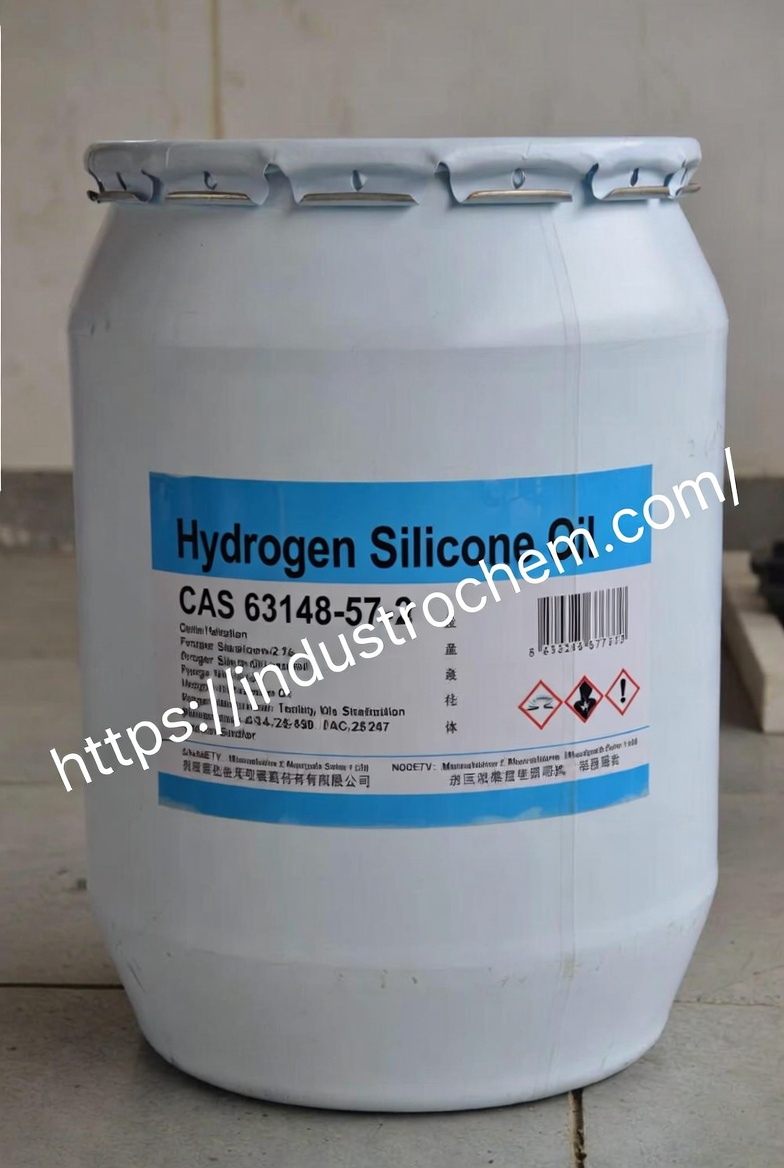
Hydrogen Silicone Oil, also called methylhydrogen silicone oil, hydrogen polysiloxane or PMHS, CAS 63148-57-2, is a reactive polymeric siloxane fluid containing Si-H functionality, supplied as a clear liquid and positioned as a crosslinking and modification component for silicone chemistry. Confirm the required grade, then request a quotation with COA/TDS/SDS for bulk supply.
Hydrogen Silicone Oil (PMHS) CAS 63148-57-2
- CAS: 63148-57-2
- Synonyms: Methylhydrogen Silicone Oil; Hydrogen Polysiloxane; PMHS (Polymethylhydrosiloxane)
- Grade: Industrial silicone fluid (reactive grade)
- Package: Standard liquid silicone packaging
Product Description
Hydrogen Silicone Oil (PMHS) CAS 63148-57-2 is a reactive polymeric siloxane material containing Si-H functionality.
Synonyms: Methylhydrogen Silicone Oil; Hydrogen Polysiloxane; PMHS (Polymethylhydrosiloxane).
CAS: 63148-57-2.
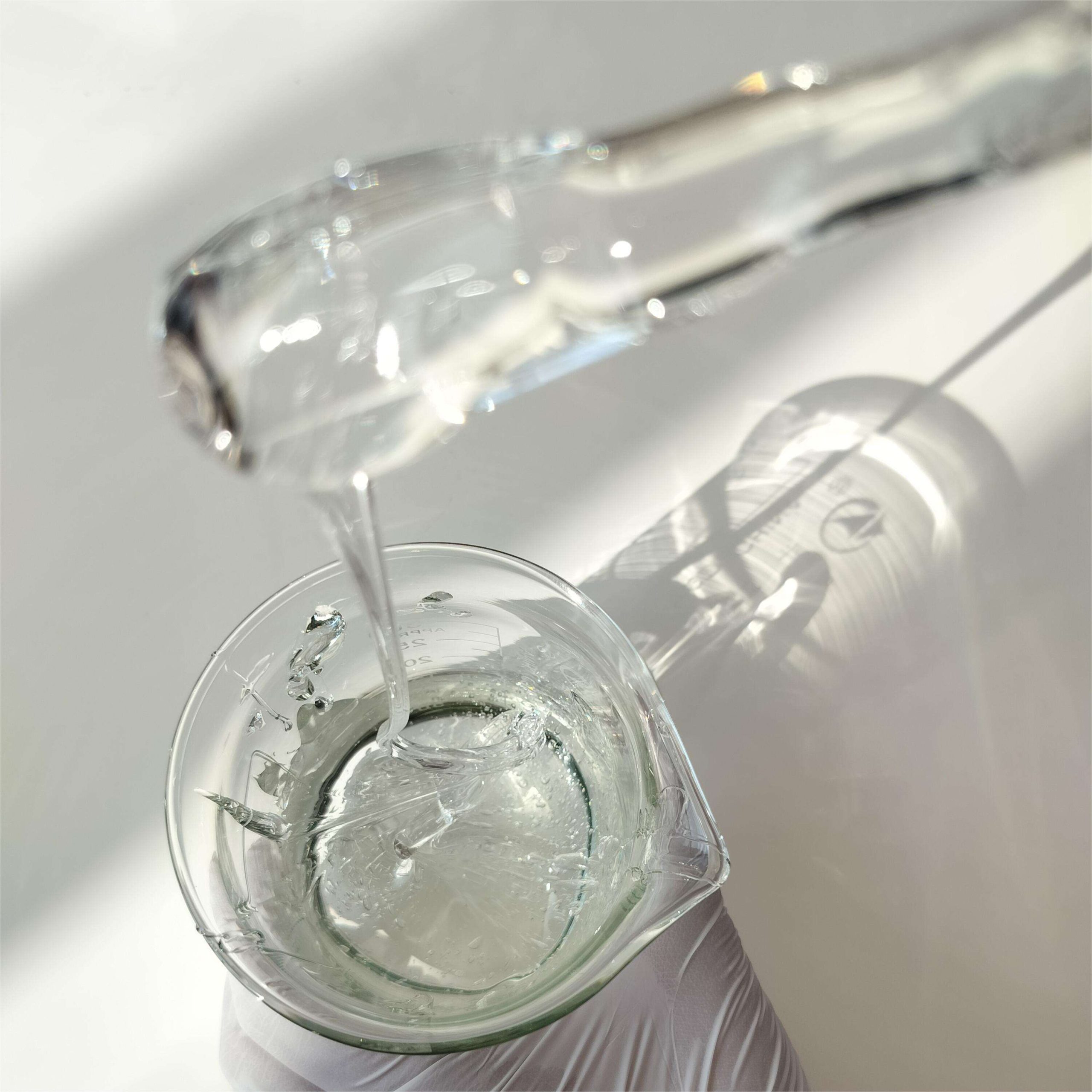
It is supplied as a colorless to slightly yellow transparent liquid.
Its viscosity, molecular weight, and hydrogen content vary by grade.
It is positioned as a crosslinking and modification component for silicone chemistry.
It is used as a crosslinking agent in addition-cure silicone rubber and elastomer systems.
It is used as a water-repellent treatment for textiles, paper, construction materials, powders, and other surfaces.
It is used as a modifier in coatings, release agents, and silicone-based intermediates.
Its Si-H groups react with vinyl-functional silicone polymers through platinum-catalyzed hydrosilylation to form crosslinked silicone materials.
The Si-H content determines the available reactive hydrogen for hydrosilylation, crosslinking, and water-repellent performance.
Confirm the required hydrogen content, viscosity, reactivity, and related specifications for the chosen grade.
Check compatibility with the target silicone formulation and curing ratio.
Store in tightly sealed containers in a cool, dry, well-ventilated area, away from heat, sunlight, and ignition sources.
Protect from moisture, acids, and alkalis because Si-H-containing silicones can react and release hydrogen gas under certain conditions.
Confirm packaging suitable for the liquid form and order quantity, and follow the current SDS.
Confirm grade, packaging, and specification as required.
The page is an RFQ entry point and does not state stock, price, MOQ, or fixed lead time.
For an RFQ, state the intended application, required grade, quantity, packaging, destination, and document needs.
FAQ - Technical & Supply Chain
-
Q:
What is Hydrogen Silicone Oil CAS 63148-57-2?
A: Hydrogen Silicone Oil, also known as methylhydrogen silicone oil, hydrogen polysiloxane, or polymethylhydrosiloxane (PMHS), is a reactive silicone fluid containing Si-H groups. It is a polymeric material whose viscosity, molecular weight, and hydrogen content vary by grade. -
Q:
Why is Si-H content an important specification?
A: The Si-H content determines the available reactive hydrogen for hydrosilylation, crosslinking, and water-repellent performance. Different grades are selected by hydrogen content, viscosity, and reactivity, so the correct grade should be matched to the silicone formulation and curing ratio. -
Q:
How is Hydrogen Silicone Oil used as a crosslinking agent?
A: In addition-cure silicone systems, its Si-H groups react with vinyl-functional silicone polymers through platinum-catalyzed hydrosilylation. This reaction forms a crosslinked silicone elastomer or coating, making Hydrogen Silicone Oil a key component in silicone rubber, gel, and surface-treatment formulations. -
Q:
What are the main applications of Hydrogen Silicone Oil?
A: It is used as a crosslinking agent in silicone rubber and elastomer systems, and as a water-repellent treatment for textiles, paper, construction materials, powders, and other surfaces. It also functions as a modifier in coatings, release agents, and silicone-based intermediates. -
Q:
How should Hydrogen Silicone Oil be stored?
A: Keep it in tightly sealed containers in a cool, dry, well-ventilated area away from heat, sunlight, and ignition sources. It should be protected from moisture, acids, and alkalis because Si-H-containing silicones can react and release hydrogen gas under certain conditions.
Ordering & Documentation
Key information for document requests, quotations, and supply planning.
Documents
Tell us which documents your procurement team needs. Before an order, we will check whether the quoted source can provide them for the offered lot.
Quotation
Send the CAS number, grade, quantity, packing preference and destination.
Sample & Supply
Ask whether samples, trial quantities or repeat orders are possible. We will check each request against the sourced product and current offer.
Storage & Shipping
Product-specific conditions are confirmed before order.