









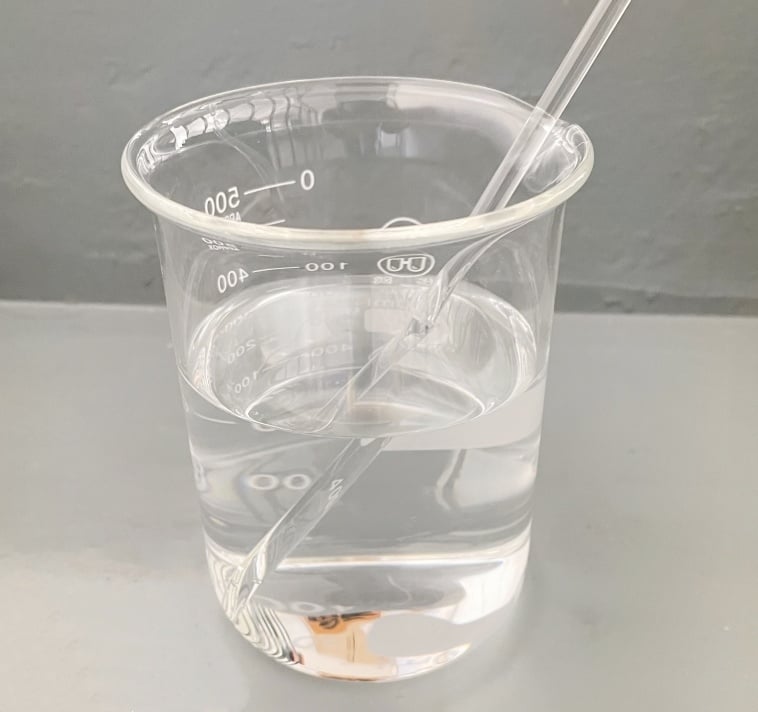
Fumaroyl dichloride, also referred to as trans-butenedioyl dichloride, fumaric acid dichloride, or (E)-but-2-enedioyl dichloride, is an acyl chloride derivative of fumaric acid corresponding to CAS 627-63-4 and widely used in polymer synthesis intermediates. The compound contains two highly reactive acyl chloride groups, allowing efficient participation in esterification, amidation, and polycondensation reactions for specialty polymers and functional materials. The material is supplied with competitive factory pricing, customized specifications, complete documentation including MSDS, TDS, COA, and consistent bulk supply.
Fumaryl Chloride CAS 627-63-4
- CAS: 627-63-4
- Synonyms: Fumaroyl dichloride, trans-butenedioyl dichloride, fumaric acid dichloride, (E)-but-2-enedioyl dichloride
- Einecs: 220-415-2
- Molecular Formula: CHClO
- Grade: Industrial grade 99%
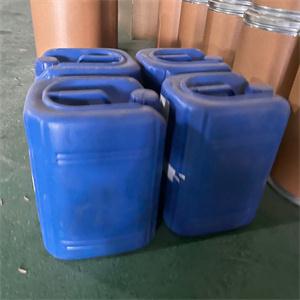
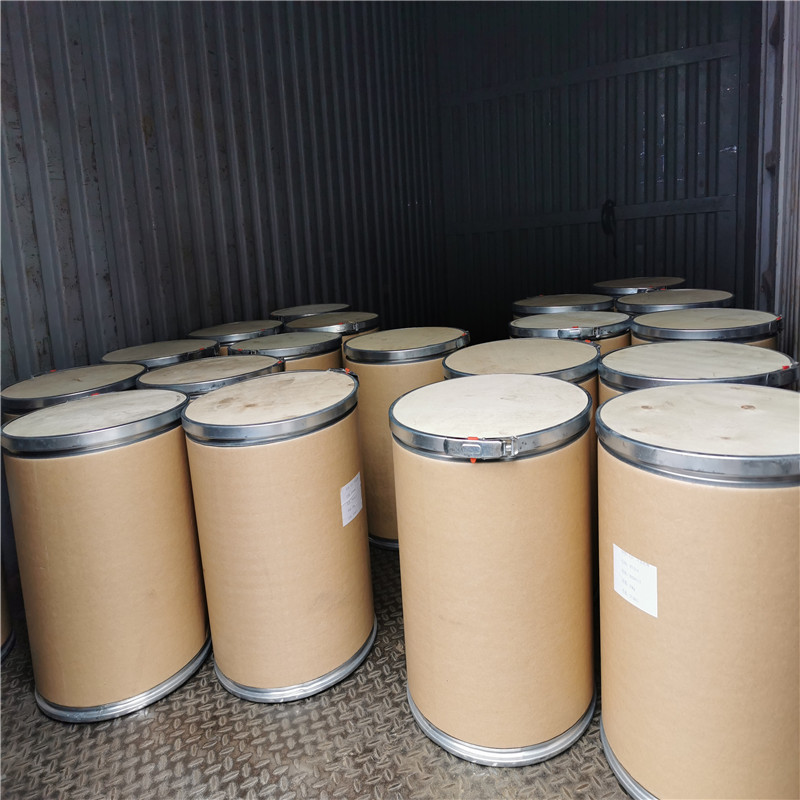
- Package: 200kg iron drum or 50kg plastic drum packaging
Product Description
Physicochemical properties
| Property | Value |
|---|---|
| Chemical Formula | CHClO |
| Molecular Weight | 64.47 g/mol |
| CAS Number | 627-63-4 |
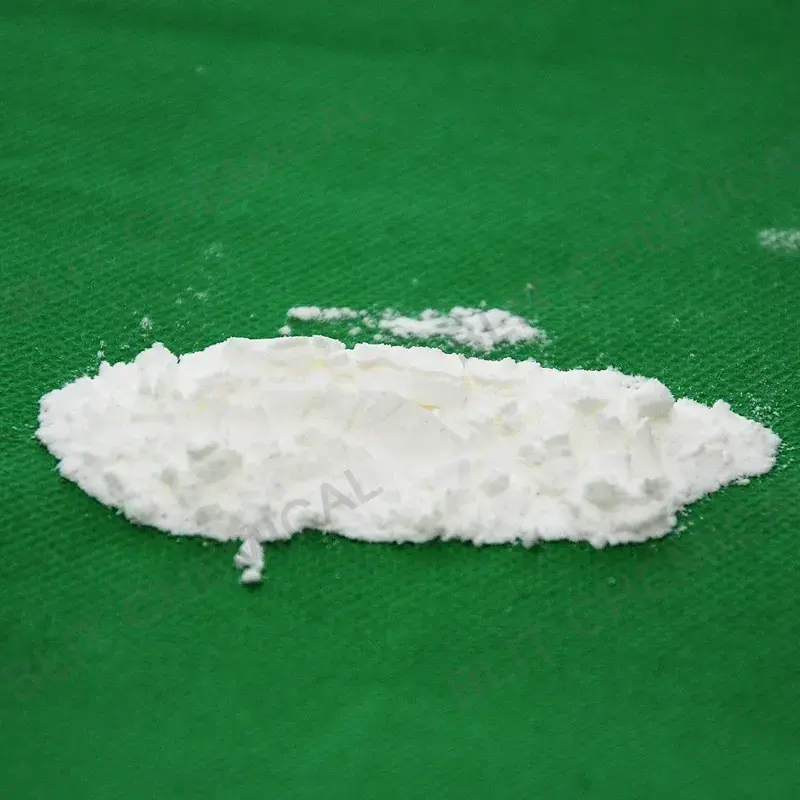
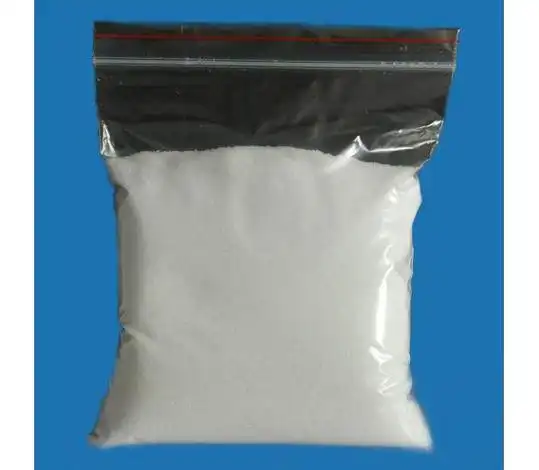
| Appearance | Colorless liquid with a pungent odor |
| Density | 1.199 g/cm³ |
| Boiling Point | 46.4 °C at 760 mmHg |
| Refractive Index | 1.355 |
| Vapor Pressure | 350 mmHg at 25 °C |
| Stability | Highly unstable; decomposes readily into carbon monoxide (CO) and hydrogen chloride (HCl) at room temperature |
| Solubility | Reacts violently with water to form formic acid and HCl; solubility in organic solvents not well-defined due to rapid decomposition |
Application Areas
Organic synthesis: used as an acylation reagent for the synthesis of aldehydes, esters, amides, and other compounds.
Pesticides and insecticides: intermediates used in the synthesis of carbamate insecticides such as methomyl and isoproterenol.
Chemical research: As a dehydrogenation reagent or intermediate, study the mechanism of acylation reactions.
Storage conditions
Environmental requirements: It should be stored in a dry and inert gas environment (such as argon) in a sealed manner to prevent contact with moisture. It is recommended to store in refrigeration (2-8 ° C) and avoid high temperatures or direct sunlight.
Isolation measures: Separate from alkalis, oxidants, alcohols, etc. and strictly prohibit mixing storage.
Safety precautions
Personal protection: Wear corrosion-resistant gloves, goggles, and gas masks during operation to avoid inhaling vapors or coming into contact with the skin.
Leakage treatment: Cover the leaked material with inert adsorbent material (such as sand) and prohibit direct flushing with water
Health risk: Highly corrosive to skin, eyes, and respiratory equipment. Immediately rinse with plenty of water and seek medical attention upon contact
FAQ - Technical & Supply Chain
-
Q:
Are fumaryl chloride and fumaroyl dichloride the same chemical substance?
A: Yes. Fumaryl chloride and fumaroyl dichloride are alternative names for the same compound identified by CAS 627-63-4. -
Q:
Is fumaryl chloride mainly supplied as an industrial intermediate?
A: It is typically supplied as an industrial intermediate for polymer synthesis and related chemical manufacturing processes rather than for laboratory-only use.
Documents and Product Support
For product review and sourcing evaluation, supporting documents can be coordinated according to the product type, inquiry stage, and order requirements.
- COA for batch-based quality reference
- TDS for key physical and chemical information
- SDS / MSDS for handling, storage, and safety reference
- Packing information for sample, trial, and bulk orders
- Technical communication based on application and specification requirements
Information to Confirm Before Quotation
Clear sourcing information helps reduce specification mismatch and allows a more accurate quotation before sample or bulk order discussion.
- Product name and CAS number
- Application or intended end use
- Required purity, grade, or specification
- Sample quantity, trial order, or bulk demand
- Preferred packing form or net weight
- Destination country or port
- Required documents or compliance expectations
Packaging, Storage, and Handling Notes
Packaging form, storage conditions, shelf life, and shipment arrangements should be confirmed according to the product characteristics, package size, and destination requirements.
Before order confirmation, buyers are advised to review the corresponding product documents and confirm whether any special storage, labeling, or handling requirements apply.
Sample, Bulk Order and Repeat Supply Support
Support can be arranged for sample discussion, bulk supply planning, packaging confirmation, and routine sourcing communication based on the actual product and order requirements.
For repeat-use formulations or long-term procurement plans, buyers may discuss specification consistency, packaging preferences, delivery expectations, and document coordination in advance.