










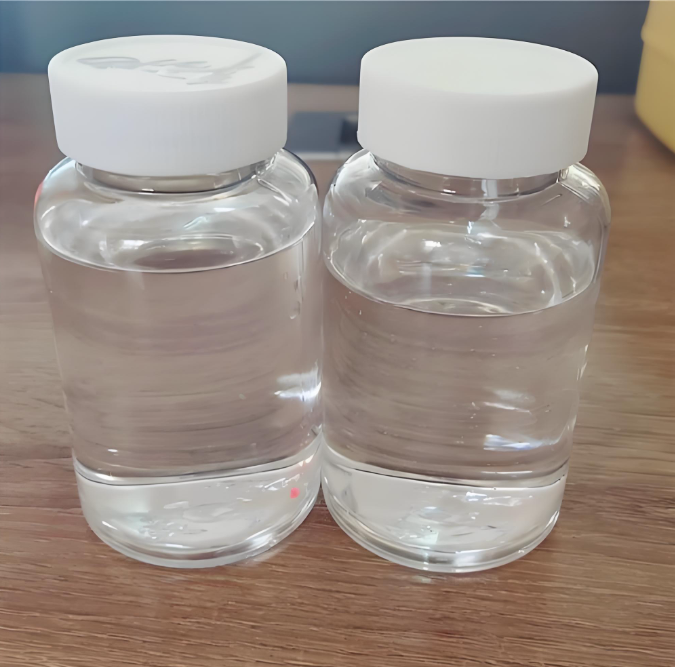
• Fatty Alcohol Polyoxyethylene Ether CAS 68213-23-0

Fatty Alcohol Polyoxyethylene Ether CAS 68213-23-0

Fatty Alcohol Polyoxyethylene Ether, identified by CAS 68213-23-0, is a high-efficiency non-ionic surfactant synthesized through the ethoxylation of C12-18 fatty alcohols. As a versatile fatty alcohol polyoxyethylene ether, this technical-grade ethoxylated fatty alcohol functions as a primary scouring and emulsifying agent in various textile auxiliary formulation processes. This biodegradable polyoxyethylene fatty alcohol ether is valued for its exceptional wetting, dispersing, and degreasing properties within acidic or alkaline aqueous systems. Our facility provides competitive factory pricing and customized specifications regarding the degree of ethoxylation to ensure optimal Hydrophilic-Lipophilic Balance (HLB) for specific industrial requirements. For procurement and technical validation, we offer comprehensive MSDS, TDS, COA documentation and maintain consistent bulk supply for large-scale manufacturing.

  • CAS: 68213-23-0
  • Synonyms: C12-18 Ethoxylated Alcohols, Polyethylene glycol cetyl/stearyl ether, AEO, Alcohols C12-18 ethoxylated
  • Einecs: 500-201-8
  • Molecular Formula: RO (CH2CH2O) Nh
  • Grade: Industrial Grade / Detergent Grade
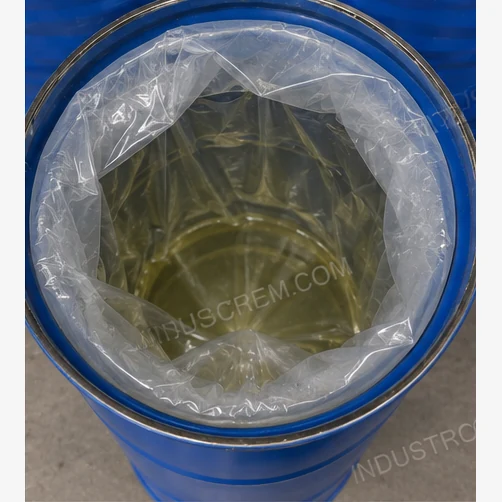
  • Package: 200kg/Iron Drum or 1000kg/IBC Drum.
Request a quote
Share:

Product Description

The AEO series are non-ionic surfactants prepared by the ethoxylation of fatty alcohols. Their properties change depending on the number of EO molecules (n) added:

  1. AEO-3 (n=3): Lipophilic (oil-loving). Used primarily as a W/O (Water-in-Oil) emulsifier and intermediate for AES production.
  2. AEO-7 (n=7): Excellent emulsifying and cleaning properties. Used in industrial degreasers and textile auxiliaries.
  3. AEO-9 (n=9): Highly hydrophilic (water-soluble). It offers superior detergency, wetting, and emulsifying power. It is a key ingredient in laundry detergents and household cleaners, often serving as a greener alternative to Nonylphenol Ethoxylates (NP-9).

Physicochemical Properties

The table below compares the three most standard export specifications.

ParameterAEO-3 (MOA-3)AEO-7 (MOA-7)AEO-9 (MOA-9)
Appearance (25°C)Colorless transparent liquidColorless liquid to milky pasteWhite paste or soft solid
Color (Hazen/Pt-Co)≤ 50≤ 50≤ 50
pH Value (1% Sol.)6.0 – 7.06.0 – 7.06.0 – 7.0
Cloud Point (°C)N/A (Oil soluble)40 – 50 (in BDG*)75 – 85 (in Water)
HLB Value7.0 – 8.012.0 – 13.013.0 – 14.0
Moisture≤ 0.5%≤ 0.5%≤ 0.5%
SolubilitySoluble in oil/ethanolDispersible in waterEasily soluble in water

*Note regarding AEO-9: At low temperatures (<20°C), AEO-9 solidifies into a paste. This is a normal physical property.


Applications

  1. Household Detergents (AEO-9):
    • Key active ingredient in laundry liquids, dishwashing detergents, and hard surface cleaners. Excellent grease removal.
  2. Textile Industry (AEO-7 / AEO-9):
    • Used as a scouring agent, penetrating agent, and leveling agent in dyeing processes. Effectively removes wax and oil from fibers.
  3. Industrial Cleaning:
    • Metal degreasing agents and engine cleaners.
  4. Cosmetics & Personal Care:
    • Used as an emulsifier in creams and lotions.
  5. Agrochemicals:
    • Used as an emulsifier in pesticide formulations.

Storage Conditions

  • Temperature: Store in a dry, cool, and ventilated warehouse.
  • Physical State: AEO-9 may solidify in winter. It is recommended to heat the drum partially (using a hot room or drum heater belt) to liquefy it before use if it has turned to paste.
  • Stability: Stable under normal conditions. Avoid strong oxidizing agents.
  • Shelf Life: 2 years (24 months).

Safety Precautions

  • General: Non-ionic surfactants are generally considered low-toxicity, but concentrated forms can be irritating.
  • Eye Contact: Causes serious eye damage/irritation. Wear safety goggles. If contact occurs, rinse immediately with plenty of water.
  • Skin Contact: May cause mild irritation. Wash with soap and water.
  • Environmental: Do not discharge pure product into uncontrolled water sources, although it is biodegradable.

FAQ - Technical & Supply Chain

  • Q:

    How does the "n" value (moles of ethylene oxide) in CAS 68213-23-0 affect its industrial solubility?

    A: The solubility of Fatty Alcohol Polyoxyethylene Ether (CAS 68213-23-0) is directly proportional to the ethoxylation degree; lower mole counts are typically applied as oil-soluble emulsifiers, while higher mole counts function as water-soluble stabilizers and detergents.
  • Q:

    Is this material intended for use in high-temperature textile dyeing processes?

    A: Yes, this industrial ingredient is commonly used as a leveling agent or penetrant in dyeing baths due to its stable non-ionic nature and resistance to hard water, which prevents the precipitation of dyes during the cycle.
Documents

Documents and Product Support

For product review and sourcing evaluation, supporting documents can be coordinated according to the product type, inquiry stage, and order requirements.

  • COA for batch-based quality reference
  • TDS for key physical and chemical information
  • SDS / MSDS for handling, storage, and safety reference
  • Packing information for sample, trial, and bulk orders
  • Technical communication based on application and specification requirements
Quotation

Information to Confirm Before Quotation

Clear sourcing information helps reduce specification mismatch and allows a more accurate quotation before sample or bulk order discussion.

  • Product name and CAS number
  • Application or intended end use
  • Required purity, grade, or specification
  • Sample quantity, trial order, or bulk demand
  • Preferred packing form or net weight
  • Destination country or port
  • Required documents or compliance expectations
Storage & Handling

Packaging, Storage, and Handling Notes

Packaging form, storage conditions, shelf life, and shipment arrangements should be confirmed according to the product characteristics, package size, and destination requirements.

Before order confirmation, buyers are advised to review the corresponding product documents and confirm whether any special storage, labeling, or handling requirements apply.

Supply Support

Sample, Bulk Order and Repeat Supply Support

Support can be arranged for sample discussion, bulk supply planning, packaging confirmation, and routine sourcing communication based on the actual product and order requirements.

For repeat-use formulations or long-term procurement plans, buyers may discuss specification consistency, packaging preferences, delivery expectations, and document coordination in advance.

Contact Form

Use our contact form to send us your questions, suggestions or comments. We will respond as soon as possible.