









• Dichloromethane (DCM) Supplier  CAS 75-09-2
  • Dichloromethane (DCM) Supplier  CAS 75-09-2
  • Dichloromethane (DCM) Supplier  CAS 75-09-2
  • Dichloromethane (DCM) Supplier  CAS 75-09-2

Dichloromethane (DCM) Supplier CAS 75-09-2

Dichloromethane, widely recognized in the industrial sector as Methylene Chloride or DCM, is a powerful, volatile organochloride solvent utilizing primarily in paint stripping, pharmaceutical extraction, and metal degreasing. Verified under CAS 75-09-2, this colorless liquid with a moderately sweet aroma is chemically defined as the geminal organic chloride CH2Cl2. It is favored for its exceptional solvency power and low boiling point, making it indispensable for extracting heat-sensitive active ingredients and manufacturing polycarbonate resins. We offer this high-purity solvent in drum and bulk ISO tank packaging with competitive factory pricing to support the pharmaceutical, adhesive, and foam manufacturing industries. Our supply chain ensures reliable bulk supply availability and customized specifications, fully accompanied by MSDS, TDS, COA documentation for strict safety handling and compliance.

  • CAS: 75-09-2
  • Synonyms: Methylene chloride, DCM, Methylene dichloride, Methane dichloride, Methylene bichloride
  • Einecs: 200-838-9
  • Molecular Formula: CH2Cl2
  • Grade: Industrial grade 99%
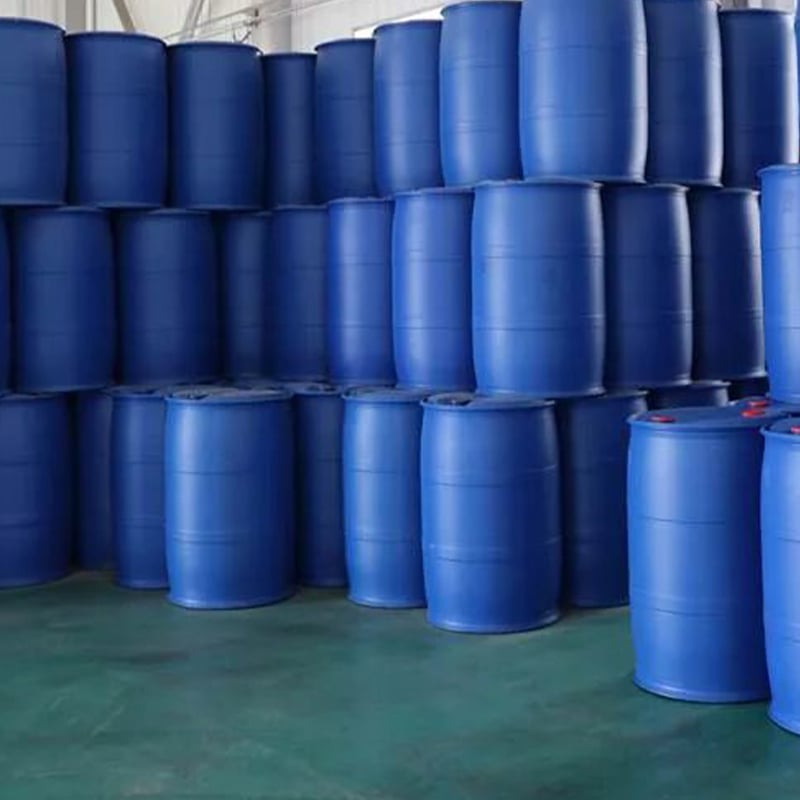
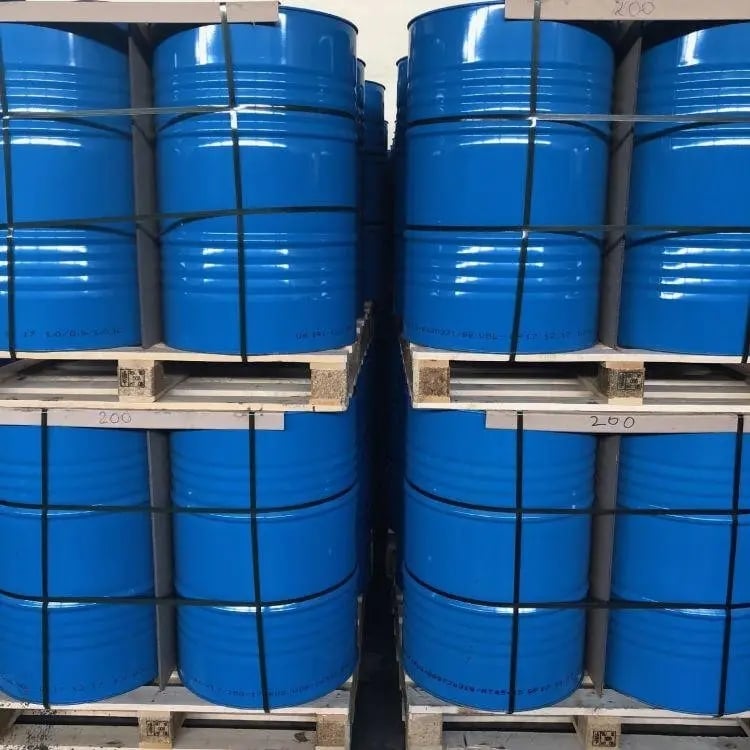
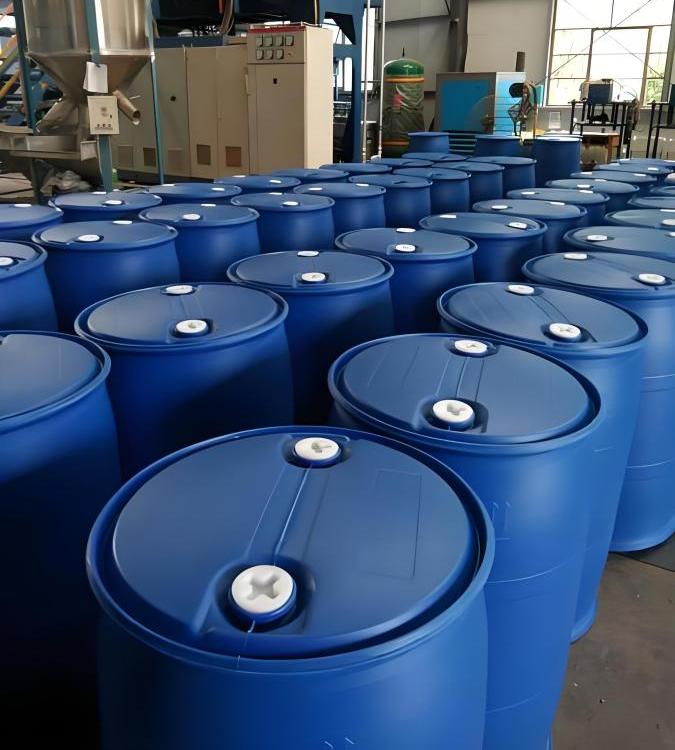
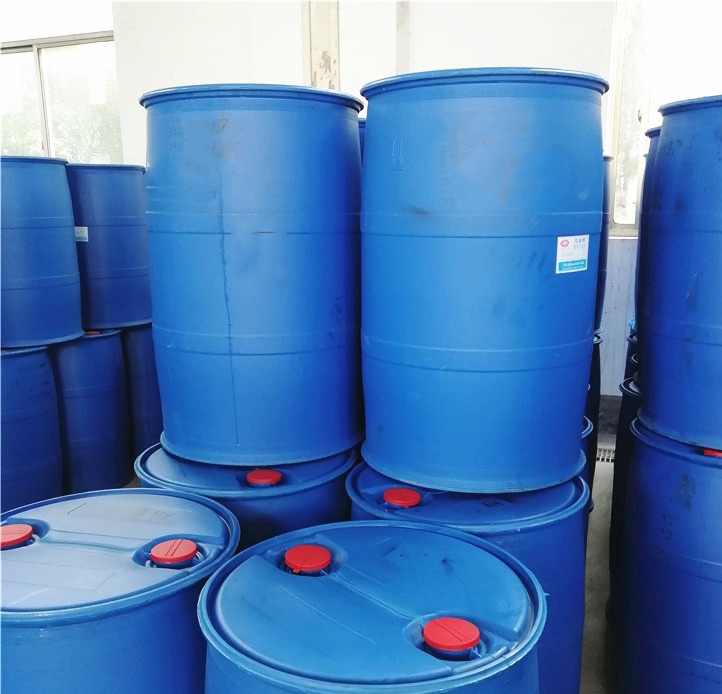
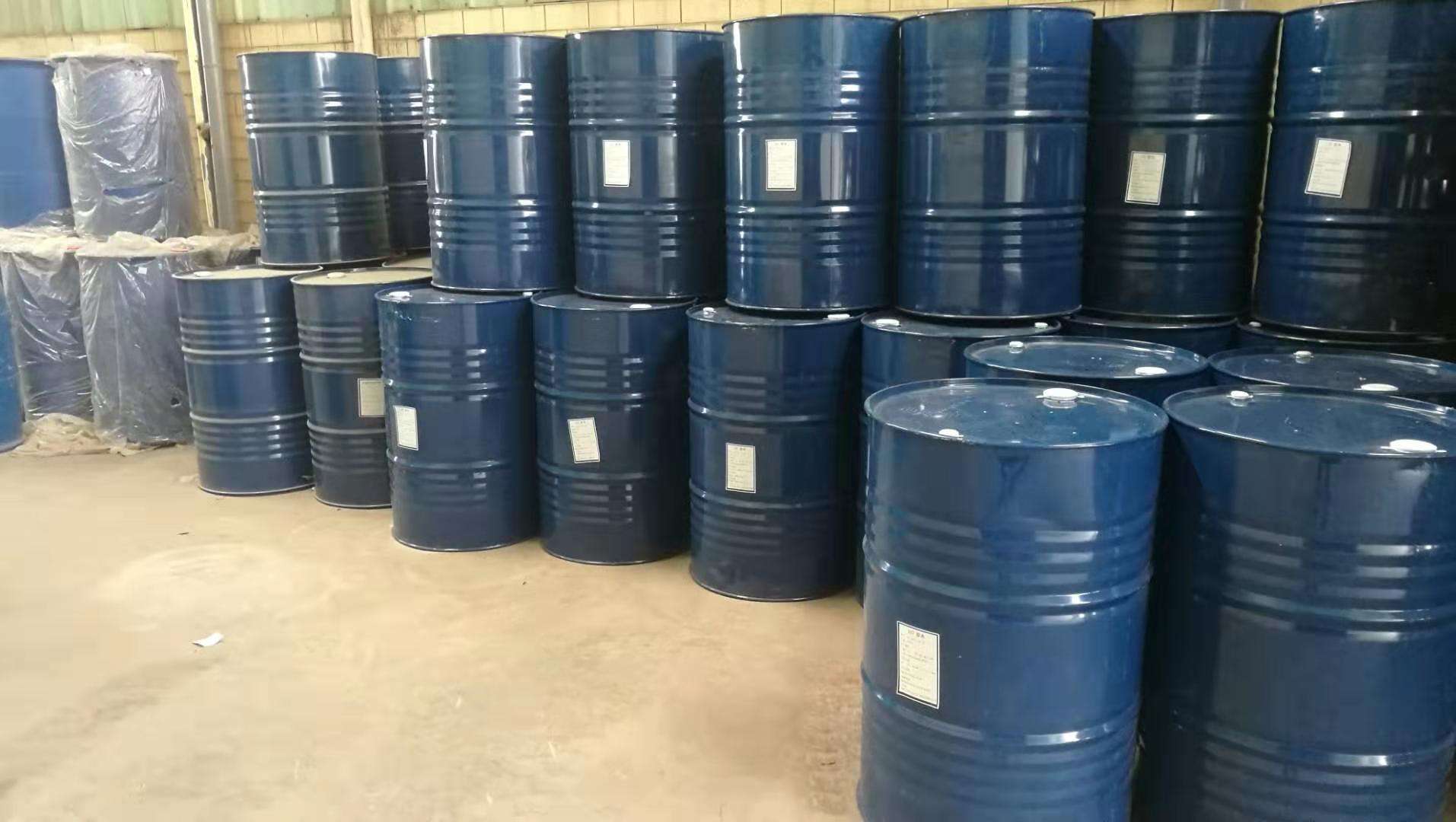
  • Package: 200kg iron drum or 50kg plastic drum packing
Request a quote
Share:

Product Description

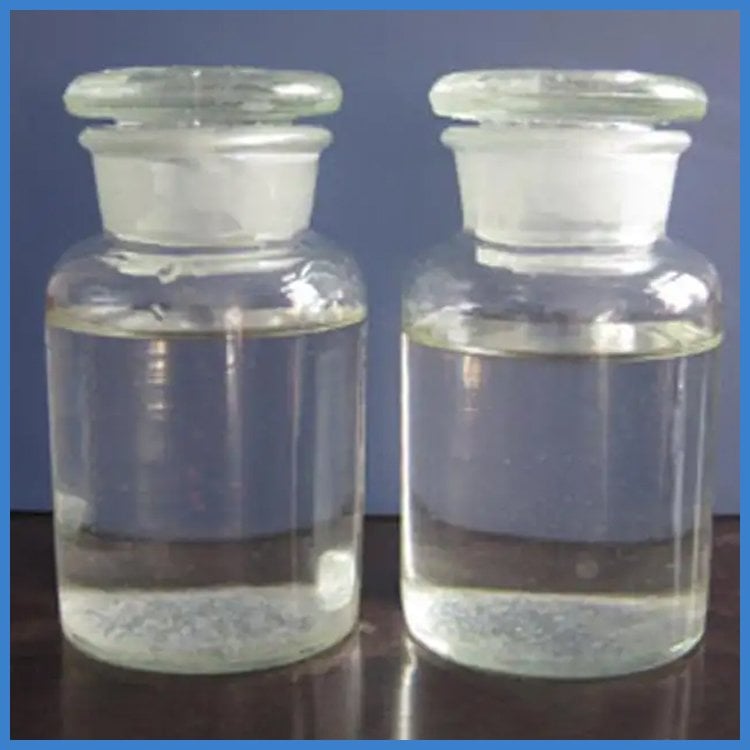
Dichloromethane, an organic compound with the chemical formula CH2Cl2, is a colorless transparent liquid with a pungent odor similar to ether. Slightly soluble in water, soluble in ethanol and ether, under normal use conditions is a non-flammable low-boiling point solvent, its vapor becomes high concentration in high temperature air, it will produce a weakly burning mixture , often used to replace flammable petroleum ether, ether, etc.

chemical formula:CH2Cl2

molecular weight:84.933

CAS login number:75-09-2

EINECS login number:200-838-9

water solubility:Slightly soluble

melting point-97℃
boiling point39.8℃
density1.325g/cm3
Saturated vapor pressure46.5kPa(20℃) 
Critical237℃ 
Critical pressure6.08MPa 
Ignition temperature556℃ 
Explosion ceiling(V/V22% 
Lower explosion limit (V/V14% 
appearanceColorless transparent liquid with aromatic odor
solubilitySlightly soluble in water, soluble in ethanol and ether 

Applications:

Methylene chloride is a versatile organic compound that has a wide range of applications in various fields. The following are detailed applications of methylene chloride in different fields.

Industrial field

Solvent: Methylene chloride is an excellent solvent that dissolves many organic and inorganic substances. In industrial production, it is often used in the extraction and separation process of grease, resin, rubber and other substances 

Coolant: Due to its low boiling point, methylene chloride can be used as a cryogenic hot bath and coolant, especially in some experiments and processes where low-temperature conditions need to be maintained.

Pharmaceutical field

Drug Preparation: Methylene chloride is used in the pharmaceutical industry to prepare drugs. [9]It can act as a solvent to help extract and isolate the active ingredients in the drug. [10]

Medical device cleaning: Methylene chloride is also used to clean medical devices to ensure they are in a high degree of cleanliness before use.

Laboratory use

General Purpose Solvent: As a universal organic solvent, methylene chloride is often used to dissolve and separate various organic compounds. It can effectively dissolve grease, resin, rubber and other substances, providing convenience for organic synthesis, separation, and extraction in the laboratory. Second, methylene chloride is commonly used in laboratories to prepare solvent mixtures to adjust the properties of specific solutions. This characteristic makes it play an important role in some complex chemical experiments, such as chromatography, mass spectrometry, and nuclear magnetic resonance spectroscopy. In addition, due to its low boiling point, methylene chloride is also commonly used as a solvent for washing and cleaning test tubes, beakers and other laboratory utensils in laboratories. Its volatile nature helps to quickly remove residual substances and keep the laboratory equipment clean.

Refrigeration and air conditioning industry

Methylene chloride is a common refrigerant used in evaporation and condensation cycles in air conditioning systems. In an evaporator, methylene chloride absorbs heat and evaporates into a gas, which lowers the air temperature. Through the condenser, it is again converted into a liquid to release heat, which cools the indoor air.

FAQ - Technical & Supply Chain

  • Q:

    Does Dichloromethane (DCM) correspond to the gaseous Methyl Chloride or the liquid Chloroform?

    A: Dichloromethane (DCM) is verified under CAS 75-09-2 as the liquid di-chlorinated methane (CH2Cl2), distinguishing it from the gaseous Methyl Chloride (monochloromethane) or the tri-chlorinated Chloroform to ensure the correct evaporation profile and non-flammability required for safe solvent extraction.
  • Q:

    Why is Methylene Chloride preferred over other solvents for extracting heat-sensitive pharmaceutical compounds?

    A: Methylene Chloride is typically applied as the extraction solvent of choice because its very low boiling point (approx. 40°C) allows for efficient removal and recovery at low temperatures, preventing the thermal degradation of sensitive antibiotics, vitamins, and plant extracts.
Documents

Documents and Product Support

For product review and sourcing evaluation, supporting documents can be coordinated according to the product type, inquiry stage, and order requirements.

  • COA for batch-based quality reference
  • TDS for key physical and chemical information
  • SDS / MSDS for handling, storage, and safety reference
  • Packing information for sample, trial, and bulk orders
  • Technical communication based on application and specification requirements
Quotation

Information to Confirm Before Quotation

Clear sourcing information helps reduce specification mismatch and allows a more accurate quotation before sample or bulk order discussion.

  • Product name and CAS number
  • Application or intended end use
  • Required purity, grade, or specification
  • Sample quantity, trial order, or bulk demand
  • Preferred packing form or net weight
  • Destination country or port
  • Required documents or compliance expectations
Storage & Handling

Packaging, Storage, and Handling Notes

Packaging form, storage conditions, shelf life, and shipment arrangements should be confirmed according to the product characteristics, package size, and destination requirements.

Before order confirmation, buyers are advised to review the corresponding product documents and confirm whether any special storage, labeling, or handling requirements apply.

Supply Support

Sample, Bulk Order and Repeat Supply Support

Support can be arranged for sample discussion, bulk supply planning, packaging confirmation, and routine sourcing communication based on the actual product and order requirements.

For repeat-use formulations or long-term procurement plans, buyers may discuss specification consistency, packaging preferences, delivery expectations, and document coordination in advance.

Contact Form

Use our contact form to send us your questions, suggestions or comments. We will respond as soon as possible.