









Chrome-free Zeolite Tanning Agent, a synthetic sodium aluminosilicate based on Zeolite A, CAS 68989-22-0, is supplied for chrome-free leather tanning. Confirm the required grade and specification, then request a quotation with COA/TDS/SDS for bulk supply.
Chrome-free Zeolite Tanning Agent CAS 68989-22-0
- CAS: 68989-22-0
- Synonyms: Sodium Aluminosilicate, Synthetic Zeolite A, Eco-tanning agent, Wet White tanning agent, Zeolites NaA, Chrome-free leather auxiliary
- Einecs: 273-541-5
- Molecular Formula: Na₁₂(AlO₂)₁₂(SiO₂)₁₂·27H₂O
- Grade: Tanning Grade / Technical Grade
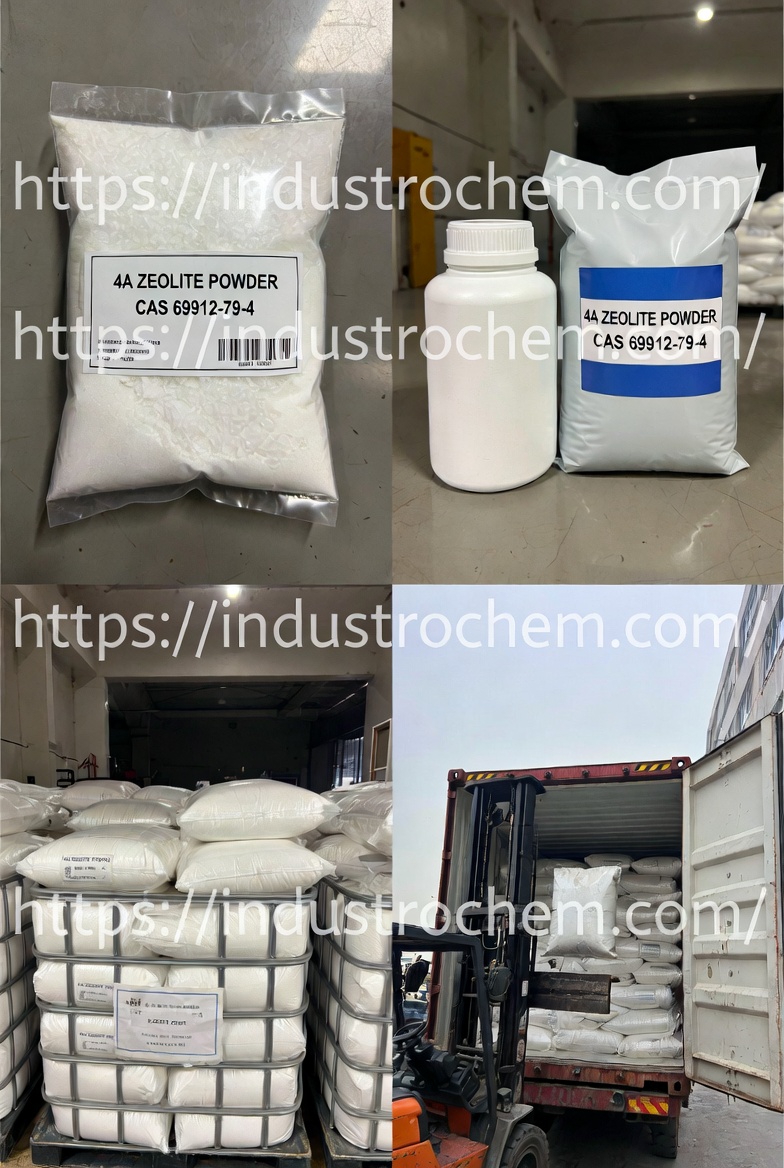
- Package: 25kg Multi-ply paper bags or 650kg Jumbo Bags, palletized and shrink-wrapped.
Product Description
Chrome-free Zeolite Tanning Agent CAS 68989-22-0 is a synthetic sodium aluminosilicate based on Zeolite A, with molecular formula Na12(AlO2)12(SiO2)12.27H2O and EINECS 273-541-5.
Synonyms: Sodium Aluminosilicate; Synthetic Zeolite A; Eco-tanning agent; Wet White tanning agent; Zeolites NaA; Chrome-free leather auxiliary.
CAS: 68989-22-0.
It has the molecular formula Na12(AlO2)12(SiO2)12.27H2O.
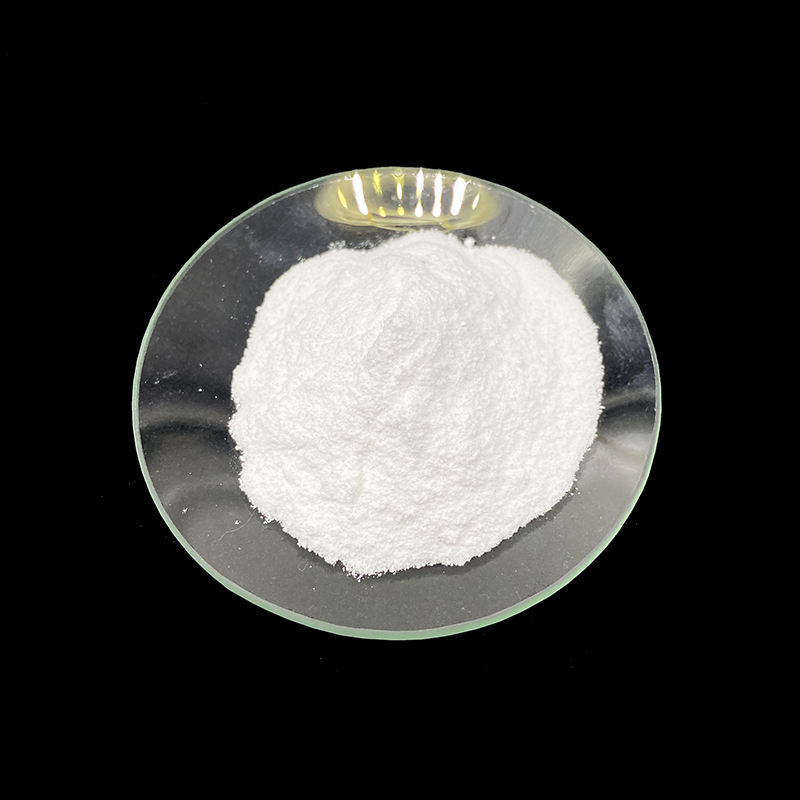
It is supplied as a fine white to off-white powder.
The product typically gives a pH of 9.0–11.0 in a 5% suspension and has an average particle size of 4.0 µm or less.
In primary tanning, the zeolite particles interact with collagen fibers and replace basic chrome sulfate in wet white production.
It is highly synergistic with vegetable tannins in pre-tanning or retanning by helping disperse large tannin molecules.
It can also be combined with aldehyde tanning systems in selected applications.
As an inorganic mineral option, it avoids aldehyde volatility and sensitization concerns associated with glutaraldehyde.
It supports chrome-free, eco-friendly leather production.
Its fine particle size and alkaline pH help uniform penetration and tanning.
Store in a cool, dry, well-ventilated area in tightly closed containers to prevent moisture pickup.
Keep away from strong acids and direct moisture.
Confirm appearance, pH, particle size, moisture and active content as required.
Use dust masks or respirators and eye protection during handling, and wash skin contact with soap and water.
Confirm packaging with the requested quantity and destination requirements.
The page is an RFQ entry point and does not state stock, price, MOQ or fixed lead time.
For an RFQ, state the intended use, required grade and specification, quantity, packaging, destination and document needs.
FAQ - Technical & Supply Chain
-
Q:
What is Chrome-free Zeolite Tanning Agent CAS 68989-22-0?
A: It is a synthetic sodium aluminosilicate based on Zeolite A, supplied as a fine white to off-white powder. The product is designed for leather tanning and retanning as an inorganic, chrome-free alternative. -
Q:
How does this zeolite agent produce wet white leather?
A: In primary tanning, the zeolite particles interact with collagen fibers and replace basic chrome sulfate in wet white production. The resulting leather has a shrinkage temperature around 75-80 C on its own, and the white base supports bright pastel dyeing. -
Q:
Can Chrome-free Zeolite Tanning Agent be combined with vegetable tannins or aldehydes?
A: Yes. It is highly synergistic with vegetable tannins in pre-tanning or retanning because the zeolite helps disperse large tannin molecules and improve penetration. Combining it with vegetable tannins or aldehydes can also raise the final shrinkage temperature. -
Q:
What pH and particle size should be considered for leather application?
A: The product typically gives a pH of 9.0-11.0 in a 5% suspension and has an average particle size of 4.0 um or less. This fine particle size supports penetration into the collagen matrix, while process pH should be adjusted according to the hide type and float recipe. -
Q:
How does this zeolite tanning agent compare with glutaraldehyde-based chrome-free systems?
A: Zeolite is an inorganic mineral option and avoids aldehyde volatility and sensitization concerns associated with glutaraldehyde. It is used for environmentally oriented wet white processing, though formulation and process checks are needed to achieve the target feel, softness, and shrinkage temperature.
Ordering & Documentation
Key information for document requests, quotations, and supply planning.
Documents
Tell us which documents your procurement team needs. Before an order, we will check whether the quoted source can provide them for the offered lot.
Quotation
Send the CAS number, grade, quantity, packing preference and destination.
Sample & Supply
Ask whether samples, trial quantities or repeat orders are possible. We will check each request against the sourced product and current offer.
Storage & Shipping
Product-specific conditions are confirmed before order.