
Chemical products

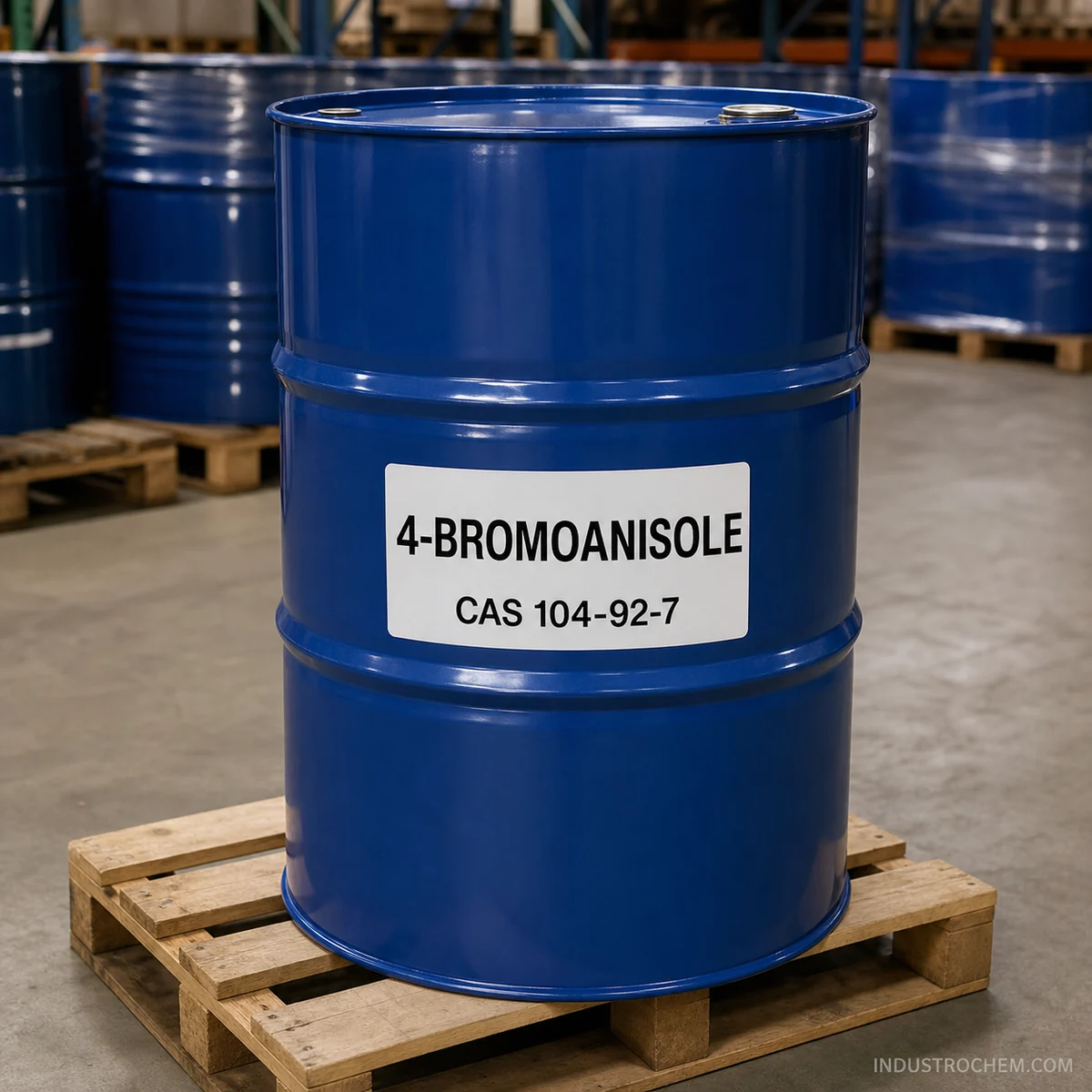
4-Bromoanisole CAS 104-92-7

4-Bromoanisole (CAS 104-92-7), also called p-bromoanisole or 1-bromo-4-methoxybenzene, is the para-substituted aryl bromide used in carbon–carbon coupling and organomagnesium chemistry. Para-isomer identity, GC assay and the relevant impurity profile help select material for the intended synthesis route.

  • CAS: 104-92-7
  • Synonyms: 4-Bromoanisole; p-Bromoanisole; 1-Bromo-4-methoxybenzene; 4-Methoxybromobenzene
  • Einecs: 203-252-1
  • Molecular Formula: C₇H₇BrO
  • Grade: Organic-synthesis intermediate; assay, water and relevant impurity limits agreed for the quoted grade.
  • Package: Sealed compatible packaging; pack size and delivery conditions agreed with the quotation.
Request a quote
Share:

Product Description

4-Bromoanisole is a clear, colourless to almost colourless liquid at 20 °C and can crystallize when chilled. Reference properties are a molar mass of 187.03 g/mol, melting point of 9–10 °C and density of 1.494 g/mL at 25 °C. These literature values describe the substance; the agreed specification defines the quoted grade.

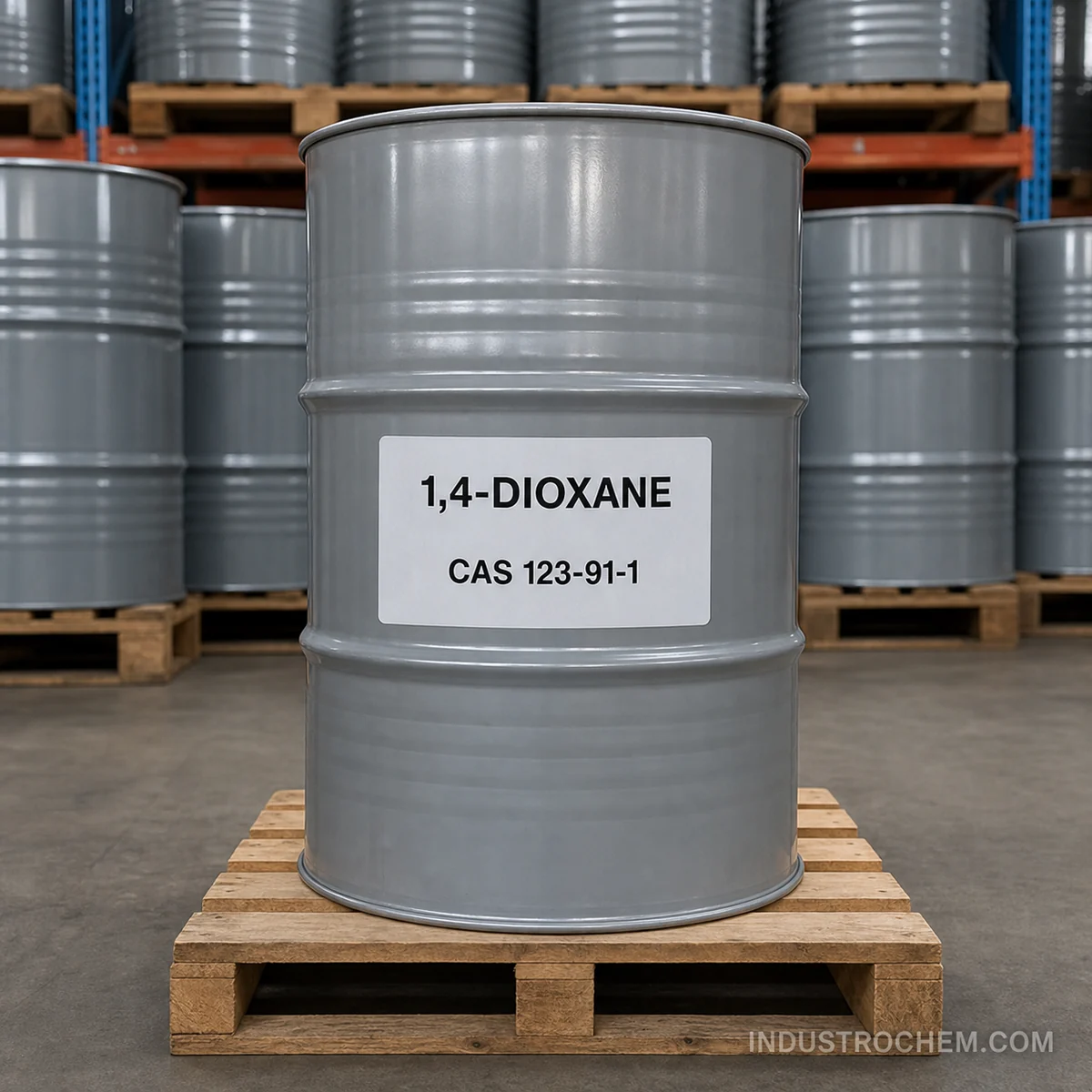
In documented carbon–carbon coupling routes, ethyl acrylate is a Heck reaction partner, while 1,4-dioxane is a solvent used in specific Suzuki reactions involving 4-bromoanisole. Reaction partner and solvent grades should match the intended process.

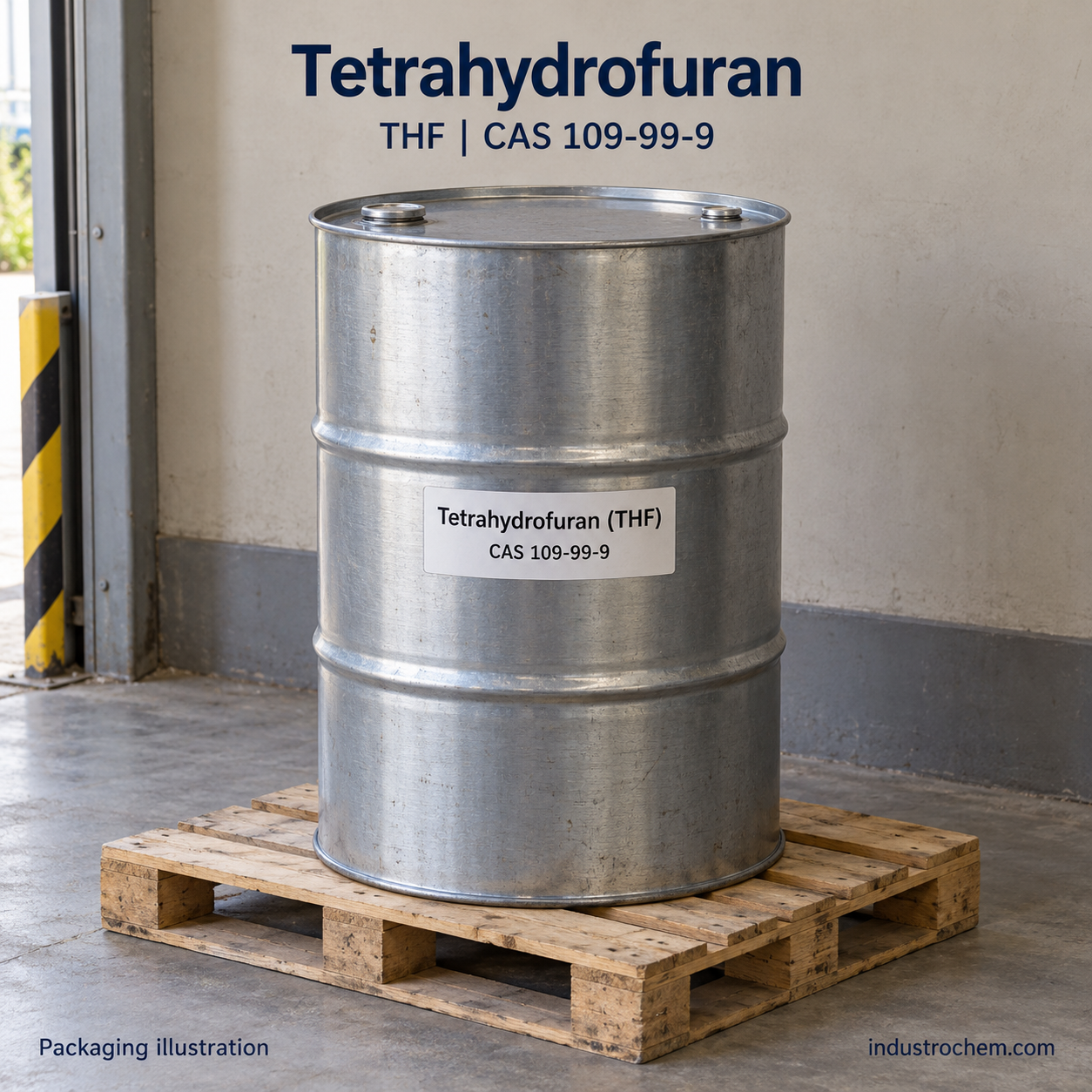
Tetrahydrofuran (THF) is used in documented preparation of 4-bromoanisole-derived organomagnesium intermediates. Phosphorus trichloride is a co-reagent in phosphine synthesis after that conversion. These are route-specific materials with different roles, not substitutes for 4-bromoanisole.

We can provide a Certificate of Analysis (COA), Technical Data Sheet (TDS), Safety Data Sheet (SDS) and GC chromatograms for the quoted grade. GC assay and relevant organic-impurity limits should state the method and reporting basis: GC area percentage is not automatically a mass fraction. Where positional-isomer limits matter, the method needs adequate separation. For moisture-sensitive routes, water content can be specified separately using a suitable Karl Fischer method.

For a quotation, send the required quantity, destination and essential assay or impurity limits. Include a water requirement when the intended synthesis is moisture-sensitive. Pack size and delivery conditions are agreed with the quotation.

FAQ - Technical & Supply Chain

  • Q:

    Are 4-Bromoanisole and p-Bromoanisole the same isomer?

    A: Yes. Both identify the para isomer, CAS 104-92-7. 2-Bromoanisole, 3-Bromoanisole and bromobenzene are different substances; they are not interchangeable without reviewing the synthesis route.
  • Q:

    What is the physical form of 4-Bromoanisole?

    A: It is a liquid at 20 °C and can crystallize when chilled. A literature melting point is 9–10 °C; this is a reference value, not a batch specification. Cold crystallization alone does not establish deterioration. Follow the supplied handling information before transfer or use.
  • Q:

    What is 4-Bromoanisole used for?

    A: It is an aryl-bromide intermediate for carbon–carbon coupling and preparation of para-methoxyphenyl organomagnesium reagents. Suitability depends on the synthesis route and agreed assay, water and impurity limits; this does not imply pharmaceutical or food-grade certification.
  • Q:

    Which specifications matter when purchasing industrial 4-Bromoanisole?

    A: Para-isomer identity, GC assay, appearance and relevant organic-impurity limits are useful starting points. Moisture-sensitive routes may also need a separate water limit and Karl Fischer method. Specify the assay basis: GC area percentage is not automatically a mass fraction. Trace metals or nonvolatile residue can be addressed when the process requires them.
  • Q:

    What should be confirmed before bulk 4-Bromoanisole delivery?

    A: Pack size, compatible sealed packaging and handling conditions are agreed for the quantity and destination. This low-melting material may crystallize during cold transport or storage. Use the supplied SDS and product specification for storage and transfer conditions.

Ordering & Documentation

Key information for document requests, quotations, and supply planning.

Documents

Tell us which documents your procurement team needs. Before an order, we will check whether the quoted source can provide them for the offered lot.

Quotation

Send the CAS number, grade, quantity, packing preference and destination.

Sample & Supply

Ask whether samples, trial quantities or repeat orders are possible. We will check each request against the sourced product and current offer.

Storage & Shipping

Product-specific conditions are confirmed before order.

Contact Form

Use our contact form to send us your questions, suggestions or comments. We will respond as soon as possible.
For a quotation, please include the product name or CAS number, quantity, grade or application, and destination country or port. Tell us if you need a sample, COA, TDS or SDS.