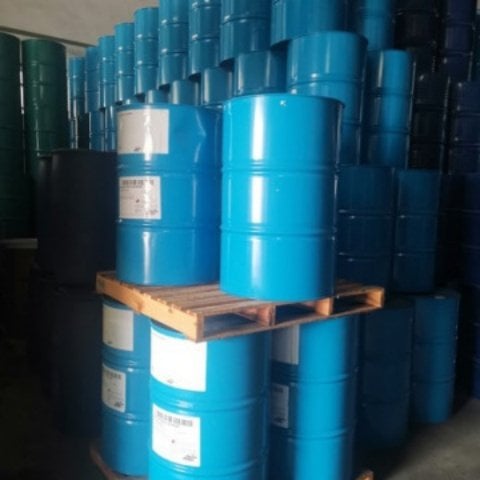










2,4-Pentanedione (acetylacetone), CAS 123-54-6, is a versatile diketone intermediate and metal-chelating agent. It exists as keto and enol tautomers and forms stable complexes with transition-metal ions used as polymerization and organic-synthesis catalysts, and is a building block for heterocycles in pharmaceutical and agrochemical synthesis. Confirm the GC assay, water, acidity, colour and density specifications, packaging and documentation before ordering; COA, TDS and SDS are available on request.
2,4-Pentanedione CAS 123-54-6
- CAS: 123-54-6
- Synonyms: 2,4-Pentanedione; Acetylacetone; Pentane-2,4-dione; Acac
- Einecs: 204-634-0
- Molecular Formula: C₅H₈O₂
- Grade: Industrial grade, purity ≥99.5%
- Package: Confirm packaging compatible with the offered form and destination requirements.
Product Description
Physicochemical Properties
| Parameter | Specification | Test Method |
|---|---|---|
| Appearance | Colorless to light yellow liquid | Visual Inspection |
| Purity (GC) | ≥ 99.5% | Gas Chromatography |
| Color (Hazen) | ≤ 15 | ASTM D1209 |
| Density (20°C) | 0.972 – 0.977 g/cm³ | ASTM D1298 |
| Water Content | ≤ 0.10% | Karl Fischer |
| Refractive Index | 1.450 – 1.453 | Refractometer |
| Boiling Point | 137°C – 141°C | Distillation |
Applications
Pharmaceutical & Agrochem Synthesis
- Heterocyclic Compounds: A primary building block for the synthesis of pyridines, pyrimidines, and isoxazoles used in active pharmaceutical ingredients (APIs).
- Chemical Intermediates: Employed in the production of sulfonamide-based drugs and various veterinary medicines.
Industrial Catalysts & Metal Finish
- Chelating Agent: Forms various metal acetylacetonate complexes (e.g., $Co, Al, Fe, Ni$), which serve as catalysts for polymerization and organic synthesis.
- Surface Treatment: Used in metal cleaning and as an additive in coatings to enhance drying and corrosion resistance.
Research & Development (R&D)
- Organometallic Chemistry: Extensively used in laboratories as a ligand for studying transition metal coordination and as a solvent for specialized chemical reactions.
Quality Assurance (QA/QC)
Quality control is based on technical precision and batch-to-batch consistency, with each batch released against the agreed technical specification.
Every batch is subjected to analytical testing including GC for purity and Karl Fischer titration for water content, with a comprehensive Certificate of Analysis (COA) provided with every shipment.
Storage & Safety
Storage Guidelines
- Environment: Store in a cool, dry, and well-ventilated dedicated flammable storage area.
- Temperature: Keep away from heat, sparks, open flames, and direct sunlight.
- Compatibility: Keep containers tightly closed. Store separately from strong oxidizers and reducing agents.
Safety & PPE Recommendations
- Respiratory Protection: Ensure adequate mechanical ventilation. Use an organic vapor respirator if exposure limits are exceeded.
- Skin & Eye Protection: Wear chemical-resistant gloves (Nitrile/Nitrile-Rubber) and splash-proof safety goggles.
- Body Protection: Wear anti-static protective clothing.
- First Aid: In case of inhalation, move to fresh air. In case of skin contact, wash immediately with soap and plenty of water.
FAQ - Technical & Supply Chain
-
Q:
Are 2,4-Pentanedione, Acetylacetone and ACAC the same compound?
A: Yes. These names identify CAS 123-54-6, pentane-2,4-dione. It is a β-diketone that exists as keto and enol tautomers, not a mixture of acetone and acetic acid. State the CAS number and agreed product name when ordering it as a metal-chelate precursor. -
Q:
What is 2,4-Pentanedione used for?
A: It is a primary building block for heterocyclic compounds used in pharmaceutical and agrochemical synthesis, and forms metal acetylacetonate complexes used as polymerization and organic-synthesis catalysts. It is also used in metal cleaning, coatings and organometallic chemistry. -
Q:
Which specifications and delivery details should be agreed for 2,4-Pentanedione?
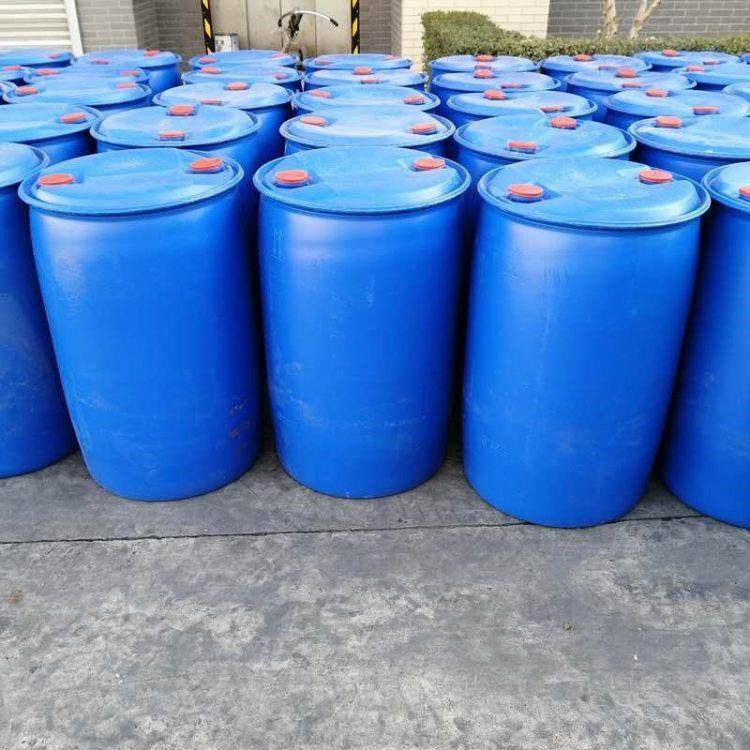
A: Agree GC assay, appearance and APHA colour, water, acidity, high-boiling residue, refractive index and density with the methods. For drum supply, confirm net weight, compatible seals, sampling and transport classification. -
Q:
What physical properties should be used to check an offered lot?
A: Confirm a colourless to light-yellow liquid, boiling range around 137–141 °C, density around 0.972–0.977 g/cm³ and refractive index around 1.450–1.453. Compare the offered lot data with the agreed product specification rather than relying on generic values. -
Q:
What handling and safety points should be reviewed?
A: Review flammability, ventilation, personal protection and incompatibility requirements. Store in tightly closed containers away from ignition sources and strong oxidizers, and confirm the intended chelation or synthesis process before use.
Ordering & Documentation
Key information for document requests, quotations, and supply planning.
Documents
COA, TDS, SDS/MSDS and packing details are available on request.
Quotation
Send the CAS number, grade, quantity, packing preference and destination.
Sample & Supply
Support is available for samples, trial orders, bulk and repeat supply.
Storage & Shipping
Product-specific conditions are confirmed before order.