









• 2,4-Dimethylpentanoic Acid CAS 6683-84-7

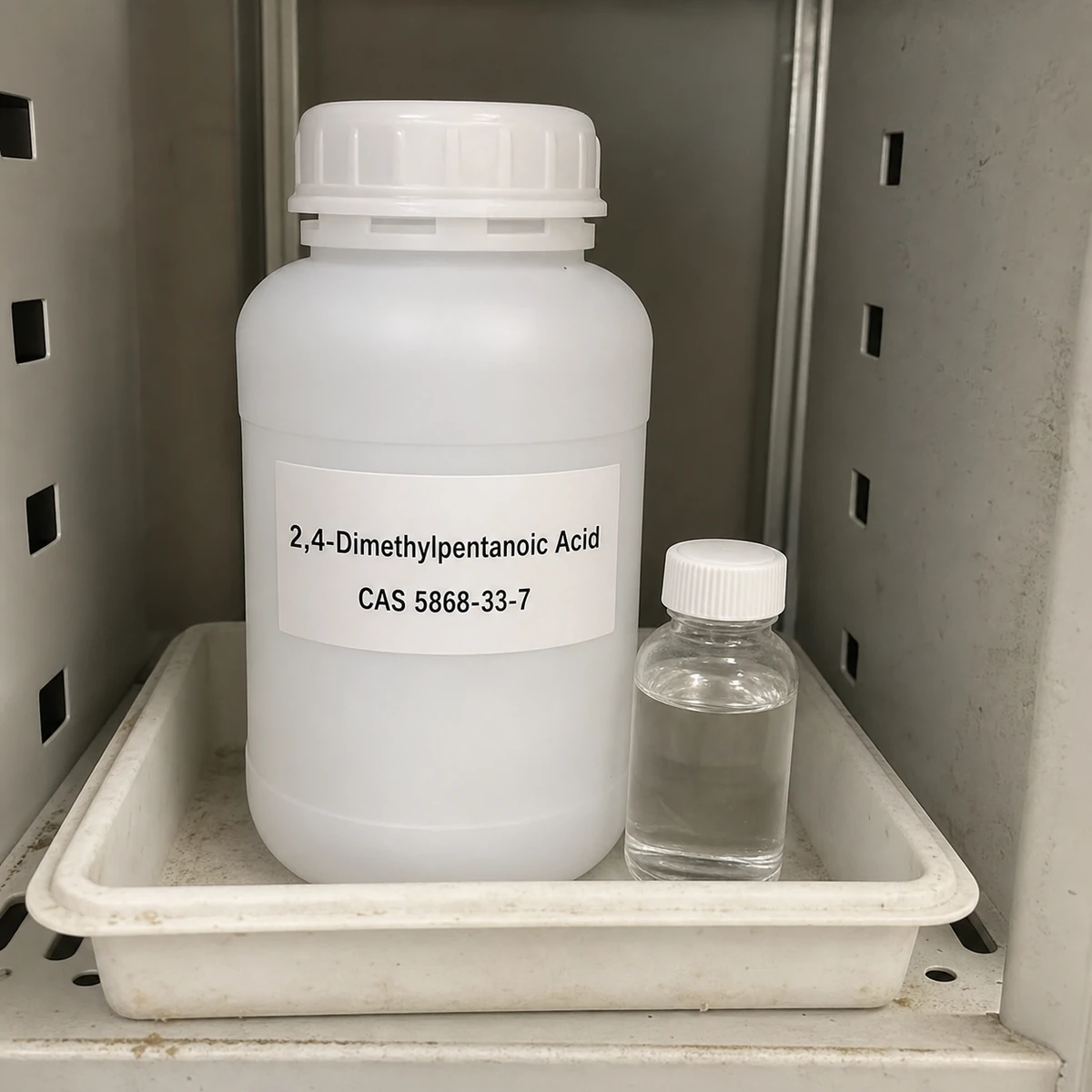
2,4-Dimethylpentanoic Acid CAS 6683-84-7

2,4-Dimethylpentanoic Acid is a branched-chain aliphatic carboxylic acid used as an organic synthesis intermediate, typically involved in esterification, amidation, and salt-formation reactions within controlled chemical processes. As a structurally defined C7 carboxylic acid (CAS 6683-84-7), it provides a substituted carbon framework suitable for downstream transformation in fine chemical and process chemistry applications where branched acids are required. Industrial availability includes competitive factory pricing, support for customized specifications, and complete documentation such as MSDS, TDS, COA, enabling reliable bulk supply for standardized industrial use.

  • CAS: 6683-84-7
  • Synonyms: 2,4-Dimethylpentanoic acid, 2,4-Dimethylvaleric acid
  • Einecs: 837-362-1
  • Molecular Formula: C₇H₁₄O₂
  • Grade: Industrial grade 99%
  • Package: 200kg iron drum or 50kg plastic drum packaging
Request a quote
Share:

Product Description

Physicochemical properties

PropertyValue
Molecular FormulaC₇H₁₄O₂
Molecular Weight130.18 g/mol
Density0.9 ± 0.1 g/cm³ (estimated)
Boiling Point210.9 ± 8.0 °C (760 mmHg) (estimated)
Flash Point94.5 ± 9.8 °C (estimated)
Refractive Index1.4078 (estimated)
Acidity Coefficient (pKa)4.82 ± 0.21 (Predicted)

Application Areas

Organic synthesis: can be used as an intermediate in organic synthesis and participate in various chemical reactions.
Spices and essence: Due to their special smell, they may be used in the perfume and essence industry.
Other applications: May be used as raw materials or intermediates in the fields of medicine, pesticides, etc.

Storage conditions

Container selection: Use corrosion-resistant sealed containers (such as glass, polyethylene, or metal containers lined with anti-corrosion coatings) to avoid direct contact with reactive metals (such as aluminum and zinc). Ensure that the container is well sealed to prevent volatilization and moisture absorption.
environmental condition
Temperature: Store in a cool, ventilated place, recommended temperature below 30 ° C (some suggest refrigeration at 2-8 ° C to extend stability).
Humidity: Keep dry and avoid contact with water vapor (which may cause corrosion or reaction).
Avoid light: Keep away from direct sunlight. It is recommended to use brown glass bottles or dark storage cabinets.
Isolation requirements: Separate from oxidants (such as peroxides, nitrates), strong bases, and reducing agents to avoid sharing storage areas.

Safety precautions

Personal Protection
Respiratory protection: Wear a respirator that prevents organic vapors when there is poor ventilation.
Skin protection: Wear chemical resistant gloves (such as nitrile rubber), protective clothing, and goggles.
Eye protection: Use chemical safety goggles or face shields.
Precautions for operation
Operate in a fume hood to avoid inhaling vapors or mist droplets.
Do not mix with strong oxidants (such as concentrated nitric acid) as it may cause violent reactions.
Emergency Management
Leakage treatment: Cover with inert adsorbent materials (such as sand and diatomaceous earth), collect in a dedicated container, and avoid entering the sewer.
Fire fighting: use dry powder, carbon dioxide or foam extinguishers, and do not spray directly with water (may spread the fire).

FAQ - Technical & Supply Chain

  • Q:

    Do 2,4-Dimethylpentanoic acid and 2,4-Dimethylvaleric acid refer to the same substance?

    A: Yes. These names describe the same molecular structure and correspond to the same CAS registration, indicating identical substance identity.
  • Q:

    Is 2,4-Dimethylpentanoic Acid mainly used as an industrial intermediate rather than a finished product?

    A: It is commonly used as an intermediate in organic and fine chemical synthesis, where branched-chain carboxylic acids are required for further chemical transformation.
Documents

Documents and Product Support

For product review and sourcing evaluation, supporting documents can be coordinated according to the product type, inquiry stage, and order requirements.

  • COA for batch-based quality reference
  • TDS for key physical and chemical information
  • SDS / MSDS for handling, storage, and safety reference
  • Packing information for sample, trial, and bulk orders
  • Technical communication based on application and specification requirements
Quotation

Information to Confirm Before Quotation

Clear sourcing information helps reduce specification mismatch and allows a more accurate quotation before sample or bulk order discussion.

  • Product name and CAS number
  • Application or intended end use
  • Required purity, grade, or specification
  • Sample quantity, trial order, or bulk demand
  • Preferred packing form or net weight
  • Destination country or port
  • Required documents or compliance expectations
Storage & Handling

Packaging, Storage, and Handling Notes

Packaging form, storage conditions, shelf life, and shipment arrangements should be confirmed according to the product characteristics, package size, and destination requirements.

Before order confirmation, buyers are advised to review the corresponding product documents and confirm whether any special storage, labeling, or handling requirements apply.

Supply Support

Sample, Bulk Order and Repeat Supply Support

Support can be arranged for sample discussion, bulk supply planning, packaging confirmation, and routine sourcing communication based on the actual product and order requirements.

For repeat-use formulations or long-term procurement plans, buyers may discuss specification consistency, packaging preferences, delivery expectations, and document coordination in advance.

Contact Form

Use our contact form to send us your questions, suggestions or comments. We will respond as soon as possible.