









• 1,1-Dichloro-3-methyl-2-butene CAS 627-38-3

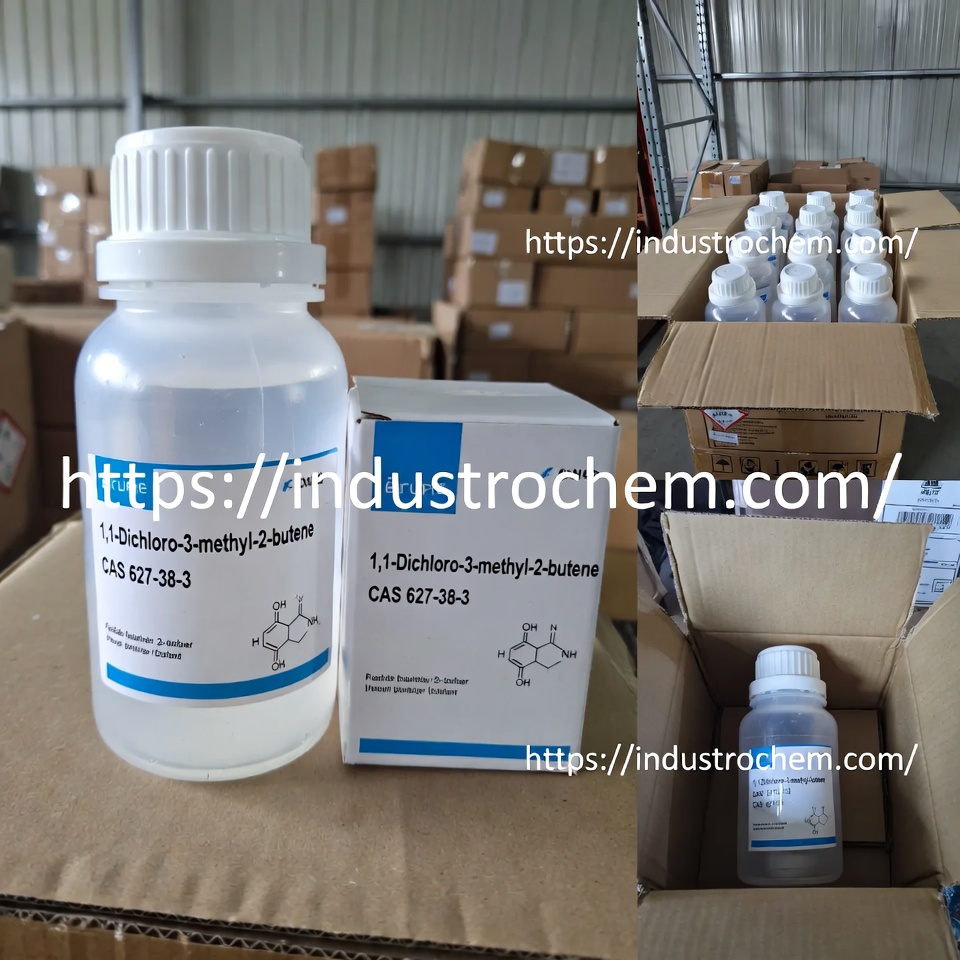
1,1-Dichloro-3-methyl-2-butene CAS 627-38-3

1,1-Dichloro-3-methyl-2-butene is a chlorinated aliphatic olefin supplied as an organic synthesis intermediate for fine chemical and process chemistry applications. Containing both a substituted alkene and geminal dichloro functionality (CAS 627-38-3), it is used in controlled reaction systems where halogenated olefins serve as reactive building blocks for further functionalization, substitution, or coupling processes. Industrial supply typically includes customized specifications and complete documentation such as MSDS, TDS, COA, supporting compliant bulk availability for regulated industrial use.

  • CAS: 627-38-3
  • Synonyms: 1,1-Dichloro-3-methyl-2-butene, Dichloromethylbutene, Chlorinated butene derivative, C5H8Cl2
  • Molecular Formula: C₅H₈Cl₂
  • Grade: Industrial grade 99%
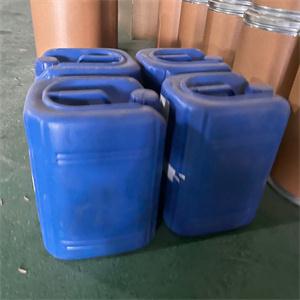
  • Package: 200kg iron drum or 50kg plastic drum packaging
Request a quote
Share:

Product Description

Physicochemical properties

PropertyDescription
Chemical FormulaC₅H₈Cl₂
Molecular Weight139.02 g/mol
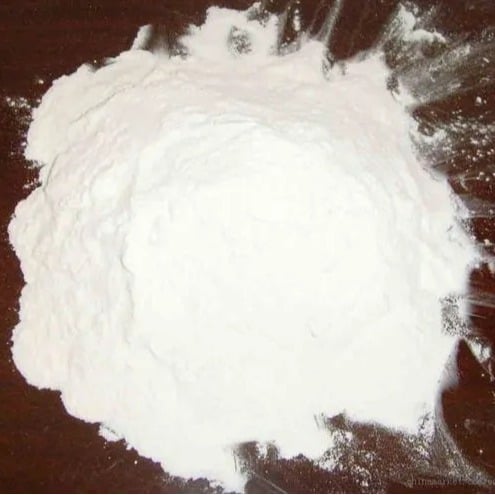
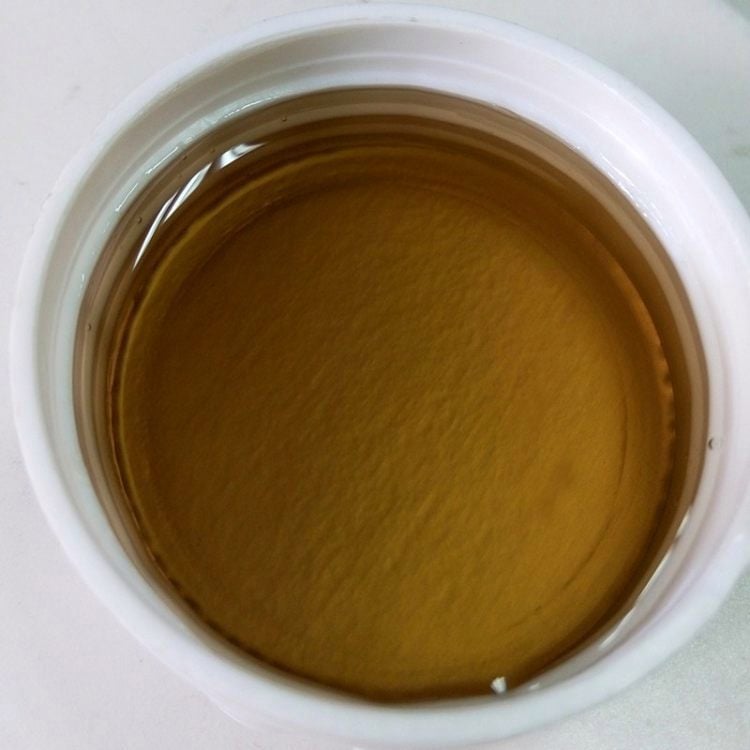
AppearanceLikely a colorless liquid (based on structural similarity to other chlorinated alkenes)
Boiling Point118-119 °C
Density1.0686 g/cm³
Refractive Index(Information not readily available, but typically measured at 20°C for such compounds)
SolubilityInsoluble in water; soluble in organic solvents such as ethanol, diethyl ether, and chloroform
Chemical StructureContains a double bond between carbon atoms 2 and 3, with two chlorine atoms attached to carbon atom 1 and a methyl group attached to carbon atom 3

Application Areas

Organic synthesis intermediates: commonly used for synthesizing other complex organic compounds, such as silane derivatives.
Chemical research: used to study the kinetics of ozone reaction and the reaction mechanism with reagents such as potassium iodide

Storage conditions

Temperature control: It is recommended to store in a low temperature environment of 2-8 ° C to avoid decomposition caused by high temperatures.
Stabilizer addition: Potassium carbonate (K ₂ CO ∝) needs to be added as a stabilizer to prevent decomposition.
Isolation measures: Keep away from oxidants, open flames, and heat sources, and store in a ventilated and dry place

Safety precautions

Toxicity protection: It belongs to the low toxicity category, but inhaling high concentration vapors may cause kidney damage. Self contained respirators should be worn during operation.
Leakage handling:
Minor leakage: Use sand or non combustible materials to adsorb and dispose of.
Large amount of leakage: build a dike to receive, and cover with foam to reduce vapor diffusion.
Fire fighting measures: use dry powder, carbon dioxide or foam to extinguish the fire and avoid splashing caused by direct water.

FAQ - Technical & Supply Chain

  • Q:

    Is 1,1-Dichloro-3-methyl-2-butene a single, well-defined substance?

    A: Yes. It is a distinct chlorinated olefin with a specific molecular structure and a single CAS registration.
  • Q:

    Is this compound mainly intended for use as an intermediate rather than a finished product?

    A: It is typically supplied as an intermediate for organic and fine chemical synthesis under controlled industrial conditions.
Documents

Documents and Product Support

For product review and sourcing evaluation, supporting documents can be coordinated according to the product type, inquiry stage, and order requirements.

  • COA for batch-based quality reference
  • TDS for key physical and chemical information
  • SDS / MSDS for handling, storage, and safety reference
  • Packing information for sample, trial, and bulk orders
  • Technical communication based on application and specification requirements
Quotation

Information to Confirm Before Quotation

Clear sourcing information helps reduce specification mismatch and allows a more accurate quotation before sample or bulk order discussion.

  • Product name and CAS number
  • Application or intended end use
  • Required purity, grade, or specification
  • Sample quantity, trial order, or bulk demand
  • Preferred packing form or net weight
  • Destination country or port
  • Required documents or compliance expectations
Storage & Handling

Packaging, Storage, and Handling Notes

Packaging form, storage conditions, shelf life, and shipment arrangements should be confirmed according to the product characteristics, package size, and destination requirements.

Before order confirmation, buyers are advised to review the corresponding product documents and confirm whether any special storage, labeling, or handling requirements apply.

Supply Support

Sample, Bulk Order and Repeat Supply Support

Support can be arranged for sample discussion, bulk supply planning, packaging confirmation, and routine sourcing communication based on the actual product and order requirements.

For repeat-use formulations or long-term procurement plans, buyers may discuss specification consistency, packaging preferences, delivery expectations, and document coordination in advance.

Contact Form

Use our contact form to send us your questions, suggestions or comments. We will respond as soon as possible.