








1-Bromo-2-methylbutane, also known as 2-Methylbutyl Bromide, is a branched alkyl bromide used as an organic intermediate in chemical synthesis. It is characterized by a primary carbon–bromine bond on a branched alkyl chain, enabling participation in substitution or coupling reactions where controlled alkyl halide reactivity is required. 1-Bromo-2-methylbutane (CAS 104-63-2) is typically applied in organic synthesis intermediate production, serving as an alkylating building block within multi-step industrial chemical processes.
For industrial manufacturing requirements, this material is provided with competitive factory pricing, customized specifications, complete technical documentation including MSDS, TDS, COA, and support for bulk supply operations.
1-Bromo-2-methylbutane CAS 104-63-2
- CAS: 104-63-2
- Synonyms: 1-Bromo-2-methylbutane, 2-Methylbutyl bromide, Isoamyl bromide, Isopentyl bromide
- Einecs: 227-768-1
- Molecular Formula: C5H11Br
- Grade: Industrial grade 99%
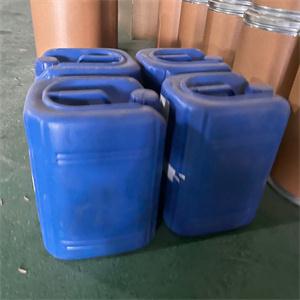
- Package: 200kg iron drum or 50kg plastic drum packaging
Product Description
Physical and chemical properties
| Property | Value |
|---|---|
| Chemical Formula | C5H11Br |
| Molecular Weight | 151.04 g/mol |
| Appearance | Colorless transparent liquid |
| Density | 1.212 g/cm³ (at 25 °C) |
| Boiling Point | 118.32 °C (at 760 mmHg) |
| Melting Point | -118.6 °C |
| Flash Point | 22.22 °C |
| Refractive Index | 1.424 (at 20 °C) |
| Solubility | Insoluble in water (data on other solvents not readily available) |
| Vapor Pressure | 20.0 ± 0.2 mmHg (at 25 °C) |
| LogP (Octanol-Water Partition Coefficient) | 2.42740 (estimated) |
| Stability | Stable under recommended storage conditions. Avoid contact with oxidizing agents. |
| Hazard Class | 3 (Flammable liquid) |
Application Areas
Organic synthesis: used as an alkylating reagent to introduce 2-methylbutyl groups.
Pharmaceutical intermediates: involved in the synthesis of drugs or bioactive molecules.
Materials science: the preparation of organic compounds or polymer materials with special functions.
Research purpose: Used in the laboratory for studying reaction mechanisms or developing new compounds
Storage conditions
Sealed and protected from light: Store in a brown glass bottle, away from light (bromide is prone to photolysis).
Dry and cool: Keep in a well ventilated and cool place, away from heat and fire sources. It is recommended to store at a temperature of 2-8 ° C.
Inert environment: Nitrogen can be filled for protection to reduce the risk of oxidation or decomposition.
Separate storage: Store separately from oxidants, strong bases, and active metals such as sodium and potassium.
Safety precautions
Personal protection: Wear chemical goggles, chemical resistant gloves (such as nitrile/chloroprene rubber), and lab coats.
Fire and explosion prevention: Flammable liquids, keep away from open flames and static electricity, use explosion-proof electrical equipment.
Emergency measures:
Skin contact: Immediately rinse with soapy water and plenty of water.
Eye contact: Rinse with physiological saline or clean water for at least 15 minutes and seek medical attention.
Inhalation: Transfer to fresh air. If breathing is difficult, oxygen should be administered.
Waste disposal: Dispose of in accordance with local regulations and do not discharge indiscriminately (which may pollute the environment).
FAQ - Technical & Supply Chain
-
Q:
Do 1-Bromo-2-methylbutane and 2-Methylbutyl Bromide refer to the same CAS number?
A: Yes. These names are alternative nomenclature forms used to describe the same chemical substance corresponding to CAS 104-63-2. -
Q:
Is 1-Bromo-2-methylbutane mainly used as an industrial intermediate?
A: It is commonly used as an intermediate in organic synthesis processes, where controlled alkyl halide reactivity is required within industrial reaction systems.
Documents and Product Support
For product review and sourcing evaluation, supporting documents can be coordinated according to the product type, inquiry stage, and order requirements.
- COA for batch-based quality reference
- TDS for key physical and chemical information
- SDS / MSDS for handling, storage, and safety reference
- Packing information for sample, trial, and bulk orders
- Technical communication based on application and specification requirements
Information to Confirm Before Quotation
Clear sourcing information helps reduce specification mismatch and allows a more accurate quotation before sample or bulk order discussion.
- Product name and CAS number
- Application or intended end use
- Required purity, grade, or specification
- Sample quantity, trial order, or bulk demand
- Preferred packing form or net weight
- Destination country or port
- Required documents or compliance expectations
Packaging, Storage, and Handling Notes
Packaging form, storage conditions, shelf life, and shipment arrangements should be confirmed according to the product characteristics, package size, and destination requirements.
Before order confirmation, buyers are advised to review the corresponding product documents and confirm whether any special storage, labeling, or handling requirements apply.
Sample, Bulk Order and Repeat Supply Support
Support can be arranged for sample discussion, bulk supply planning, packaging confirmation, and routine sourcing communication based on the actual product and order requirements.
For repeat-use formulations or long-term procurement plans, buyers may discuss specification consistency, packaging preferences, delivery expectations, and document coordination in advance.
Emulsifier-MPEG-350-CAS-9004-74-4-2.jpg)