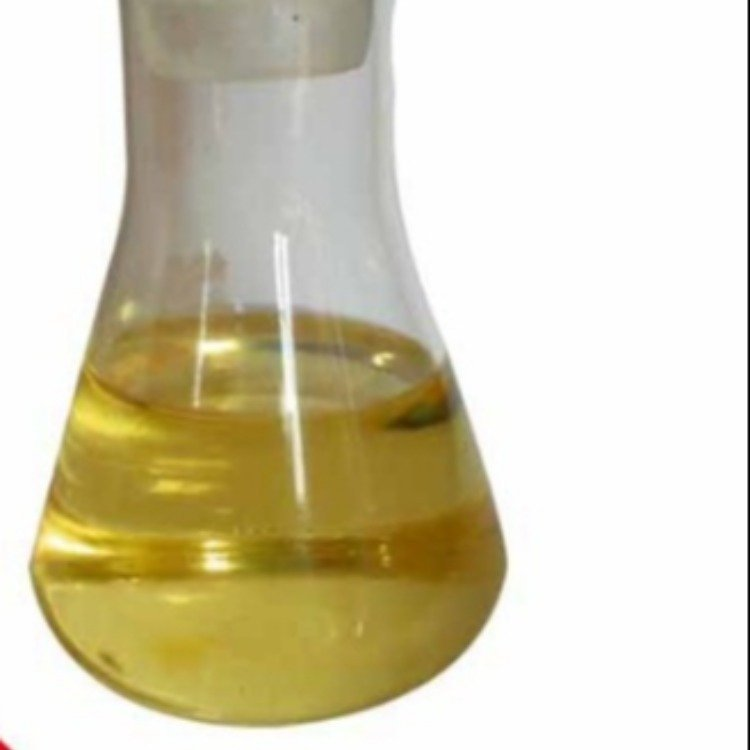
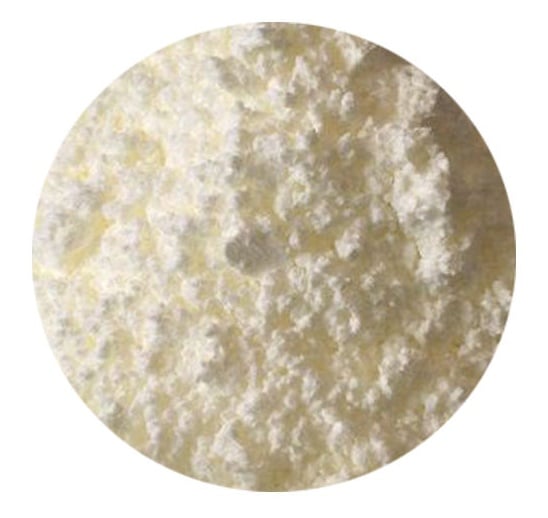
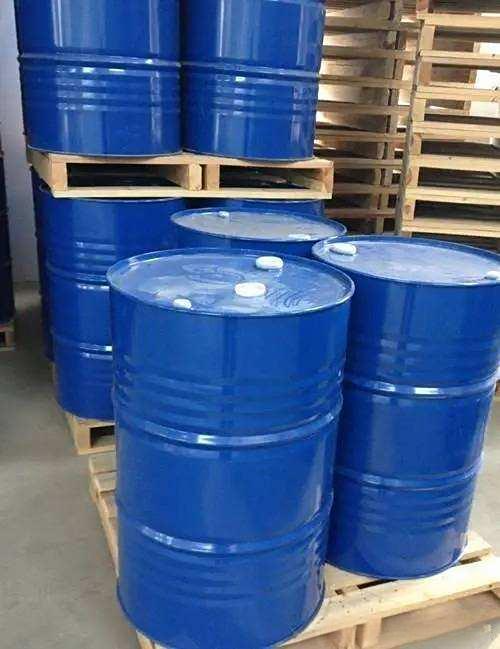
4-Aminobenzophenone is an aromatic ketone intermediate identified by CAS 1137-41-3. Confirm product-specific physical form, analytical limits, and intended synthesis requirements; this page does not establish a pharmaceutical-use claim.
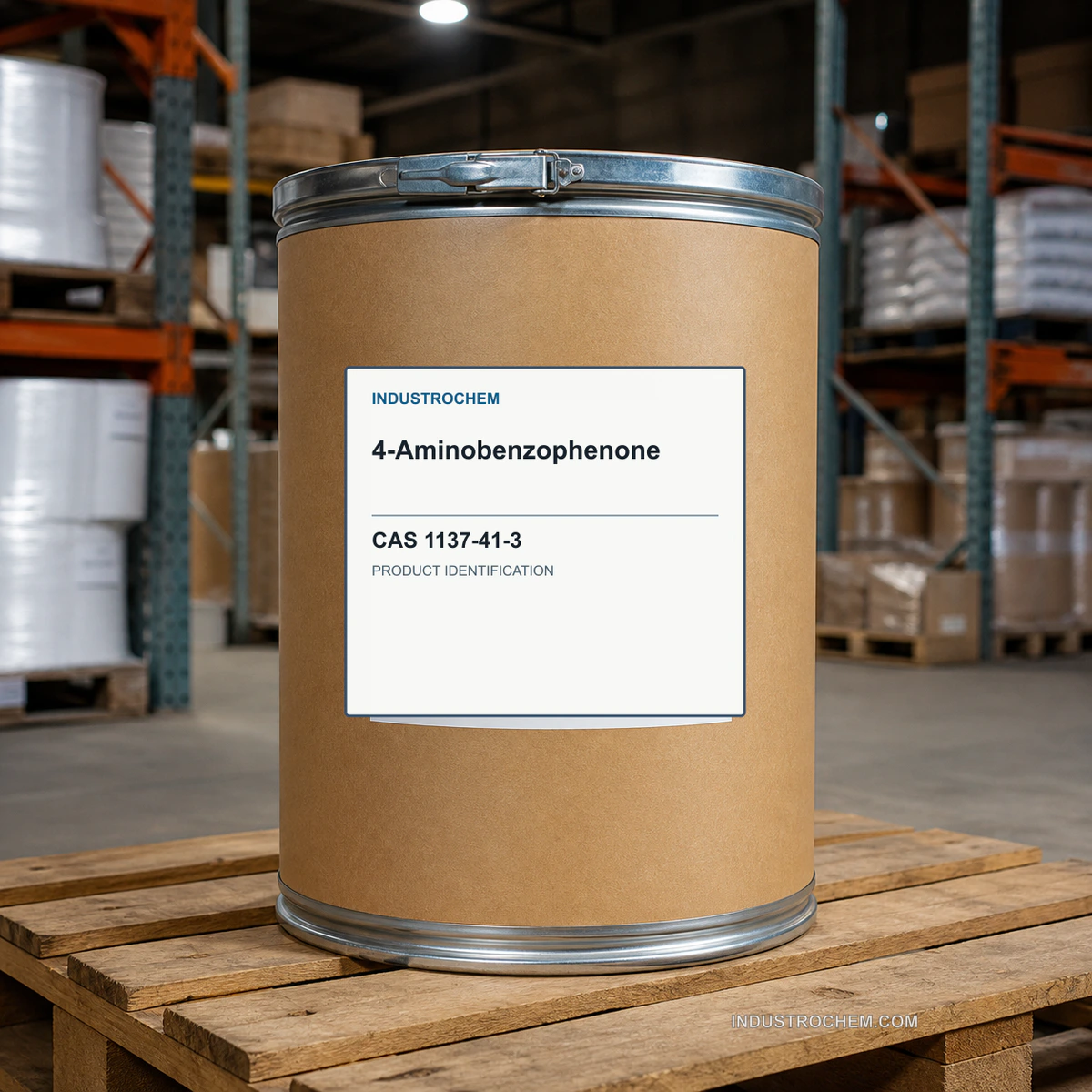
4-Aminobenzophenone CAS 1137-41-3
- CAS: 1137-41-3
- Synonyms: 4-Aminobenzophenone; p-Aminobenzophenone; (4-Aminophenyl)(phenyl)methanone
- Einecs: 214-506-6
- Molecular Formula: C₁₃H₁₁NO
- Grade: Confirm the current product-specific specification.
- Package: Confirm packaging with the requested quantity and destination requirements.
Product Description
4-Aminobenzophenone is an aromatic aminoketone identified by CAS 1137-41-3 and EC/EINECS 214-506-6.
Synonyms: 4-Aminobenzophenone; p-Aminobenzophenone; 4-Benzoylaniline; (4-Aminophenyl)(phenyl)methanone.
CAS: 1137-41-3.
Molecular formula: C₁₃H₁₁NO.
Molecular weight: 197.23 g/mol.
EC number: 214-506-6.
The amino and benzophenone groups make it a useful building block for further functionalization.
Confirm assay, color, moisture, related isomers, and the impurity limits required by the downstream route.
It is mainly evaluated as a pharmaceutical intermediate and a key starting material for Mebendazole, plus heterocycles such as 1,2,3-triazoles, benzothiazoles, and pyrimidinones.
Confirm the current product-specific specification.
Confirm packaging with the requested quantity and destination requirements.
Document requirements should be confirmed from the current specification, SDS, COA, or other product-specific files.
Regulated-use suitability must be confirmed separately with current product-specific documentation.
The page is an RFQ entry point and does not state stock, price, MOQ, or fixed lead time.
For an RFQ, state the intended use, required specification, quantity, packaging, destination, and document needs.
FAQ - Technical & Supply Chain
-
Q:
What is 4-Aminobenzophenone CAS 1137-41-3?
A: 4-Aminobenzophenone is an aromatic aminoketone identified by CAS 1137-41-3 and molecular formula C₁₃H₁₁NO. It is also called p-aminobenzophenone, 4-benzoylaniline, or (4-aminophenyl)(phenyl)methanone. The amino and benzophenone groups make it a useful building block for further functionalization. -
Q:
What is 4-Aminobenzophenone mainly used for?
A: It is primarily used as a pharmaceutical intermediate and is a key starting material for the broad-spectrum anthelmintic Mebendazole. It is also used to prepare heterocycles such as 1,2,3-triazoles, benzothiazoles, pyrimidinones, and related compounds. Other applications include dyes, polymers, specialty organic synthesis, and photochemical or nonlinear-optical research. -
Q:
What grades and typical properties should be confirmed?
A: Common catalog grades are around 98% or higher, often specified as a crystalline powder. Typical properties include a melting range near 121-124 °C, a boiling point around 246 °C at reduced pressure, and solubility in alcohol and ether with more limited cold-water solubility. Confirm assay, color, moisture, related isomers, and the impurity limits required by the downstream route. -
Q:
How should 4-Aminobenzophenone be stored and handled?
A: Store in tightly closed containers in a cool, dry, ventilated area away from heat, strong oxidizers, and incompatible materials. Protect from light where the supplied grade requires it. Avoid dust generation and use appropriate PPE when handling the solid at scale.
Ordering & Documentation
Key information for document requests, quotations, and supply planning.
Documents
Tell us which documents your procurement team needs. Before an order, we will check whether the quoted source can provide them for the offered lot.
Quotation
Send the CAS number, grade, quantity, packing preference and destination.
Sample & Supply
Ask whether samples, trial quantities or repeat orders are possible. We will check each request against the sourced product and current offer.
Storage & Shipping
Product-specific conditions are confirmed before order.